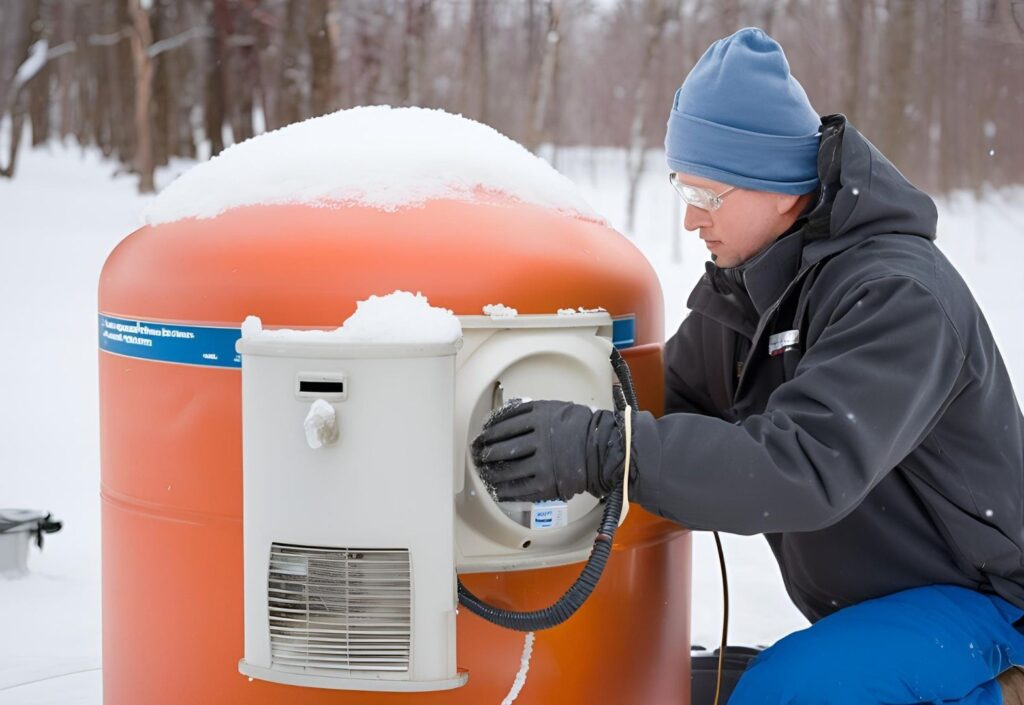
Have you ever wondered if liquid propane can freeze? As the chilly months approach, you might find yourself relying on propane to keep your home warm and cozy.
But what happens when temperatures drop dramatically? This question is more than just a scientific curiosity; it could have practical implications for your winter preparations. Understanding whether liquid propane can freeze is crucial for ensuring your heating system runs smoothly and efficiently.
We will demystify the freezing point of liquid propane and explain why it matters to you. Stick around, and you’ll learn how to keep your propane tank safe from the cold, ensuring your home stays warm and inviting all winter long.

Credit: centralpennpropane.com
Properties Of Liquid Propane
Understanding the properties of liquid propane is key to answering the question: does liquid propane freeze? Knowing how it behaves under different temperatures helps you use it safely and effectively. Let’s take a closer look at its physical traits and temperature limits.
Physical Characteristics
Liquid propane is a colorless, odorless gas at room temperature, but it turns into a liquid when compressed. You might know it as the fuel in your gas grill or heater.
It’s heavier than air, which means it can settle in low spots if it leaks. This makes proper ventilation critical when using propane indoors or in confined spaces.
Because it’s stored under pressure, propane stays liquid until released into normal atmospheric pressure, where it vaporizes quickly. This quick vaporization is why it’s so effective for heating and cooking.
Boiling And Freezing Points
Propane boils at around -42°C (-44°F). This means it changes from liquid to gas at very low temperatures, much colder than most winter conditions you’ll encounter.
Its freezing point is even lower, about -187.7°C (-305.9°F). To put that in perspective, propane would need to be exposed to extreme industrial cold to freeze.
Have you ever worried about propane freezing during a harsh winter? Chances are, the temperature would have to drop far below what’s naturally possible for freezing to occur.
This explains why propane remains liquid and reliable for heating even in cold climates. Its low freezing point ensures it won’t solidify under normal outdoor conditions.
Credit: westairgases.com
Can Propane Freeze?
Have you ever wondered if propane can freeze? It’s a common question, especially for those who rely on propane in cold climates. Understanding whether propane freezes helps you prepare and use it safely and effectively during harsh weather.
Freezing Temperature Of Propane
Propane freezes at a very low temperature: around -306°F (-188°C). This temperature is far below what most places experience, even in severe winter conditions.
Because it freezes at such an extreme cold, propane is unlikely to freeze under normal outdoor temperatures. Even during the coldest winter nights, propane remains in its liquid or gaseous state, ready for use.
Conditions Required For Freezing
For propane to freeze, the environment must reach temperatures below its freezing point of -306°F. This situation is rare outside specialized industrial or laboratory settings.
Propane in typical storage tanks is also kept under pressure, which lowers its freezing point even further. This pressure combined with the insulating effect of the tank makes propane freezing practically impossible in everyday use.
Have you ever experienced propane issues during winter? If so, it’s more likely due to other factors like regulator freezing or low pressure, rather than the propane itself freezing solid.
Effects Of Cold Weather On Propane
Cold weather affects many fuels, including propane. Understanding how propane reacts to low temperatures helps prevent problems. This knowledge ensures propane works safely and efficiently during winter months.
Performance In Low Temperatures
Propane remains a reliable fuel in cold conditions. It does not freeze like water. Instead, propane changes from liquid to gas at very low temperatures.
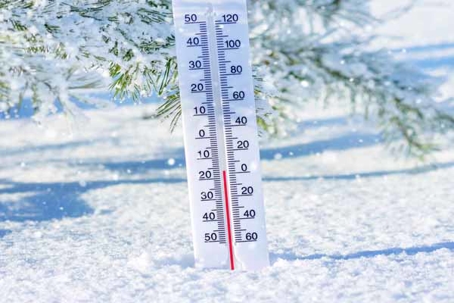
At around -44°F (-42°C), propane turns from liquid to gas. This is much colder than most winter weather. Propane tanks can still deliver fuel even in freezing weather.
Low temperatures can slow propane pressure. This may reduce heating power slightly. Proper tank maintenance and filling help keep performance strong.
Common Misconceptions
Many believe propane freezes in the cold. This is not true. Propane’s freezing point is far below typical winter temperatures.
Some think propane tanks stop working in winter. Tanks may lose pressure, but propane still vaporizes. The key is keeping tanks full and protected from extreme cold.
Ice or frost on tanks might cause concern. This happens due to moisture, not propane freezing. Wiping off frost helps avoid issues.
Safety Tips For Using Propane In Winter
Using propane safely in winter is important. Cold weather can affect how propane works and how you store it. Following safety tips helps prevent accidents and keeps your home warm and safe.
Storage Precautions
Store propane tanks outside in a well-ventilated area. Keep them upright and away from heat sources. Avoid storing tanks in basements or closed spaces. Check tanks for damage or rust before use. Keep tanks clear of snow and ice buildup. Use covers designed for propane tanks to protect them from weather. Never store propane indoors or near flames.
Handling Frozen Or Cold Propane
Propane can get very cold but it does not freeze like water. Cold propane may cause low pressure in your system. Do not try to thaw tanks with open flames or heat sources. Use warm water or let the tank warm naturally. Wear gloves to protect your hands from cold metal. Inspect hoses and connections for cracks or leaks after cold exposure. Always turn off the propane supply before handling tanks.
Alternatives And Solutions
Finding ways to keep propane working in cold weather is important. Liquid propane can become less effective as temperatures drop. This section covers some alternatives and solutions to prevent freezing or performance issues during winter.
Propane Additives
Propane additives help improve fuel flow in cold conditions. These chemicals lower the freezing point and stop propane from thickening.
Additives are mixed directly with propane before use. They keep lines clear and engines running smoothly. Using additives reduces the chance of blockages caused by frost or ice.
Many suppliers offer propane with built-in additives. They are safe to use and do not change how propane burns.
Other Fuel Options For Cold Climates
Some fuels work better than propane in freezing weather. Consider these alternatives for colder regions:
- Natural Gas:Stays in gas form at very low temperatures.
- Butane-Propane Mix:Butane alone freezes easily, but mixing it with propane helps.
- Diesel Fuel:Often used for heating and vehicles in cold zones.
- Kerosene:Burns well in cold and is easy to store.
Choosing the right fuel depends on availability and equipment compatibility. Some fuels need special tanks or burners.
Credit: www.townsendtotalenergy.com
Frequently Asked Questions
Does Liquid Propane Freeze In Cold Temperatures?
Liquid propane freezes at around -44°F (-42°C). Typical outdoor temperatures rarely reach this point, so propane usually remains liquid. It’s designed to work efficiently even in very cold weather without freezing.
What Happens If Propane Freezes In The Tank?
If propane freezes, it turns solid and cannot vaporize for use. This stops gas flow and equipment operation. However, freezing is extremely rare due to propane’s low freezing point.
Can Propane Tanks Freeze During Winter?
Propane tanks rarely freeze because the fuel stays liquid at very low temperatures. Proper tank maintenance and ventilation help prevent freezing even in harsh winters.
How To Prevent Propane From Freezing?
Keep tanks insulated and stored in a temperature-controlled area. Avoid overfilling and ensure proper ventilation. These steps help maintain propane’s liquid state and prevent freezing.
Conclusion
Liquid propane does not freeze under normal conditions. It turns into gas at very low temperatures. This makes it safe for use in cold weather. You can store and use propane without worry about freezing. Knowing this helps you handle propane better.
Always store propane tanks properly for safety. Understanding propane’s properties keeps your home and devices running smoothly. Remember, cold weather won’t stop propane from working. It remains a reliable fuel choice year-round. Keep these facts in mind for safe propane use.