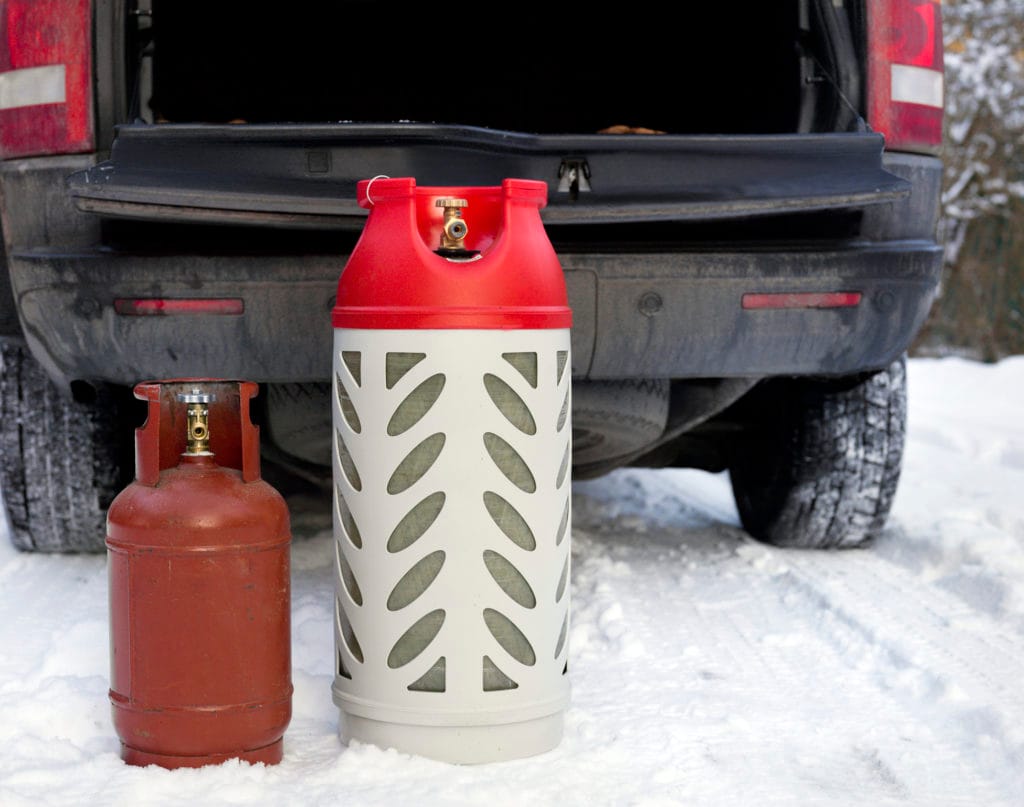
Have you ever wondered if LP gas, the fuel that powers your barbecue grill and keeps your home warm, can actually freeze? The thought might not cross your mind often, but understanding this could be crucial, especially when temperatures drop.
Imagine planning a winter gathering, only to discover your grill won’t light because your LP gas has frozen. It’s a frustrating scenario, isn’t it? The good news is, by the end of this article, you’ll have a clear understanding of whether LP gas can freeze and how it affects you.
Stay with us as we dive into the fascinating world of LP gas and unravel the myths and facts about its freezing point. Your winter gatherings might depend on it!
What Is Lp Gas
LP gas, also known as liquefied petroleum gas, is a flammable mixture of hydrocarbon gases. It is stored in liquid form under pressure and turns into gas when released. LP gas is widely used for heating, cooking, and fuel because it burns cleanly and efficiently. Its portability and energy density make it a popular energy source in homes and industries.
Types Of Lp Gas
- Propane:The most common type of LP gas. Used for heating, cooking, and vehicles.
- Butane:Often used in portable stoves, lighters, and small appliances.
- Mixed LP Gas:A blend of propane and butane for specific climate needs.
Common Uses
- Heating homes and water in rural or off-grid areas.
- Fuel for cooking in grills, stoves, and ovens.
- Powering forklifts and other industrial machines.
- Camping and outdoor activities for portable heating and cooking.
- Fuel for vehicles designed to run on LP gas.
Credit: www.townsendtotalenergy.com
Freezing Point Of Lp Gas
Understanding the freezing point of LP gas is key to safely storing and using it, especially in colder climates. Many people wonder if LP gas can freeze like water. The truth is, LP gas behaves differently due to its chemical properties and storage conditions.
Temperature Ranges
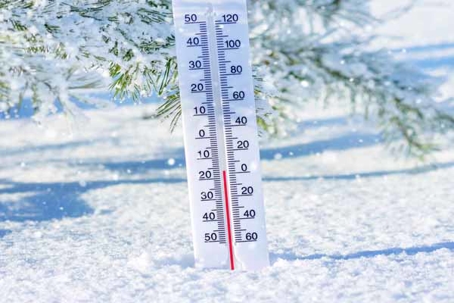
LP gas, mainly propane and butane, has a very low freezing point compared to water. Propane freezes at around -306°F (-188°C), while butane freezes near -138°F (-94°C). These temperatures are far below what you typically encounter outdoors, even in the coldest winters.
Because of these extremely low freezing points, you won’t see LP gas turn solid or freeze under normal weather conditions. However, temperatures can affect the pressure inside LP gas tanks, which might impact performance.
Factors Affecting Freezing
While pure LP gas rarely freezes, impurities or moisture inside the tank can cause ice to form. Moisture can build up if tanks aren’t sealed properly or if the gas is exposed to humid air. This ice buildup can block valves or regulators, causing operational issues.
Another factor is the mixture of gases. LP gas is often a blend of propane and butane, and the exact ratio can shift the freezing point slightly. Storage pressure and tank insulation also influence how the gas reacts in cold temperatures.
Have you ever noticed your gas appliance acting up during a cold snap? It might not be the gas freezing but pressure drops caused by temperature changes. Knowing these details helps you troubleshoot and maintain your LP gas system more effectively.
Can Lp Gas Actually Freeze
Can LP gas actually freeze? This question puzzles many people, especially those living in cold climates. LP gas, or liquefied petroleum gas, is a fuel used for heating, cooking, and more. Understanding its behavior in low temperatures helps prevent worries about its safety and reliability.
Myths Vs Reality
Many believe LP gas freezes like water. This is not true. LP gas is stored under pressure as a liquid. It changes to gas when released into the air. Freezing means turning solid at low temperatures. LP gas solidifies at extremely low temperatures, far colder than most outdoor conditions.
Some myths say LP gas tanks crack or become unusable in winter. Actually, tanks are made to handle cold weather. They do not freeze or break easily. Gas pressure may drop slightly in cold weather, but the gas remains usable.
Scientific Evidence
LP gas is mainly propane and butane. Their freezing points are much lower than normal winter temperatures.
| Gas Type | Freezing Point |
|---|---|
| Propane | -187.7 °C (-305.9 °F) |
| Butane | -138.3 °C (-216.9 °F) |
These values prove LP gas stays liquid at normal cold temperatures. It requires extreme cold, much colder than natural weather, to freeze.
Scientific tests confirm LP gas tanks operate safely in winter. Pressure inside tanks changes with temperature but does not cause freezing. Proper tank maintenance ensures smooth gas flow during cold months.

Credit: bensdeals.com
Effects Of Cold Weather On Lp Gas
Cold weather can have a surprising impact on the behavior and usability of LP gas. Although many assume LP gas freezes in the cold, the reality is more nuanced. Understanding how low temperatures affect LP gas can help you maintain its performance and stay safe during chilly months.
Performance Issues
LP gas does not freeze like water, but extremely cold temperatures can reduce its pressure inside the tank. Lower pressure means your appliances might not work as efficiently or may fail to ignite. If you’ve ever noticed your outdoor heater struggling on a cold night, this pressure drop could be why.
Here are some practical tips to avoid performance problems:
- Keep your tank insulated or in a sheltered area to maintain temperature.
- Check for frost buildup around valves which can restrict gas flow.
- Consider using a larger tank if you live in very cold climates to ensure adequate pressure.
Safety Concerns
Low temperatures can also raise safety risks with LP gas. When pressure drops, appliances might produce incomplete combustion, creating dangerous carbon monoxide. This invisible threat is why proper ventilation is crucial when using LP gas indoors during winter.
Another concern is the potential for leaks caused by brittle materials in cold weather. Regularly inspect hoses and connections for cracks or wear, especially after freezing temperatures. Have you checked your equipment’s condition lately? Small issues can become big hazards when cold sets in.
Preventing Lp Gas Freezing Problems
Preventing LP gas freezing problems is important for safety and efficiency. LP gas can freeze under very cold conditions, causing supply issues or damage. Taking steps to avoid freezing keeps your gas flowing smoothly. Proper storage and regular maintenance play key roles in prevention.
Storage Tips
- Store LP gas tanks in a dry, sheltered place.
- Avoid direct contact with snow or ice.
- Keep tanks upright to allow proper pressure balance.
- Use insulated covers to protect tanks from extreme cold.
- Place tanks away from drafts or strong winds.
- Keep tanks off the ground using pallets or stands.
Maintenance Practices
- Check tanks regularly for signs of frost or ice buildup.
- Inspect valves and regulators for proper function.
- Replace worn or damaged seals to prevent leaks.
- Drain moisture from the system to avoid freezing inside lines.
- Schedule professional inspections before winter months.
- Keep the gas supply at recommended pressure levels.
Credit: bryansfuel.on.ca
Emergency Measures For Frozen Lp Gas
Frozen LP gas can cause serious problems. It can stop your appliances from working. Knowing emergency measures is important. Acting fast can prevent damage and keep you safe.
Signs Of Freezing
- Gas pressure drops suddenly without reason.
- Appliances fail to light or keep flame.
- Hissing sounds or unusual noises from the tank.
- Frost or ice build-up on the tank surface.
- Strong odor of gas near connections or valves.
Steps To Take
- Turn off all gas appliances immediately.
- Check the area for gas leaks carefully.
- Do not try to heat the tank directly.
- Move the tank to a warmer, ventilated place if safe.
- Contact your gas supplier or emergency services for help.
- Use warm (not hot) water to gently warm frozen valves.
- Never use open flames or electrical heaters near the tank.
Frequently Asked Questions
Can Lp Gas Freeze In Cold Temperatures?
LP gas freezes at around -44°F (-42°C), which is much colder than typical weather. So, it rarely freezes under normal conditions.
What Happens If Lp Gas Gets Too Cold?
If LP gas becomes too cold, it may not vaporize properly. This can cause pressure drops and affect appliance performance.
How To Prevent Lp Gas From Freezing?
To prevent freezing, keep LP gas tanks insulated or stored in temperature-controlled areas. Avoid exposure to extreme cold.
Does Freezing Affect Lp Gas Safety?
Freezing does not affect LP gas safety directly. However, poor vaporization can lead to appliance malfunctions and potential hazards.
Conclusion
LP gas does not freeze under normal cold weather conditions. It stays liquid until temperatures drop extremely low. This makes it reliable for heating and cooking in winter. Still, proper storage and handling keep it safe and efficient. Knowing this helps you use LP gas without worry.
Simple care ensures it works well, even in cold weather. Keep your tanks secure and check them regularly. Safe use means comfort and peace of mind all season long.