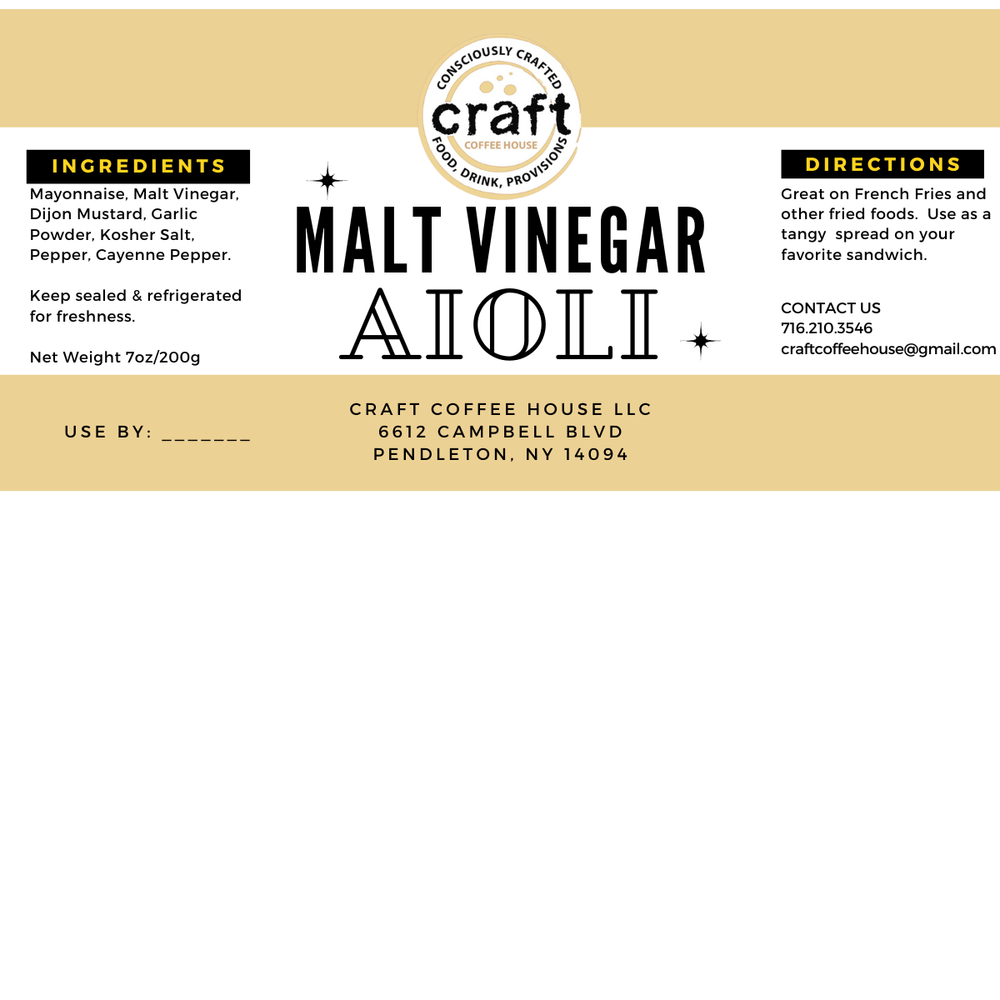
Have you ever found yourself staring at a bottle of malt vinegar in your pantry, wondering if it should be kept in the fridge instead? You’re not alone.
This common kitchen staple often raises questions about proper storage. Ensuring that your malt vinegar stays fresh and flavorful can make a difference in your culinary creations. But do you really need to refrigerate it, or is it just taking up unnecessary space in your fridge?
We’ll dive into the science and the myths, unraveling the mystery to help you make the best decision for your kitchen. Stay tuned to discover the truth about malt vinegar storage and how it can impact your cooking experience.

Credit: business.walmart.com
Shelf Life Of Malt Vinegar
The shelf life of malt vinegar is an important factor for its quality and safety. Malt vinegar is made from malted barley and has a strong acidic nature. This acidity helps preserve the vinegar for a long time. Proper storage affects how long malt vinegar stays good for use. Understanding the typical expiration period and signs of spoilage helps avoid using bad vinegar.
Typical Expiration Period
Malt vinegar usually lasts a long time due to its acidity. Unopened bottles can stay fresh for about 3 to 5 years. After opening, it is best to use malt vinegar within 1 to 2 years. Storing it in a cool, dark place helps maintain its quality. Avoid direct sunlight and heat to prevent flavor loss. Refrigeration is not necessary but can extend freshness slightly.
Signs Of Spoilage
Look for changes in color, smell, and texture to spot spoilage. Malt vinegar should have a clear, brownish color. Cloudiness or sediment may appear but often is harmless. A sour or off smell different from the usual sharp vinegar scent is a warning. Mold or unusual floating particles mean the vinegar should be discarded. Taste a small amount if unsure; a strange or off flavor signals spoilage.

Credit: medium.tastyble.com
Storage Conditions
Proper storage of malt vinegar helps keep its flavor and quality intact. Understanding the right conditions preserves its acidity and freshness. Malt vinegar does not spoil easily but stores best under specific conditions.
Ideal Temperature
Malt vinegar stays stable at room temperature. The best range is between 60°F and 75°F (15°C to 24°C). Avoid extreme heat or cold, which can change its taste. Refrigeration is not necessary but can extend shelf life slightly.
Light Exposure Effects
Light can break down malt vinegar over time. Store it in a dark place or inside a cupboard. Avoid direct sunlight to maintain its color and flavor. Dark glass bottles help protect vinegar from light damage.
Humidity Considerations
High humidity may affect the vinegar’s label and cap but not the vinegar inside. Keep the bottle sealed tightly to prevent moisture from entering. Store malt vinegar in a dry area to avoid rust on metal caps.
Refrigeration Benefits
Refrigerating malt vinegar can offer several benefits that go beyond just keeping it cold. While malt vinegar is naturally acidic and resists spoilage, storing it in the fridge can help you maintain its best qualities for longer. Let’s look at how refrigeration affects the flavor and overall quality of your malt vinegar.
Preserving Flavor
Keeping malt vinegar in the fridge helps preserve its sharp, tangy flavor. Over time, exposure to heat and light can dull the vinegar’s taste and aroma. If you’ve ever noticed a bottle of vinegar sitting out on the counter for months, you might have found its flavor less vibrant.
Refrigeration slows down this process, keeping every splash of malt vinegar fresh and flavorful. Think about how a cold bottle of soda tastes crisper than a warm one; the same principle applies here.
Maintaining Quality
Refrigeration also helps maintain the overall quality of malt vinegar by preventing any potential changes caused by temperature fluctuations. Although malt vinegar is acidic enough to resist bacterial growth, heat can cause subtle chemical changes that affect clarity and consistency.
By storing it in the fridge, you reduce the chance of sediment forming or the vinegar becoming cloudy. This is especially important if you use malt vinegar in delicate recipes where clarity and purity matter.
Credit: www.bigbasket.com
When Refrigeration Is Unnecessary
Not every bottle of malt vinegar demands a spot in your fridge. Knowing when refrigeration isn’t necessary can save you space and hassle in your kitchen. Let’s break down the situations where you can safely store malt vinegar at room temperature without worrying about spoilage or flavor loss.
Sealed Bottles
If your malt vinegar bottle is unopened and sealed, refrigeration isn’t needed. The vinegar’s natural acidity acts as a preservative, keeping it safe and stable on your pantry shelf. You can trust the sealed bottle to maintain its taste and quality for months without cooling.
Think about those times you’ve grabbed a vinegar bottle from the pantry and it tasted just right. That’s because the sealed environment shields it from air and contaminants. Just make sure the cap stays tightly closed after each use to keep it fresh longer.
Short-term Use
Using malt vinegar within a few weeks after opening means you don’t have to refrigerate it immediately. If you plan to finish the bottle quickly, storing it in a cool, dark place is enough. This approach keeps the vinegar convenient to reach and ready for your recipes.
Have you ever left vinegar out on the counter and wondered if it went bad? Chances are, if you use it regularly, the vinegar stays good without refrigeration. Just keep the bottle sealed and away from direct sunlight to protect its flavor and quality.
Alternative Storage Tips
Storing malt vinegar properly can extend its shelf life and maintain its flavor. While refrigeration is an option, there are other effective ways to keep your vinegar fresh without needing to chill it. These alternative storage tips focus on protecting the vinegar from light and air, which can cause it to deteriorate faster.
Using Dark Bottles
Light can break down the quality of malt vinegar over time. Using dark-colored bottles helps block harmful UV rays, preserving the vinegar’s taste and color. If your vinegar came in a clear bottle, consider transferring it to a dark glass container.
Many home cooks don’t realize that simple changes like this can make a big difference. Have you noticed how your vinegar changes when exposed to sunlight? Switching to a dark bottle might solve that problem.
Proper Sealing Techniques
Oxygen exposure can cause malt vinegar to lose its sharpness. Always make sure the bottle cap or lid is tightly sealed after each use. Using airtight lids or even sealing with plastic wrap under the cap can prevent air from sneaking in.
A friend once left her vinegar bottle loosely closed and found it tasted dull after a few weeks. It’s a small step that can save you from wasting good vinegar. Do you check your vinegar’s seal regularly?
Comparing Malt Vinegar With Other Vinegars
Malt vinegar is a popular choice in many kitchens. It has a unique flavor and is often used with fish and chips. Other vinegars like white, apple cider, and balsamic are common too. Each vinegar type has different storage needs and flavor profiles. Understanding these differences helps keep them fresh and tasty.
Storage Differences
Malt vinegar does not usually need refrigeration. It has natural preservatives from the malt and fermentation process. White vinegar also stays stable at room temperature. Apple cider vinegar can last long without fridge but may develop sediment. Balsamic vinegar should be kept in a cool, dark place but not necessarily refrigerated.
Keep all vinegars tightly sealed. Avoid direct sunlight and heat. These factors affect vinegar quality faster than temperature alone.
Flavor Stability
Malt vinegar keeps its sharp, tangy taste for months outside the fridge. Its flavor remains strong because of the malt base. White vinegar has a clean, sharp taste that does not change much over time. Apple cider vinegar may become cloudy but the flavor stays fine. Balsamic vinegar’s sweet and complex flavor can improve with age if stored properly.
Refrigeration is not needed to keep vinegar flavors stable. Proper storage away from heat and light is more important.
Common Mistakes To Avoid
Knowing how to handle malt vinegar properly helps maintain its quality and flavor. Many people make simple mistakes that can spoil their vinegar or reduce its shelf life. Avoiding these errors keeps your vinegar fresh and ready for your favorite dishes.
Exposure To Heat
Heat can change the flavor and strength of malt vinegar. Storing it near the stove or in direct sunlight can cause it to lose its sharpness faster. Have you ever noticed your vinegar tasting dull after a few weeks? That’s often because of heat exposure.
Keep your bottle in a cool, dark place away from heat sources. Even if you don’t refrigerate it, avoiding warmth helps preserve its quality longer. Think about your pantry—does it get warm during cooking? If yes, find a cooler spot for your vinegar.
Using Contaminated Utensils
Double-dipping or using dirty spoons can introduce bacteria into your malt vinegar. This contamination might cause unwanted changes or spoilage over time. Have you ever seen mold or cloudiness in your vinegar? That’s often a sign of contamination.
Always use clean utensils when pouring or scooping malt vinegar. Avoid dipping directly from the bottle with a spoon that has touched food. Small habits like these protect your vinegar’s purity and keep it safe to use.
Frequently Asked Questions
Does Malt Vinegar Require Refrigeration After Opening?
No, malt vinegar does not require refrigeration after opening. It can be stored at room temperature in a cool, dark place. Properly sealed bottles maintain quality and flavor for a long time without refrigeration.
How Long Does Malt Vinegar Last Unrefrigerated?
Unrefrigerated malt vinegar can last for several years. Its high acidity prevents bacterial growth. Always check for changes in smell or appearance before use.
Can Malt Vinegar Spoil If Not Refrigerated?
Malt vinegar rarely spoils due to its acidic nature. However, exposure to air and light can degrade its quality. Store it tightly sealed in a dark cupboard to maintain freshness.
Is Refrigeration Better For Malt Vinegar Quality?
Refrigeration is not necessary but can help preserve flavor longer. Most people store malt vinegar at room temperature without issues. Keep it away from heat and direct sunlight for best results.
Conclusion
Malt vinegar stays fresh longer when stored properly. Keep it in a cool, dark place. Refrigeration is not always needed but can help. It slows down flavor changes and keeps quality. Always close the bottle tightly after use. This prevents air from spoiling the vinegar.
Use malt vinegar regularly for the best taste. Now you know how to store it right. Enjoy your meals with fresh malt vinegar every time.