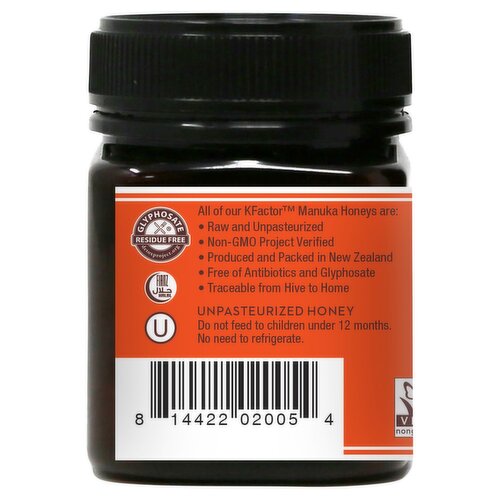
Are you wondering if your jar of Manuka honey needs to be kept in the fridge? You’re not alone.
Many people want to know the best way to store this special honey to keep it fresh and full of its natural benefits. The answer might surprise you and could save you from common mistakes that affect its taste and quality.
Keep reading to discover how to take care of your Manuka honey the right way, so you get the most out of every spoonful.
Manuka Honey Basics
Understanding the basics of Manuka honey helps you appreciate why it stands out and how best to store it. This special honey isn’t just sweet; it carries unique properties that many other honeys don’t have. Before deciding if it needs refrigeration, let’s look at what sets Manuka honey apart and how you can use it to its fullest potential.
What Makes Manuka Honey Unique
Manuka honey comes from the nectar of the Manuka bush, native to New Zealand. Its standout feature is the presence of methylglyoxal (MGO), a compound that gives it strong antibacterial qualities.
This honey is thicker and darker than regular honey, often with a slightly bitter taste. You might notice its texture changes over time, but this is normal and doesn’t mean it has gone bad.
Have you ever wondered why Manuka honey commands a higher price? The unique antibacterial properties and strict testing standards make it one of the most prized honeys worldwide.
Common Uses And Benefits
Many people use Manuka honey not just as a sweetener but as a natural remedy. It can soothe sore throats, help with minor skin wounds, and even support digestive health.
Adding a spoonful to your tea or spreading it on toast offers a tasty way to enjoy its benefits daily. Some use it in skincare routines to calm irritation or hydrate dry skin.
Do you use honey mainly for flavor, or have you tried it as part of your wellness routine? Exploring Manuka honey’s uses might inspire you to add it to your daily habits.
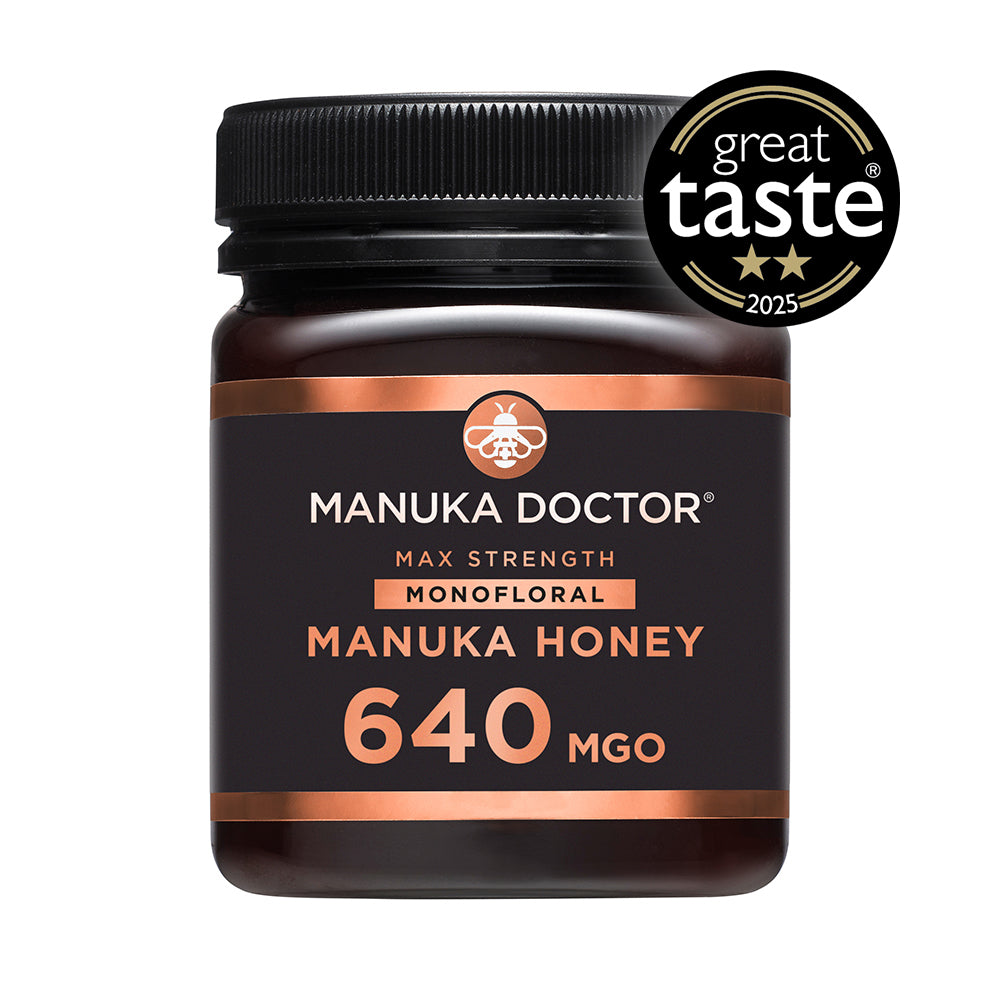
Credit: www.manukadoctor.co.uk
Storage Requirements
Proper storage of Manuka honey keeps its unique qualities intact. The right environment preserves its natural enzymes and flavor. Wrong conditions may cause changes in texture or taste. Understanding storage needs helps you enjoy Manuka honey at its best.
Ideal Temperature For Manuka Honey
Manuka honey stays best at room temperature. A range between 64°F and 75°F (18°C to 24°C) is perfect. Avoid places that get too hot or too cold. Keep it away from direct sunlight and heat sources. A dark cupboard or pantry works well.
Extreme temperatures can damage honey’s natural properties. Too warm causes fermentation or spoilage. Too cold makes honey hard and grainy. Storing at steady, moderate temperatures keeps honey smooth and fresh.
Effects Of Refrigeration On Quality
Refrigerating Manuka honey is not recommended. Cold temperatures make it crystallize faster. The honey becomes thick and less spreadable. Crystallization does not harm honey but changes texture.
Cold storage slows down natural enzymes in honey. These enzymes give Manuka honey its health benefits. Reduced enzyme activity means less potency over time. Room temperature storage helps maintain these enzymes better.
Seal the jar tightly to avoid moisture. Moisture can spoil honey regardless of temperature. Always use a clean, dry spoon to scoop honey.
Shelf Life Factors
Understanding the shelf life factors of Manuka honey helps keep it fresh and safe. Storage conditions, packaging, and natural properties affect how long it lasts. Proper care preserves its unique taste and health benefits.
How Long Does Manuka Honey Last
Manuka honey can last a very long time due to its natural preservatives. It often stays good for several years if stored correctly. Keep it in a cool, dry place away from sunlight. Avoid moisture and air exposure to prevent fermentation. Sealed jars maintain quality longer than opened ones.
Signs Of Spoilage To Watch For
Manuka honey rarely spoils but watch for these signs:
- Unpleasant sour smell
- Foam or bubbles on the surface
- Unusual color changes
- Off or fermented taste
These signs suggest the honey has absorbed moisture or contaminated. Discard if any appear to avoid health risks.
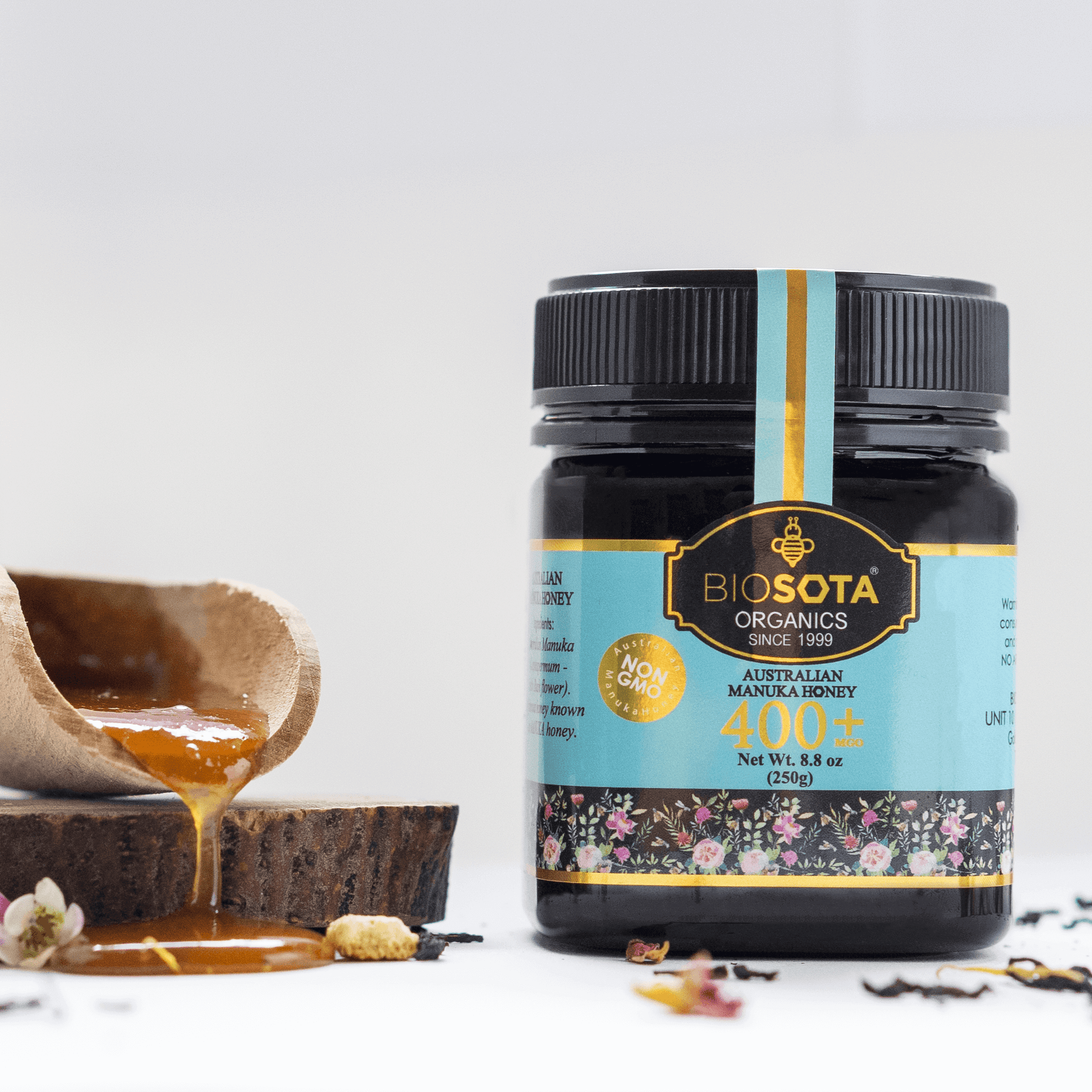
Credit: biosota.com.au
Expert Storage Tips
Storing Manuka honey properly can make a big difference in maintaining its unique flavor and health benefits. You don’t need to refrigerate it, but how you store it matters a lot. Small changes in storage can keep your honey fresh and potent for a long time.
Best Containers For Preservation
Choose containers that keep air out and won’t react with the honey. Glass jars are excellent because they don’t absorb odors or chemicals. Plastic containers are okay but make sure they are food-grade and airtight.
Many people store honey in the original jar, but transferring it to a smaller glass jar after opening can reduce air exposure. Think about how often you open the container—less opening means less chance for contamination.
Avoiding Moisture And Contaminants
Honey naturally resists bacteria, but moisture can spoil it quickly. Always use a dry spoon or utensil to scoop honey to avoid adding water. Even a small drop of water can cause fermentation and ruin the taste.
Store honey in a cool, dry place away from direct sunlight. Have you ever noticed a change in texture or taste? It’s often due to exposure to heat or humidity. Keeping honey away from these elements protects its quality.
Common Myths About Refrigeration
Many people believe Manuka honey must be refrigerated to stay fresh. These ideas come from common myths about honey storage. Understanding these myths helps you keep your Manuka honey in the best condition.
Does Refrigeration Extend Shelf Life
Manuka honey has natural preservatives that stop it from spoiling. It does not need cold storage to last long. Refrigeration does not make Manuka honey last longer. It can stay fresh at room temperature for years. The key is to keep it sealed and away from heat.
Impact On Taste And Texture
Cold temperatures can change Manuka honey’s texture. It may become thicker or cloudy in the fridge. This does not mean it is bad. Warming it gently brings back the smooth texture. The taste might also dull slightly when refrigerated. Room temperature keeps the natural flavor vibrant and smooth.
Credit: biosota.com.au
Frequently Asked Questions
Does Manuka Honey Need Refrigeration After Opening?
No, Manuka honey does not require refrigeration after opening. Store it in a cool, dry place away from direct sunlight to maintain its quality and natural properties.
How Should Manuka Honey Be Stored For Best Quality?
Keep Manuka honey in a sealed container at room temperature. Avoid heat and moisture to preserve its texture, flavor, and antibacterial benefits.
Will Refrigeration Affect Manuka Honey’s Texture Or Taste?
Refrigeration can cause Manuka honey to crystallize and thicken. This alters its texture but not its taste or health benefits. Room temperature storage is preferred.
How Long Does Manuka Honey Last Without Refrigeration?
Manuka honey can last for years without refrigeration due to its natural preservatives. Proper sealing and storage away from heat ensure its long shelf life.
Conclusion
Manuka honey doesn’t require refrigeration. Store it in a cool, dry place. This keeps its natural properties intact. Refrigeration can cause it to crystallize, affecting texture. A kitchen cupboard is perfect for storage. Keep it sealed to preserve freshness. Exposure to heat and light can degrade its quality.
Enjoy its benefits without worry. Proper storage ensures long-lasting use. Remember, no need for the fridge. Your honey will remain delicious and effective. Simple storage tips keep your Manuka honey ready to enjoy.