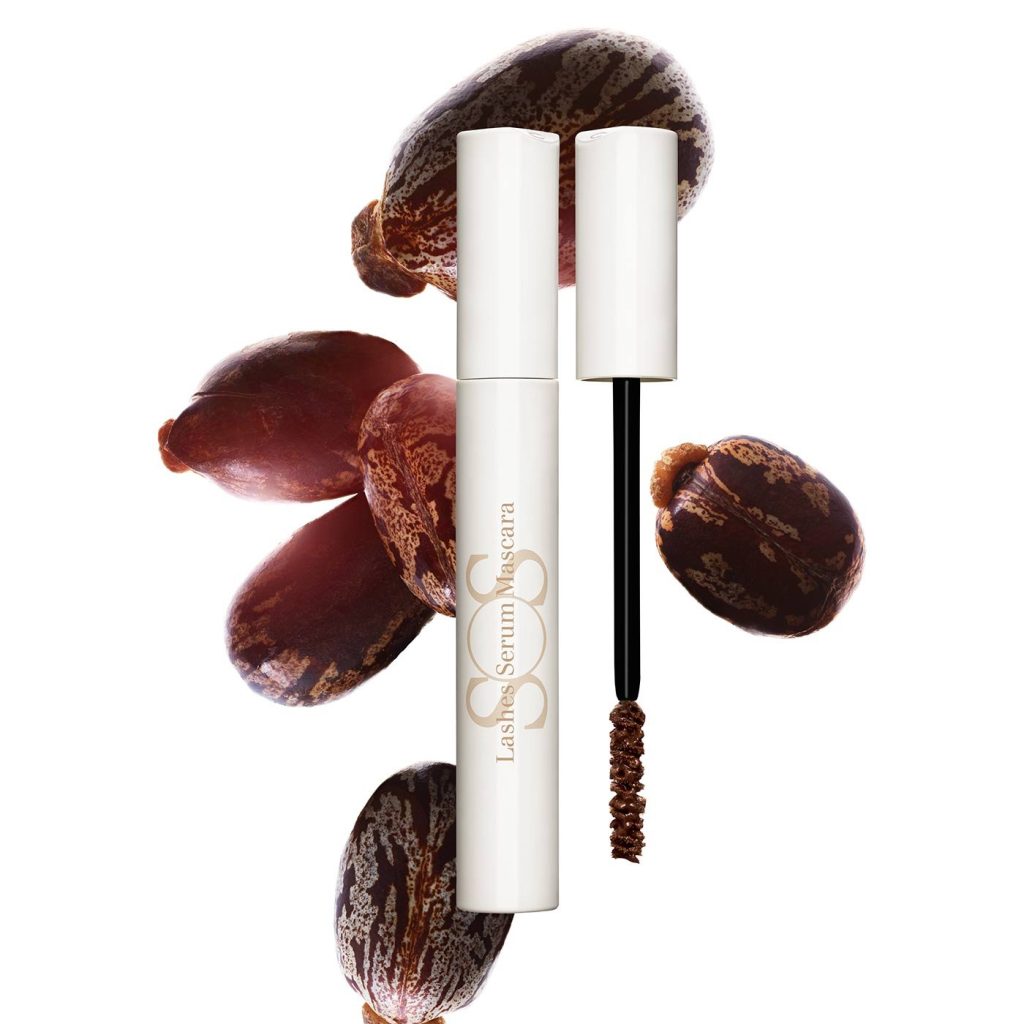
Have you ever wondered what happens if you accidentally leave your mascara in the cold? Does mascara really freeze, and if so, what does that mean for your favorite beauty product?
It’s a question that might have crossed your mind, especially during the chilly months. Understanding how temperature affects your mascara can save you from potential beauty blunders and wasted money. We’ll uncover the truth about mascara and freezing temperatures, revealing what you need to know to keep your lashes looking fabulous, no matter the weather.
Stick with us to ensure your mascara always delivers that perfect swipe you love.
Mascara And Freezing Temperatures
Mascara is a staple in many makeup bags, but have you ever wondered how freezing temperatures affect it? If you leave your mascara in a cold car overnight or during winter trips, you might worry about its quality. Understanding how cold impacts your mascara can help you keep your makeup fresh and effective.
How Cold Affects Mascara
Freezing temperatures can cause the liquid in mascara to thicken or separate. This change affects the smooth application you expect, making it clumpy or dry on your lashes. The formula’s delicate balance can break down, reducing its performance and lifespan.
Cold can also affect the brush and tube, making the product harder to work with. If you’ve ever tried using mascara right after it’s been in the freezer, you might notice it feels stiff or uneven. This happens because the ingredients don’t mix well once frozen and thawed.
Signs Mascara Has Frozen
How can you tell if your mascara has frozen? Look for these clear signs:
- Clumpy texture:The mascara may look thick and lumpy instead of smooth.
- Dry or flaky appearance:It might appear dry or even flake off when applied.
- Unusual smell:Freezing can sometimes change the scent, indicating formula breakdown.
- Difficulty applying:If your mascara drags or pulls on lashes, freezing could be the cause.
Have you ever opened a mascara after it’s been in the cold and noticed these issues? That’s a good sign you should replace it. Using frozen mascara can irritate your eyes or ruin your look, so it’s better to check before applying.
Credit: absolutenewyork.com
Risks Of Using Frozen Mascara
Using frozen mascara might seem like a quick fix to extend its life, but it comes with several risks you should consider. The changes that occur at low temperatures can affect more than just the product’s shelf life. Understanding these risks can help you decide whether freezing mascara is worth it or if it’s better to stick with fresh tubes.
Texture Changes
Freezing mascara often alters its texture, making it thicker or clumpy. This change can make the product harder to spread evenly on your lashes. Have you ever tried to apply mascara that feels sticky or uneven? That’s likely because freezing disrupted its smooth formula.
The thickened texture can cause the brush to pick up too much product, leading to messy application. You might end up with clumps instead of beautifully separated lashes. If you value a natural look, this texture change can be a real setback.
Impact On Application
Frozen mascara doesn’t glide on the way it should. You might notice it dragging or patching, which makes applying it frustrating. If your mascara takes longer to dry or flakes off easily, freezing could be the culprit.
Application problems can also mean you use more product to get the desired look. This not only wastes your mascara but can also lead to uneven lashes that don’t hold their curl well. Have you ever struggled with mascara that just won’t cooperate? Frozen mascara often causes these issues.
Potential Eye Irritation
When mascara freezes and then thaws, its chemical composition may change, increasing the risk of irritation. Using a product with altered ingredients near your eyes can cause redness, itching, or even allergic reactions.
Imagine applying mascara only to feel your eyes sting or water shortly afterward. That discomfort might be a sign that your mascara’s safety was compromised by freezing. Protecting your eye health means avoiding any product that feels off or causes irritation.
Safe Ways To Thaw Mascara
Mascara that has frozen can become clumpy or lose its smooth texture. Thawing it carefully helps keep its quality safe for use. Quick or harsh methods can damage the formula inside. Proper thawing restores mascara without affecting its performance or safety.
Room Temperature Thawing
Place the mascara tube on a clean surface at room temperature. Let it sit for several hours or overnight. This slow process helps the product return to its original state gently. Avoid opening the tube during this time to prevent contamination. Check the consistency before using it again to ensure smooth application.
Avoiding Heat Damage
Do not use a microwave or hot water to thaw mascara. High heat can change the formula and cause clumping or drying. Avoid direct sunlight or heaters as well. Keep the mascara away from extreme temperature changes. These precautions help maintain the mascara’s texture and safety for your eyes.
Preventing Mascara From Freezing
Mascara can freeze in cold weather and lose its smooth texture. Freezing may ruin the formula and make application difficult. Preventing mascara from freezing helps keep it fresh and easy to use. Follow simple tips to protect your mascara during cold months.
Proper Storage Tips
- Keep mascara at room temperature, between 60°F and 75°F.
- Avoid placing mascara near windows or cold drafts.
- Store mascara in a makeup bag or drawer inside your home.
- Close the mascara cap tightly to prevent air exposure.
- Do not leave mascara in the car during winter.
Travel Precautions
- Carry mascara in your handbag, not in the trunk or outside pockets.
- Use insulated makeup cases for extra protection against cold.
- Avoid exposing mascara to sudden temperature changes during flights.
- Keep mascara in a warm place before and after travel.
- Replace mascara regularly to avoid using old, weak formulas.
Choosing Mascara For Cold Climates
Choosing mascara for cold climates means thinking beyond just color and volume. The freezing temperatures can change the texture and performance of your mascara, sometimes turning it clumpy or unusable. It’s important to select products that can handle chilly weather without compromising your look.
Formulas That Resist Freezing
Look for mascaras labeled as waterproof or long-wear; these often have thicker formulas that resist freezing. Gel-based mascaras with silicone ingredients tend to stay smooth in low temperatures. Avoid water-heavy formulas since they’re more likely to freeze and flake.
Some brands add special polymers that keep the mascara flexible even in the cold. Ask yourself: have you ever noticed your mascara getting stiff or crumbly after being outside? Choosing a formula designed to stay soft can save you from that frustration.
Brands Recommended For Winter
Brands like Maybelline Lash Sensational Waterproof and L’Oréal Voluminous Butterfly Waterproof are known for their cold-resistant qualities. Clinique’s High Impact Waterproof Mascara also performs well in freezing weather.
These mascaras maintain their smooth application and don’t freeze or clump even on the coldest days. If you live in a place where temperatures drop often, trying one of these can keep your lashes looking fresh and defined all day.

Credit: www.amazon.com
When To Replace Frozen Mascara
Knowing when to replace frozen mascara is crucial for maintaining eye health and achieving the best makeup results. Freezing can change the texture and performance of your mascara, but how do you tell if it’s still safe to use? Let’s look at key factors that will help you decide when it’s time to toss that frozen tube.
Shelf Life Considerations
Mascaras usually have a shelf life of about three to six months after opening. Freezing can shorten this lifespan by causing the formula to separate or dry out faster.
If your mascara has been frozen, watch for changes in consistency. A watery or clumpy texture means the product may be breaking down.
Remember, even if the mascara looks fine, bacteria can grow faster in a damaged formula. Using old or compromised mascara increases the risk of eye infections.
Signs You Need A New Tube
Ask yourself these questions to check if your frozen mascara is still good:
- Does the mascara smell different or unpleasant?
- Is the texture watery, thick, or crumbly instead of smooth?
- Are your eyes irritated or red after application?
- Does the brush clump or skip while applying?
If you answered yes to any of these, it’s time to replace your mascara. Using a fresh tube ensures your lashes look their best and protects your eyes.
Have you ever noticed your mascara acting strange after being left in a cold car overnight? That’s a sign it might have frozen and started breaking down. Don’t risk your eye health for a few more uses—swap it out for a fresh one and enjoy flawless lashes again.
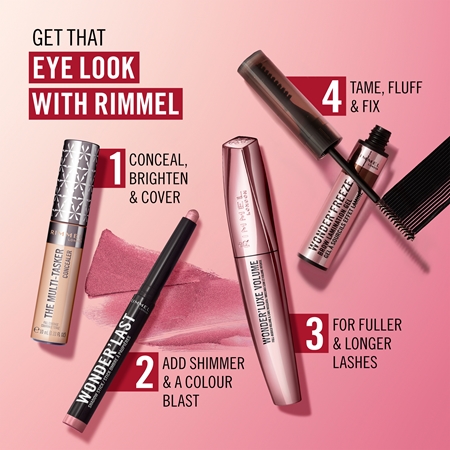
Credit: www.notino.ie
Frequently Asked Questions
Does Mascara Freeze In Cold Weather?
Yes, mascara can freeze if exposed to very low temperatures. Freezing affects its texture and performance, making it clumpy or dry.
How To Fix Frozen Mascara?
To fix frozen mascara, gently warm it at room temperature. Avoid using heat sources like microwaves, which can ruin the formula.
Can Freezing Mascara Ruin Its Quality?
Freezing mascara can change its consistency and reduce effectiveness. It may separate or dry out, leading to poor application and eye irritation.
Is It Safe To Use Frozen Mascara?
Using frozen mascara is not recommended. The texture may be altered, causing clumps and uneven application, which can irritate your eyes.
Conclusion
Mascara can freeze if kept in very cold places. Frozen mascara may change texture and become hard to use. It might not apply smoothly after freezing. To keep mascara fresh, store it in a cool, dry spot. Avoid leaving it in the freezer or outside in winter.
Using frozen mascara can harm your lashes or eyes. Always check mascara before use to ensure it feels normal. Taking simple care helps your mascara last longer and work better. Choose safe storage to enjoy smooth, clump-free lashes every day.