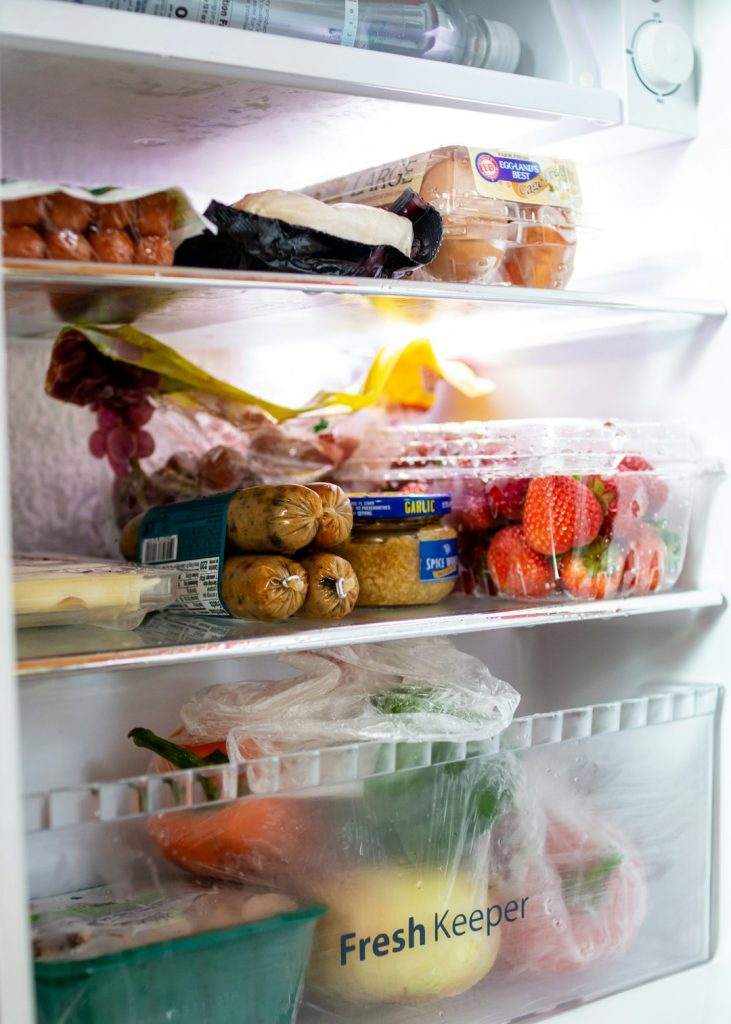
Have you ever found yourself standing in your kitchen, staring at a jar of miso, and wondering if it really needs to be refrigerated? You’re not alone.
Many people are unsure about the proper storage of this flavorful paste. It’s a common question that, if not addressed, could affect the taste and longevity of your miso. Keeping your miso fresh and tasty is easier than you think, and understanding how to store it properly can make all the difference.
We’ll uncover the simple truth about miso storage, ensuring you enjoy every spoonful to its fullest potential. Stay with us to find out how you can keep your miso fresh and flavorful for longer.
What Is Miso?
Miso is a traditional Japanese seasoning made by fermenting soybeans with salt and a fungus called koji. This process creates a thick paste packed with rich flavors and nutrients. Miso adds a savory, umami taste to many dishes.
It comes in different varieties, varying in color, taste, and fermentation time. Miso is popular in soups, marinades, and sauces, enhancing the taste of meals with its deep, complex flavor.
Types Of Miso
- White Miso (Shiro):Mild and sweet, fermented for a short time.
- Yellow Miso (Shinshu):Slightly stronger flavor, medium fermentation.
- Red Miso (Aka):Rich and salty, fermented longer for a robust taste.
Ingredients In Miso
- Soybeans
- Salt
- Koji (rice or barley mold)
- Water
How Miso Is Made
First, soybeans are cooked until soft. Then mixed with koji and salt. The mixture ferments for weeks or months. Fermentation develops the unique flavors and textures.
Shelf Life Without Refrigeration
Understanding how long miso can last without refrigeration is key to keeping it safe and flavorful. While miso is a fermented product known for its preservation qualities, its shelf life at room temperature varies depending on several factors. Let’s look closely at how storage conditions and miso types influence its stability outside the fridge.
Room Temperature Effects
Leaving miso at room temperature can cause changes in its taste and texture over time. The warmth encourages microbial activity, which might speed up fermentation or lead to spoilage.
Generally, unopened miso can last a few weeks on the counter, but once opened, its freshness declines faster. You might notice the flavor becoming stronger or the paste drying out. Have you ever tasted miso that seemed too sour or salty? That’s often a sign it’s past its prime without proper cooling.
Types Of Miso And Stability
Not all miso reacts the same way to room temperature. Lighter miso varieties, like white (shiro) miso, have a shorter shelf life outside the fridge because they contain less salt and have higher moisture content.
Darker miso, such as red (aka) or barley (mugi) miso, tends to be more stable due to higher salt levels and longer fermentation. These types can endure room temperature storage a bit longer but still benefit from refrigeration after opening.
- White Miso:Best consumed quickly if unrefrigerated; expect 1-2 weeks max.
- Red Miso:More forgiving; can last several weeks unopened at room temperature.
- Barley Miso:Similar to red miso in stability but watch for mold if exposed to air.
Knowing your miso type helps you decide how strictly you need to refrigerate it. If you want to keep your miso fresh longer, refrigeration is usually the safer bet.
Benefits Of Refrigerating Miso
Refrigerating miso offers several key benefits that can enhance your cooking experience and keep your miso fresh for longer. Storing miso in the fridge helps maintain its unique qualities, ensuring each batch you use tastes just as vibrant as the first. Let’s look at how refrigeration preserves the flavor and keeps spoilage at bay.
Preserving Flavor And Aroma
Miso’s rich flavor and aroma can diminish quickly if left at room temperature. Refrigeration slows down the natural fermentation process, helping to lock in the complex, savory notes that make miso special.
Think about the last time you tasted miso that was stored improperly—it might have lost its punch or developed an off smell. Keeping miso cold keeps those fresh, umami flavors intact so your soups and sauces taste their best every time.
Preventing Spoilage
Although miso is a fermented product with some natural resistance to spoilage, it’s not immune to mold and bacteria growth if exposed to warmth and air. Refrigeration creates an environment where harmful microorganisms struggle to grow, extending the shelf life of your miso.
Have you ever opened a miso container only to find discoloration or an unpleasant texture? That’s a sign it wasn’t stored properly. Keeping it in the fridge reduces this risk and saves you from wasting a good batch of miso.

Credit: www.eatwithcarmen.com
How To Store Miso Properly
Storing miso properly is key to maintaining its rich flavor and beneficial qualities. Improper storage can lead to spoilage or a change in taste that you definitely want to avoid. Let’s break down the best practices to keep your miso fresh and tasty for as long as possible.
Choosing The Right Container
Pick a container that keeps air and moisture out. Glass jars with tight-fitting lids work great because they don’t absorb odors or stains.
Avoid using metal containers since miso’s salt content can react with metal, altering the flavor. Plastic containers are okay, but make sure they are food-grade and airtight.
I once stored miso in a loosely closed plastic bag, and it developed a strange smell within days. That taught me the importance of a solid, sealed container.
Ideal Storage Conditions
Miso should be kept in a cool, dark place. Refrigeration is usually best to slow down fermentation and preserve freshness.
If you have a large batch, store a small portion in the fridge and keep the rest in the freezer for longer storage. Just be sure to thaw it slowly to maintain texture.
Ask yourself: Do you notice any change in smell or color when miso sits out too long? That’s your signal to refrigerate it immediately.
Signs Miso Has Gone Bad
Miso is a fermented paste that can last a long time if stored properly. Knowing when miso has gone bad helps avoid eating spoiled food. Signs of spoilage are usually easy to spot. These signs appear in the look, smell, and taste of miso.
Visual Changes
- Discoloration or dark spots on the surface.
- Unusual mold growth, especially fuzzy or greenish patches.
- Separation of liquid and solids beyond normal.
- Dry or cracked texture instead of smooth paste.
Smell And Taste Indicators
- A strong sour or rancid odor instead of the usual savory aroma.
- Bitter or off-putting taste rather than salty and umami.
- Any sharp or unpleasant smell that feels unnatural.
- Taste that causes discomfort or an unusual burning sensation.
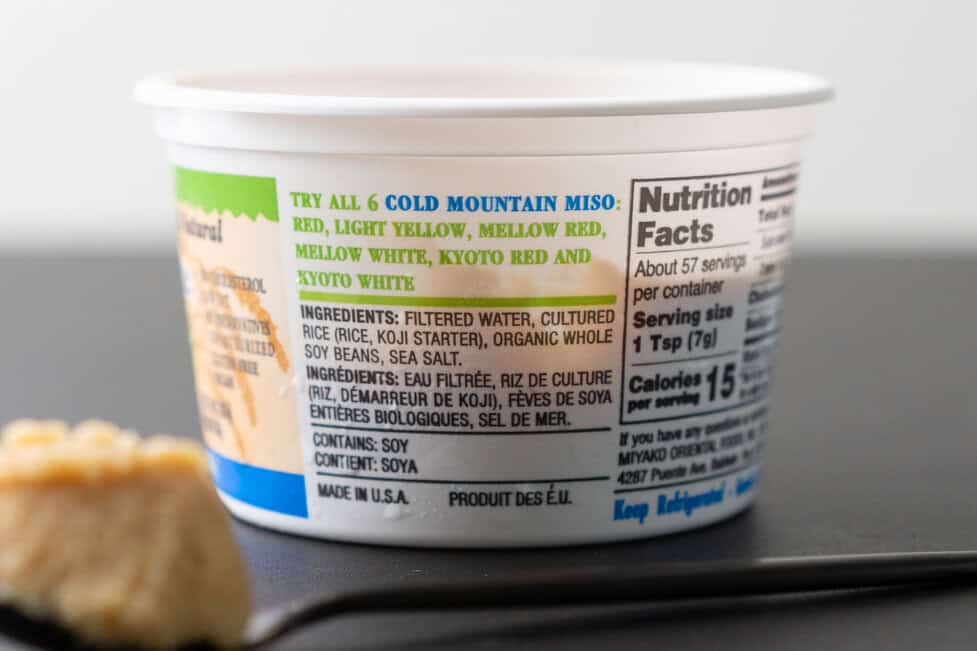
Credit: www.hungryhuy.com
Tips For Using Leftover Miso
Leftover miso is a valuable ingredient that should not go to waste. Proper use keeps its flavor fresh and enhances your meals. Simple tips help maintain its quality and safety. Explore creative ways to use leftover miso and safe handling practices.
Creative Recipes
Leftover miso adds a rich, salty flavor to many dishes. Mix it into soups for a tasty twist. Use it as a marinade for meats or tofu. Stir some into salad dressings for an umami boost. Blend miso with butter for a savory spread. Add it to roasted vegetables to deepen flavor.
Safe Handling Practices
- Store miso in an airtight container to prevent contamination.
- Keep it refrigerated to slow down spoilage and maintain freshness.
- Use a clean spoon to scoop miso and avoid introducing bacteria.
- Check for unusual smells or mold before use.
- Consume leftover miso within a few months for best taste.
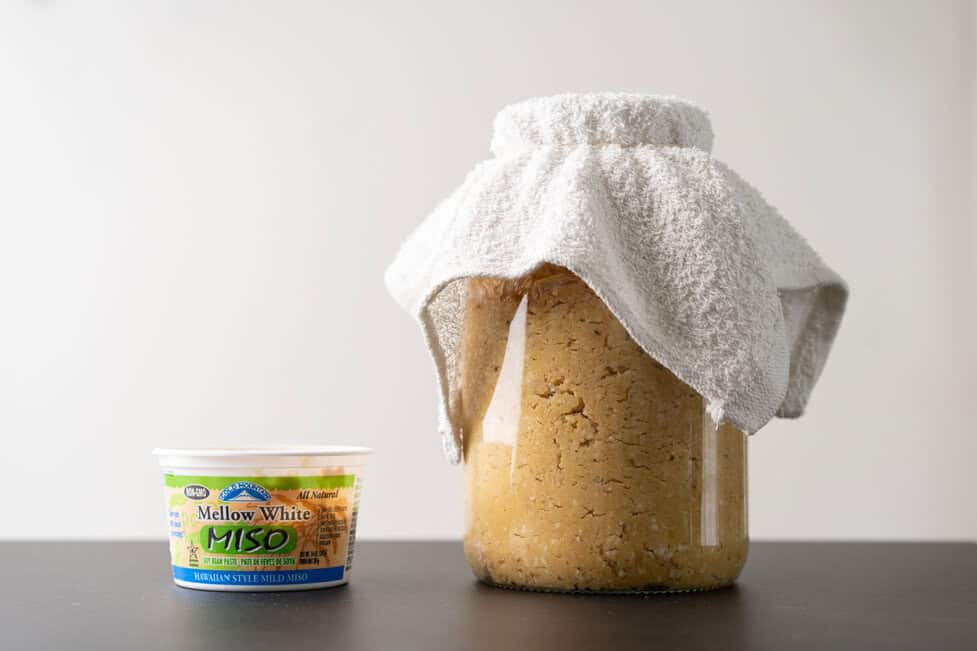
Credit: www.hungryhuy.com
Frequently Asked Questions
Does Miso Need Refrigeration After Opening?
Yes, miso should be refrigerated after opening to maintain its flavor and prevent spoilage. Keep it in an airtight container for best results.
How Long Can Miso Last Without Refrigeration?
Unopened miso can last several months unrefrigerated, but once opened, refrigeration is recommended to extend its shelf life for weeks.
Can Miso Spoil If Not Refrigerated?
Yes, miso can spoil if left unrefrigerated after opening, especially in warm environments, leading to off flavors and potential bacterial growth.
Is Refrigeration Necessary For All Types Of Miso?
Most miso types benefit from refrigeration after opening, though some high-salt varieties may last longer at room temperature briefly.
Conclusion
Miso lasts longer when kept in the refrigerator. It stays fresh and safe to eat this way. Leaving miso out can cause it to spoil faster. Always seal the container tightly to keep air out. Cold storage helps keep its flavor strong.
Using miso straight from the fridge is easy. Remember, proper storage means better taste and quality. So, store miso in the fridge for best results. Simple steps protect your miso and your meals.