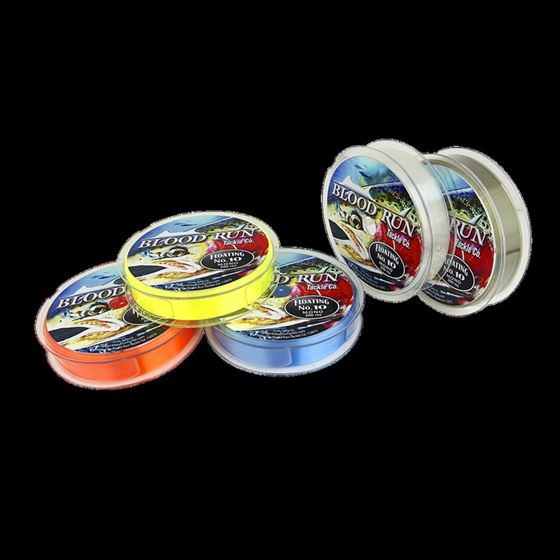
Have you ever wondered if your fishing line can float on water? Knowing whether monofilament fishing line floats or sinks can change how you fish—and improve your catch.
Imagine casting your line and seeing it stay right on the surface, making your bait more visible and attractive. You’ll discover the truth about monofilament fishing line’s buoyancy and how it affects your fishing game. Keep reading to learn tips that could make your next fishing trip more successful.
Monofilament Line Basics
Monofilament fishing line is popular among anglers. It is a single strand of material used for fishing.
This type of line offers flexibility and ease of use for many fishing styles.
Material And Composition
Monofilament line is made from a single fiber of nylon or other polymers. This makes it strong and stretchy.
- Nylon is the most common material
- Other polymers can add strength or durability
- The line is usually clear or lightly colored
- Its thickness varies depending on strength needed
Common Uses In Fishing
Monofilament line is good for many fishing situations. It works well in fresh and salt water.
| Fishing Type | Reason for Use |
| Freshwater | Good stretch and easy to handle |
| Saltwater | Resists abrasion from salt and rocks |
| Spinning reels | Works well with smooth casting |
| Baitcasting reels | Strong and less memory on spool |

Credit: www.franksgreatoutdoors.com
Buoyancy Of Monofilament Lines
Monofilament fishing lines are popular among anglers. Understanding their buoyancy helps in choosing the right line for fishing techniques.
This article explains how monofilament lines react in water and what affects their ability to float.
How Monofilament Reacts To Water
Monofilament lines are made from a single strand of nylon. Nylon is denser than water but also has some air trapped inside when new.
When first used, monofilament lines can float due to the air pockets inside the fibers. Over time, water seeps in and the line sinks slowly.
Factors Affecting Floatation
- Line Diameter:Thicker lines hold more air and float better.
- Water Absorption:Nylon absorbs water and becomes heavier.
- Wear and Tear:Old lines lose air pockets and sink.
- Water Type:Saltwater is denser, helping lines float more easily.
- Coatings:Some lines have coatings to improve floatation.
| Factor | Effect on Floatation |
|---|---|
| Line Diameter | Thicker lines float longer due to trapped air. |
| Water Absorption | Water makes the line heavier and causes sinking. |
| Wear and Tear | Old lines lose buoyancy and sink faster. |
| Water Type | Saltwater helps lines float better than freshwater. |
| Coatings | Special coatings improve line floatation. |
Monofilament Vs Other Lines
Monofilament fishing line is popular for many anglers. It floats on water and is easy to handle. Comparing it to other lines helps choose the right type for fishing.
This article looks at how monofilament compares to fluorocarbon and braided lines. Each line type has unique features.
Comparison With Fluorocarbon
Fluorocarbon line sinks in water and is nearly invisible under water. Monofilament floats and is more visible. Fluorocarbon resists abrasion better than monofilament.
- Monofilament floats, fluorocarbon sinks.
- Fluorocarbon has low visibility underwater.
- Monofilament stretches more than fluorocarbon.
- Fluorocarbon is more abrasion resistant.
- Monofilament is easier to knot and handle.
Comparison With Braided Line
Braided line does not float and is very strong. Monofilament floats and is less visible above water. Braided line has almost no stretch, while monofilament stretches a lot.
| Feature | Monofilament | Braided Line |
|---|---|---|
| Floatation | Floats on water | Sinks in water |
| Strength | Good strength | Very high strength |
| Stretch | High stretch | Almost no stretch |
| Visibility | More visible | Less visible |
| Handling | Easy to handle | Less flexible |

Credit: fishingsun.com
Practical Implications For Anglers
Monofilament fishing line is popular among anglers for many reasons. One question anglers often ask is if monofilament line floats. Knowing this helps anglers choose the right line for their fishing style.
Understanding the floatation of monofilament line impacts how you fish on the water surface. This knowledge helps improve your chances of catching fish.
Choosing The Right Line For Surface Fishing
Monofilament fishing line generally floats or stays near the surface. This makes it a good choice for surface fishing. It helps lures and baits stay on top of the water.
Other lines, like fluorocarbon, sink faster. Braided lines also sink but float when coated with certain materials. Pick a line that matches the type of fishing you want to do.
- Monofilament floats well for topwater lures.
- Fluorocarbon sinks fast, good for deep fishing.
- Braided line sinks unless treated to float.
- Choose based on lure type and fishing depth.
Techniques To Enhance Floatation
You can improve floatation by adding floatant to the monofilament line. This helps keep the line on the surface longer. It also reduces line drag in the water.
Using lighter lures and floats with monofilament line helps keep everything on top. Casting gently also prevents the line from sinking too deep.
- Apply line floatant to increase surface floatation.
- Use light lures or poppers for better float.
- Cast softly to avoid pulling line underwater.
- Check the line regularly and reapply floatant.
Common Misconceptions
Many people wonder if monofilament fishing line floats on water. There are some common misunderstandings about its behavior.
This guide explains what is true and what is not about monofilament line floating.
Myths About Monofilament Floating
Some anglers believe monofilament fishing line always floats on water. This is not completely true.
People often think monofilament floats like foam or cork, but it behaves differently depending on conditions.
- Myth: Monofilament line floats on every water surface.
- Myth: The line stays on top when wet.
- Myth: Monofilament is lighter than water.
Clarifying Line Behavior
Monofilament line is made from nylon, which can absorb water and become heavier. This affects whether it floats.
When first cast, dry monofilament may float briefly. After soaking, it sinks slowly because it absorbs water.
- Dry monofilament can float temporarily.
- Water absorption makes it sink over time.
- Thickness and color do not change floatability much.

Credit: www.prestoninnovations.com
Frequently Asked Questions
Does Monofilament Fishing Line Float On Water?
Monofilament fishing line is slightly buoyant, so it tends to float or stay near the water surface. Its low density helps it resist sinking quickly, making it suitable for topwater fishing techniques and surface lure presentations.
How Does Monofilament Line Compare To Fluorocarbon?
Monofilament floats better than fluorocarbon, which is denser and sinks faster. This makes monofilament ideal for surface fishing, while fluorocarbon suits deeper water fishing due to its low visibility underwater.
Can Monofilament Line Sink Over Time?
Yes, monofilament can absorb water and gradually sink with prolonged use. Exposure to water, dirt, and sunlight reduces its buoyancy, so anglers should replace old line to maintain optimal performance.
Why Choose Monofilament Line For Topwater Fishing?
Monofilament’s buoyancy keeps lures on the surface, attracting fish with realistic action. Its flexibility and stretch also help in setting hooks and preventing line breakage during aggressive strikes.
Conclusion
Monofilament fishing line can float on water for some time. It is lighter than water but can sink if weighted or wet. Anglers often use it for surface fishing because it stays near the top. Choosing the right line depends on your fishing needs.
Remember, understanding line behavior helps you catch more fish. Keep testing different lines to find what works best. Fishing becomes more fun with the right knowledge and tools.