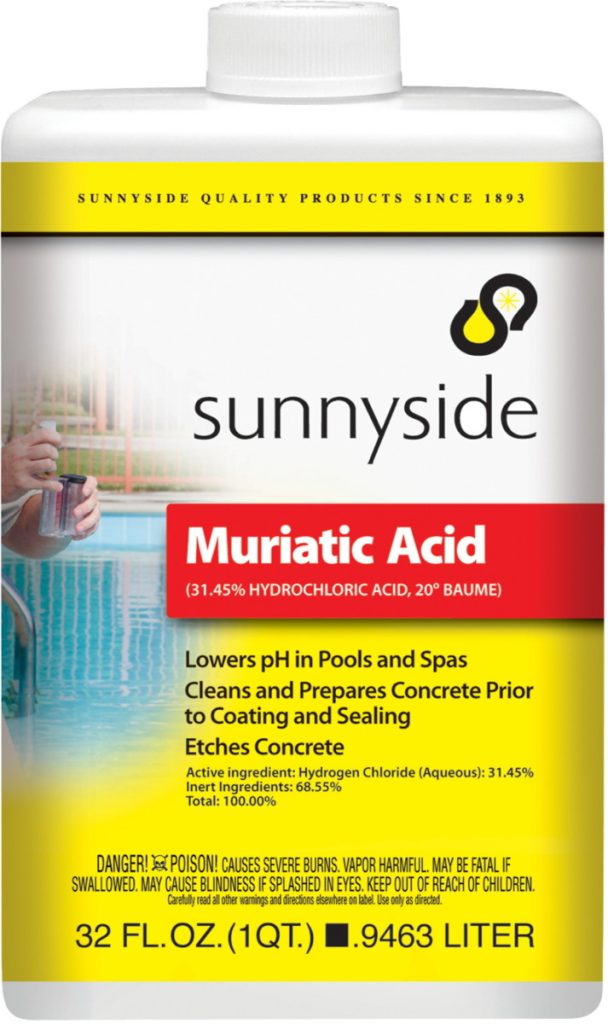
Have you ever wondered what happens to muriatic acid when temperatures plummet? If you’re dealing with this powerful chemical, understanding its behavior in extreme conditions is crucial.
Imagine waking up one frosty morning, ready to tackle a project, only to find your muriatic acid frozen solid. What would you do? Would you know how to handle it safely? We’re diving deep into the fascinating topic of whether muriatic acid can freeze.
We’ll unravel the science behind it and provide you with practical tips to ensure you’re always prepared. Whether you’re a seasoned DIY enthusiast or just someone curious about chemical reactions, this is the information you need. So, grab a warm drink and settle in—you’re about to discover everything you need to know about muriatic acid and freezing temperatures.

Credit: www.reddit.com
Muriatic Acid Basics
Muriatic acid is a strong and common chemical. It is widely used in cleaning and industrial tasks. Understanding its basics helps you handle it safely and effectively. This section explains what muriatic acid is made of and its common uses.
Chemical Composition
Muriatic acid is a diluted form of hydrochloric acid. Its chemical formula is HCl. It consists of hydrogen and chlorine atoms. This acid is highly corrosive and has a strong smell. It is usually sold as a liquid with a concentration of 20-38% HCl in water.
Common Uses
- Cleaning concrete and masonry surfaces
- Adjusting pH levels in swimming pools
- Removing rust and stains from metal
- Etching surfaces before painting or coating
- Industrial applications like metal processing
These uses require careful handling. Protective gear is important when working with muriatic acid. Understanding its properties helps prevent accidents and damage.

Credit: www.echemi.com
Freezing Point Of Muriatic Acid
Muriatic acid, a common name for hydrochloric acid, behaves differently from water at low temperatures. Its freezing point is much lower than pure water’s. Understanding this helps when storing or using muriatic acid in cold places. Knowing the freezing point can prevent damage and ensure safety during handling.
Temperature Thresholds
The freezing point of pure muriatic acid is around -27°C (-17°F). This is far below the freezing point of water, which is 0°C (32°F). Most commercial muriatic acid solutions are diluted. Their freezing points vary but remain below 0°C. For example, a 31% hydrochloric acid solution freezes near -20°C (-4°F). Concentration changes the exact temperature where freezing starts.
Factors Affecting Freezing
Several factors influence when muriatic acid freezes. Concentration is the main one. Higher acid concentration means a lower freezing point. Impurities and additives can also shift the freezing point. Temperature fluctuations and storage conditions affect freezing risks. Container type and insulation help maintain temperature stability. Proper storage avoids accidental freezing and maintains acid quality.
Storage Tips In Cold Weather
Storing muriatic acid properly during cold weather is crucial. Cold temperatures can affect the acid’s stability and container safety. Correct storage prevents spills, damage, and hazards. Follow these tips to keep muriatic acid safe and effective in freezing conditions.
Safe Container Choices
Choose containers made of materials that resist corrosion. High-density polyethylene (HDPE) containers work well. Avoid metal containers because acid can corrode them. Make sure the container has a tight, secure lid to stop leaks. Inspect containers for cracks or damage before use. Use only containers designed for strong acids.
Ideal Storage Conditions
Store muriatic acid in a cool, dry, and well-ventilated area. Keep it away from direct sunlight and heat sources. Avoid areas where temperatures drop below freezing point. If freezing is possible, use insulated storage or heat tape. Always place containers on shelves or pallets to avoid ground moisture. Clearly label the storage area for safety and quick identification.
Handling Frozen Muriatic Acid
Handling frozen muriatic acid requires care and attention. If you discover your muriatic acid has frozen, don’t rush to use it without proper thawing. The right approach prevents damage to the container and keeps you safe from hazardous splashes.
Thawing Procedures
Start by moving the frozen container to a warmer area, ideally indoors at room temperature. Avoid using direct heat sources like open flames or heaters, as muriatic acid is highly reactive and dangerous. Allow the acid to thaw slowly; this might take several hours but ensures safe handling.
If you need to speed up the process, place the sealed container in a basin of warm (not hot) water. Stirring the water gently can help maintain an even temperature. Check the container regularly to ensure no leaks or cracks appear as the acid thaws.
Safety Precautions
Always wear chemical-resistant gloves and eye protection when handling muriatic acid, frozen or not. The acid can cause severe burns, and frozen acid may crack the container, causing unexpected spills.
Work in a well-ventilated space to avoid inhaling fumes. If you notice any damage to the container during thawing, do not open it; instead, contact hazardous waste professionals for safe disposal. Have baking soda or a neutralizing agent nearby in case of accidental spills.
Have you ever underestimated the risks of handling chemicals in extreme conditions? Taking these precautions seriously protects you and your surroundings from preventable accidents.
Risks Of Freezing Muriatic Acid
Freezing muriatic acid can cause serious problems. This acid is strong and sensitive to temperature changes. Understanding the risks helps keep you safe and protects the acid’s quality.
Chemical Stability Issues
Muriatic acid can become unstable if frozen. The low temperature can change its chemical structure. This may reduce its effectiveness for cleaning or other uses.
Freezing can cause the acid to separate into layers. This makes it unsafe to use without proper mixing. The acid may also form crystals that damage containers.
Potential Hazards
Frozen muriatic acid can be dangerous to handle. The container might crack or leak as the acid expands. This can cause spills and skin burns.
Thawing frozen acid releases heat and fumes quickly. This sudden reaction can cause splashes. Breathing these fumes harms your lungs and eyes.
Always store muriatic acid in a cool, dry place above freezing. This prevents accidents and keeps the acid stable for longer use.
Preventing Damage From Freezing
Preventing damage from freezing is crucial when handling muriatic acid, especially in colder climates. While muriatic acid itself doesn’t freeze easily due to its chemical properties, improper storage can still lead to dangerous situations. Taking the right precautions can protect both your containers and your safety.
Protective Measures
Store muriatic acid in a cool, dry place away from direct exposure to freezing temperatures. Use insulated containers or wrap the acid container with thermal blankets to maintain a stable temperature. Keep the container tightly sealed to prevent moisture from entering, which could cause the acid to become more susceptible to freezing or corrosion.
Consider placing the acid container indoors or in a heated storage area during winter months. Label the storage area clearly to prevent accidental exposure or mishandling. You can also use a small heater or heat tape around the container to keep the temperature above freezing point.
Emergency Responses
If you suspect your muriatic acid has been exposed to freezing temperatures, avoid opening the container immediately. Sudden temperature changes can cause the acid to splash or release harmful fumes. Instead, move the container to a warmer area and allow it to return to room temperature gradually.
Wear protective gloves and goggles before handling the container to minimize risk. If you notice any cracks or leaks caused by freezing, do not use the acid and dispose of it safely according to local hazardous waste guidelines. Have a plan in place for quick cleanup to avoid skin or environmental contact.

Credit: www.echemi.com
Frequently Asked Questions
Does Muriatic Acid Freeze In Cold Temperatures?
Muriatic acid has a freezing point around -27°C (-16. 6°F). It rarely freezes under normal winter conditions. Proper storage is essential to prevent freezing in extremely cold climates.
What Happens If Muriatic Acid Freezes?
Freezing can cause the acid to expand and crack containers. It may reduce its effectiveness and cause safety hazards. Always store it in temperature-controlled environments.
How To Safely Store Muriatic Acid In Winter?
Store muriatic acid in a cool, dry place above its freezing point. Use insulated containers if temperatures drop below -27°C. Avoid exposure to direct sunlight and moisture.
Can Frozen Muriatic Acid Be Thawed Safely?
Yes, thaw frozen muriatic acid slowly at room temperature. Do not apply heat directly to avoid dangerous reactions. Always wear protective gear when handling thawed acid.
Conclusion
Muriatic acid has a very low freezing point. It stays liquid in most cold weather. Only extreme cold can freeze it. Always handle it with care and store it safely. Knowing its properties helps prevent accidents. Keep muriatic acid away from freezing conditions.
This simple step protects your work and safety. Understanding muriatic acid’s behavior saves time and effort. Stay informed, stay safe.