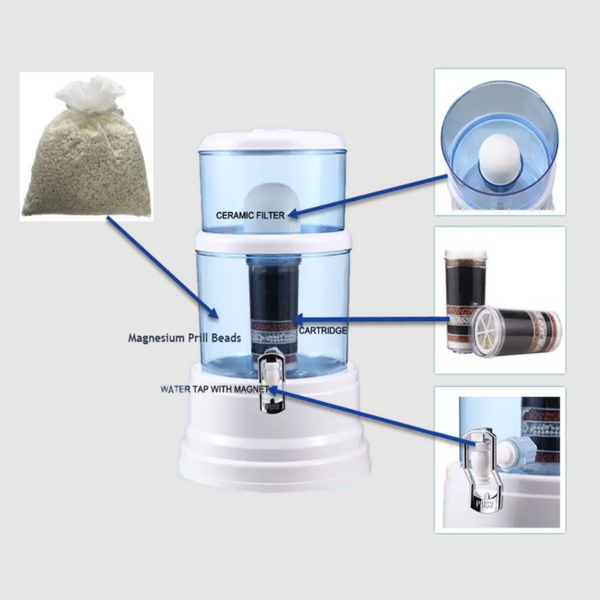
Are you curious if your refrigerator filter is doing more than just improving the taste of your water? You might be wondering, “Does my refrigerator filter remove fluoride?” It’s a question that matters because fluoride is a common part of tap water, and many people want to know if their water is truly clean and safe.
You’ll find clear answers about what these filters can and cannot do. Keep reading to discover how your fridge filter works and what steps you can take to protect your health.
Fluoride In Drinking Water
Fluoride is a mineral commonly found in water supplies around the world. Many communities add fluoride to drinking water to help reduce tooth decay. Understanding fluoride in water helps decide if a refrigerator filter can remove it.
Why Fluoride Is Added
Fluoride strengthens tooth enamel, making teeth more resistant to decay. It helps prevent cavities in children and adults. Many public health programs support water fluoridation as a cost-effective way to protect dental health. Fluoride in water reaches people regardless of age or income. This widespread protection helps reduce dental problems in the community.
Health Concerns Around Fluoride
Some people worry about fluoride’s effects on health. Too much fluoride can cause dental fluorosis, which changes the appearance of teeth. High fluoride levels may lead to bone problems in rare cases. There are debates about fluoride’s safety and long-term impact. Some prefer to reduce fluoride intake through water filters or bottled water. Knowing the risks helps people make informed choices about their drinking water.
How Refrigerator Filters Work
Refrigerator filters clean your water before you drink it. They work by trapping particles and harmful substances. Water passes through the filter media inside the cartridge. The filter media stops contaminants from flowing out. Clean water comes out of your fridge dispenser or ice maker.
Filters have different materials and technologies. Each type targets specific impurities. Understanding how filters work helps you choose the right one.
Types Of Filters Used
- Activated Carbon Filters: Remove chlorine, bad taste, and odors.
- Mechanical Filters: Trap sediment and larger particles.
- Ion Exchange Filters: Reduce heavy metals like lead and mercury.
- Reverse Osmosis Filters: Force water through a membrane to remove many contaminants.
Common Contaminants Removed
- Chlorine and chloramine chemicals
- Sediment like dirt, rust, and sand
- Lead, mercury, and other heavy metals
- Bad tastes and odors
- Some bacteria and cysts (depending on filter type)
Fluoride Removal Capabilities
Refrigerator filters are convenient for clean drinking water. But do they remove fluoride? Fluoride is a common water additive. It strengthens teeth but isn’t always desired. Understanding how refrigerator filters work helps. Let’s explore if they remove fluoride effectively.
Filter Technologies That Reduce Fluoride
Certain filters can reduce fluoride levels. Reverse osmosis is one such technology. It uses a semi-permeable membrane. This membrane filters out many impurities, including fluoride. Activated alumina is another option. It effectively absorbs fluoride particles. But these technologies aren’t common in refrigerator filters.
Limitations Of Standard Refrigerator Filters
Most refrigerator filters don’t target fluoride. They focus on chlorine, taste, and odor. These filters use activated carbon. While great for some particles, they miss fluoride. This leaves fluoride levels unchanged. For effective reduction, specialized filters are needed. Regular fridge filters may not meet this need.
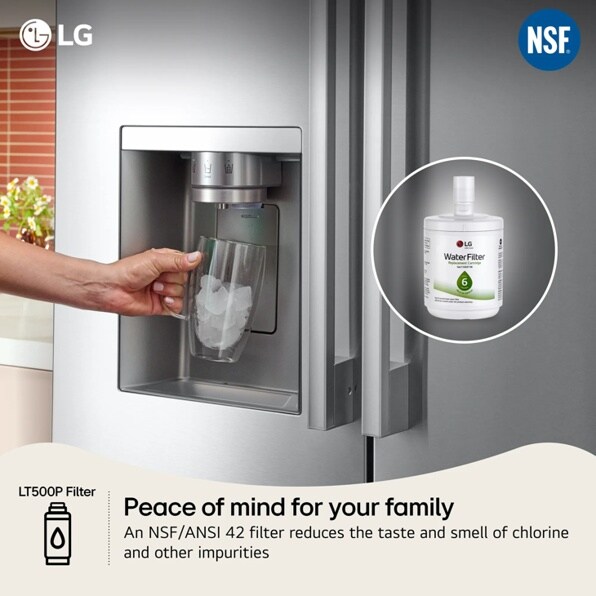
Credit: www.lg.com
Testing Your Refrigerator Filter
Testing your refrigerator filter helps confirm if it removes fluoride effectively. Not all filters are designed to reduce fluoride levels. Some may remove chlorine and sediments but leave fluoride untouched. Testing gives clear evidence about your filter’s performance. It guides you to choose the right filter or decide if you need additional water treatment.
Methods To Check Fluoride Levels
- Use a fluoride test kit available online or in stores.
- Collect water samples before and after filtering for comparison.
- Send samples to a certified lab for accurate fluoride measurement.
- Try digital fluoride meters for quick, on-site testing.
- Check product details of your filter for fluoride removal claims.
Interpreting Test Results
Compare fluoride levels in filtered and unfiltered water. A lower fluoride level after filtering means some removal. If levels stay the same, your filter does not remove fluoride. Understand units like mg/L or ppm used in results. Safe fluoride levels in drinking water usually range from 0.7 to 1.2 mg/L. High fluoride levels may require a specialized filter or treatment system.
Alternative Fluoride Removal Options
Removing fluoride from drinking water requires more than just a fridge filter. Specialized options exist that target fluoride effectively. These alternatives vary in cost, ease of use, and effectiveness. Understanding these choices helps you select the right one for your needs.
Specialized Filters And Systems
Some filters are designed specifically to reduce fluoride levels. Reverse osmosis systems use a membrane to block fluoride and other contaminants. Activated alumina filters absorb fluoride from water efficiently. Distillation units boil water, then collect the steam, leaving fluoride behind. Each system requires different maintenance and installation efforts.
Pros And Cons Of Different Methods
| Method | Pros | Cons |
|---|---|---|
| Reverse Osmosis | Removes most fluoride and impurities | Costly and wastes some water |
| Activated Alumina | Effective fluoride removal, portable | Needs regular replacement and proper pH |
| Distillation | Removes fluoride and many contaminants | Slow process, uses electricity |

Credit: purewaterfreedom.com
Maintaining Filter Efficiency
Maintaining the efficiency of your refrigerator filter is key to ensuring clean and safe water. Over time, filters lose their ability to trap impurities, including potentially harmful substances like fluoride. Staying on top of filter care means you get the best performance and avoid consuming contaminants.
Filter Replacement Frequency
Most refrigerator filters need to be replaced every 6 months, but this can vary based on your water quality and usage. If your water comes from a well or has high mineral content, you might need to change the filter more often. Check your refrigerator manual for specific recommendations, but don’t hesitate to replace it sooner if you notice changes in water taste or flow.
Think about how often you drink water from your fridge. If your family uses it heavily, waiting the full 6 months could let impurities build up. Setting a calendar reminder helps keep the replacement schedule on track.
Signs Your Filter Needs Changing
How can you tell if the filter isn’t working properly anymore? Watch for these signs:
- Reduced water flow:Water comes out slower or weaker than usual.
- Off taste or odor:Water starts tasting metallic, bitter, or has a strange smell.
- Cloudiness:Water looks cloudy or has particles floating in it.
- Indicator light:Some refrigerators have a filter change light—don’t ignore it.
Ignoring these signs can let fluoride and other contaminants slip through. Have you ever noticed a sudden change in your fridge water? That’s a good moment to check your filter.
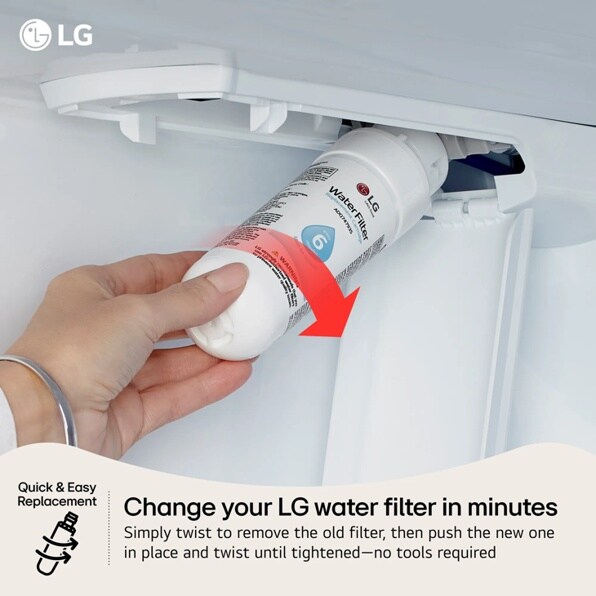
Credit: www.lg.com
Frequently Asked Questions
Does My Refrigerator Filter Remove Fluoride Effectively?
Most standard refrigerator filters do not remove fluoride. Fluoride requires specialized filters like activated alumina or reverse osmosis for removal. Always check the filter specifications to confirm if fluoride removal is supported.
What Types Of Filters Remove Fluoride From Water?
Filters like activated alumina, reverse osmosis, and some bone char filters effectively remove fluoride. Standard carbon filters in refrigerators usually don’t remove fluoride.
How Can I Test If My Filter Removes Fluoride?
You can test fluoride levels using a fluoride test kit before and after filtration. This helps confirm if your filter reduces fluoride content.
Is Fluoride Removal Necessary For Drinking Water?
Fluoride removal depends on personal preference and local water fluoride levels. Some people remove it due to health concerns or taste preferences.
Conclusion
Refrigerator filters usually do not remove fluoride from water. Most filters focus on chlorine, taste, and odor. Fluoride needs special filters like activated alumina or reverse osmosis. Check your filter’s details before trusting it. Clean water matters for health and taste.
Choose the right filter for your needs. Stay informed about what your filter can do. This helps you drink water safely every day.