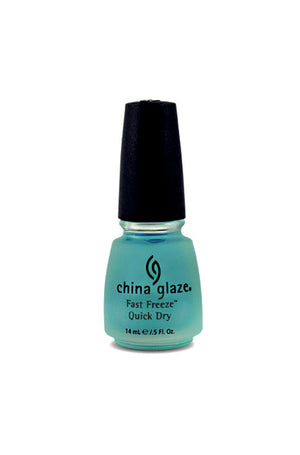
Have you ever left your nail polish in a cold place and wondered, “Does nail polish freeze?” It’s a simple question, but the answer might surprise you. Understanding how nail polish reacts to freezing temperatures can save you money and frustration.
If you want to keep your favorite colors looking fresh and avoid ruining your bottles, you need to know what really happens when nail polish gets cold. Keep reading to discover the facts and learn the best tips to protect your polish from freezing damage.

Credit: www.amazon.com
Freezing Point Of Nail Polish
Nail polish doesn’t behave like water when it gets cold. Its freezing point isn’t a simple number because nail polish is a mix of many chemicals. Understanding the freezing point can help you know how to store your polish and keep it from ruining your favorite colors.
Chemical Composition Impact
The freezing point of nail polish depends on its chemical makeup. Since it contains solvents, resins, and pigments, each part affects how cold it can get before it thickens or freezes.
Solvents like ethyl acetate and butyl acetate lower the freezing point, meaning the polish can stay liquid even at quite low temperatures. But if your polish has fewer solvents and more solid ingredients, it’s more likely to get thick or separate when cold.
Have you noticed your nail polish getting clumpy after being in a cold room? That’s the solvents reacting to the temperature change, shifting the polish’s texture and usability.
Common Ingredients And Their Effects
| Ingredient | Role | Effect on Freezing Point |
|---|---|---|
| Ethyl Acetate | Solvent | Lowers freezing point, keeps polish liquid at low temps |
| Butyl Acetate | Solvent | Similar to ethyl acetate, helps polish resist freezing |
| Nitrocellulose | Film Former | Solidifies when cold, can cause thickening |
| Plasticizers | Flexibility | Help maintain smoothness, reduce brittleness in cold |
These ingredients work together to balance polish performance. If your polish freezes, it’s usually because the solvent level can’t keep up with the cold.
What’s your experience with nail polish storage? Have you ever tried to save a bottle that got too cold? Understanding these ingredients can help you decide whether to keep it or toss it.

Credit: nailie.com
What Happens When Nail Polish Freezes
Nail polish is a delicate product. Freezing temperatures can affect it in several ways. Understanding these changes helps keep your polish usable and beautiful.
Texture And Consistency Changes
When nail polish freezes, its texture thickens. The liquid inside may separate or become grainy. Small clumps can form, making the polish less smooth. Once thawed, it might not return to its original consistency. This can cause uneven coats and clumpy nails.
Effect On Application And Finish
Frozen nail polish can be hard to apply. Brushes may drag or skip, leaving streaks. The polish may dry unevenly or take longer to set. The final look can appear dull or patchy. The shine and smooth finish usually suffer after freezing.
How Cold Is Too Cold For Nail Polish
Nail polish can freeze in very cold temperatures below 32°F (0°C), affecting its texture and application. Freezing causes the polish to thicken and separate, making it hard to use. Storing polish in a cool, dry place helps keep it smooth and ready to apply.
Nail polish is not just a beauty product. It is a chemical mixture. This means it can be sensitive to temperature changes. Cold weather can affect the texture and color. So, how cold is too cold for your nail polish? Understanding the temperature range can help maintain its quality.Temperature Thresholds
Nail polish should be stored between 55°F and 75°F. Below 55°F, the polish can thicken and separate. The cold can make it difficult to apply smoothly. Always check the temperature where you store your nail polish.Storing Nail Polish In Cold Weather
Keep nail polish away from windows and doors. These places can get too cold. Store it in a drawer or a cabinet for better temperature control. Use a small storage box for extra protection. Ensure that the lid is tightly closed. This helps prevent thickening and separation.Signs Your Nail Polish Has Been Damaged By Cold
Have you ever pulled out a bottle of nail polish after leaving it in a cold place, only to find it not quite right? Cold temperatures can silently damage your polish, affecting how it looks and applies. Spotting these signs early can save you from a disappointing manicure experience.
Separation And Clumping
One of the first signs your nail polish has been harmed by the cold is separation. You might notice the pigment sinking to the bottom while the clear liquid stays on top. This uneven mix can make your polish hard to apply smoothly.
Clumping is another red flag. When you shake the bottle, instead of blending back evenly, the polish may form lumps or sticky bits. This happens because freezing causes the ingredients to thicken or partially solidify, changing the texture.
Color Changes And Opacity
Have you ever seen your nail polish color look dull or cloudy after being chilled? Cold can alter the polish’s original hue and transparency. Instead of a shiny finish, it might appear hazy or patchy on your nails.
These changes happen because freezing affects the chemical balance of the polish. If your favorite shade suddenly looks off, it’s a sign the polish may no longer perform well and could ruin your manicure.
Tips To Prevent Nail Polish From Freezing
Keeping your nail polish from freezing is easier than you might think. With a few simple habits, you can maintain its smooth texture and vibrant color. Let’s dive into practical tips that help you protect your nail polish, especially in colder months.
Proper Storage Practices
Store your nail polish in a cool, dry place away from direct sunlight. Extreme temperatures can change its consistency, making it thick or even causing it to freeze. A drawer or cabinet inside your home works perfectly.
Keep the bottle tightly closed to prevent air from drying out the polish. I’ve noticed that a loose cap often leads to quicker thickening. Have you checked your bottle’s seal lately?
Consider using a small storage box or container to keep all your nail polishes together. This helps maintain a stable temperature and protects them from sudden cold drafts.
Travel And Outdoor Precautions
If you’re carrying nail polish in cold weather, avoid leaving it in your car overnight. Temperatures can drop quickly and cause freezing damage. Instead, keep your polish in your bag, close to your body for warmth.
Using insulated pouches or small thermal bags can make a big difference on winter trips. They maintain a steady temperature and prevent your polish from freezing during transit.
Always double-check the weather forecast before packing nail polish for outdoor activities. Have you ever opened your polish after a chilly day and found it unusable? A little extra care can save you from that frustration.
Can Frozen Nail Polish Be Salvaged
Discovering your nail polish has frozen can feel like a mini disaster. But before you toss that bottle, ask yourself: Can frozen nail polish be saved? The good news is, in many cases, yes. With some patience and the right approach, you might restore its smooth, usable texture without losing color or quality.
Thawing Methods
Thawing frozen nail polish requires gentle care to avoid damaging its formula. Avoid using direct heat like a microwave or stove, as this can alter the polish’s consistency or cause it to separate permanently.
- Warm Water Bath:Place the bottle in a cup of warm (not hot) water for about 10 to 15 minutes. This slowly raises the temperature and helps the polish liquefy again.
- Room Temperature Rest:Simply leave the bottle at room temperature for a day or two. This is the safest but slowest way to thaw it.
- Gentle Rolling:After warming, roll the bottle gently between your palms. This mixes the polish evenly without creating bubbles.
Have you ever tried to shake frozen polish? It often becomes thick and clumpy, making application difficult. Instead, warming and careful rolling can bring back the smooth texture you want.
When To Replace Your Nail Polish
Not all frozen polishes can be saved. If you notice permanent changes like extreme separation, graininess, or an unusually thick consistency after thawing, it’s time to let it go.
Also, if the color has changed or the polish smells off, these are signs the formula is compromised. Using damaged polish can lead to uneven application or even damage to your nails.
Ask yourself: Is the polish still easy to apply and does it dry properly? If not, replacing it will save you frustration and ensure your nails look their best.
Myths About Nail Polish And Freezing
Nail polish and freezing is a topic full of myths and confusion. Many believe that freezing nail polish can either ruin it or make it last longer. These myths often lead to improper storage and use. Understanding the truth helps keep nail polish in good condition.
Common Misconceptions
- Freezing nail polish will make it thicker or clumpy.
- Cold temperatures ruin the color or texture instantly.
- Freezing can extend the shelf life of nail polish.
- Warm nail polish should never be cooled quickly.
These ideas come from personal experiences or word of mouth. Many people think freezing damages nail polish because it changes consistency. Some believe cold storage preserves polish better than room temperature.
Scientific Facts Vs Popular Beliefs
Nail polish is a mix of solvents and pigments. Its freezing point is much lower than a home freezer’s temperature. Most nail polishes do not freeze solid in a regular freezer.
Cold temperatures can make polish thicker temporarily. This thickening reverses once polish returns to room temperature. Freezing does not destroy the chemical structure or color.
Proper storage means keeping nail polish in a cool, dark place. Extreme heat or direct sunlight causes more damage than cold. Avoid shaking frozen polish hard, as it may cause bubbles.

Credit: www.amazon.com
Frequently Asked Questions
Does Nail Polish Freeze In Cold Temperatures?
Nail polish can freeze if exposed to extreme cold, typically below 32°F (0°C). Freezing may cause separation or thickening. However, most household freezers are not cold enough to freeze nail polish solid.
How Does Freezing Affect Nail Polish Quality?
Freezing can change nail polish texture, causing clumps or uneven consistency. It may also reduce its smooth application and drying time. Thawed polish might not perform as well as fresh polish.
Can Frozen Nail Polish Be Restored?
Yes, gently warming frozen nail polish can restore its consistency. Avoid shaking vigorously; instead, place the bottle in warm water and mix slowly. If separation persists, the polish might be permanently damaged.
Is Freezing Nail Polish A Good Storage Method?
Freezing nail polish is not recommended for long-term storage. Extreme cold can degrade ingredients and alter formula stability. Store polish in a cool, dry place away from direct sunlight instead.
Conclusion
Nail polish can freeze if stored in very cold places. Freezing may change its color and texture. It might become thick and hard to use. Keep nail polish in a cool, dry spot instead. Avoid putting it in the freezer or outside in winter.
Proper storage helps polish last longer and stay smooth. Now you know how cold affects your nail polish. Handle your polish with care for the best results. Simple steps can keep your polish fresh and ready to use.