
Have you ever wondered if getting an oil change could impact your car’s air conditioner? It might sound strange, but the two are more connected than you think.
If you want to keep your car cool and comfortable, understanding this link is key. You’ll discover how an oil change can affect your air conditioner and what you need to watch out for. Keep reading to make sure your ride stays smooth and chill no matter the weather.
How Oil Change Relates To Air Conditioner
The oil in an air conditionerhelps to keep the compressor parts moving smoothly. It reduces frictionand prevents wear. Without proper oil, the compressor can get damaged. This oil is different from the oil used in your car engine.
Changing the oil in your car does not affect the air conditioner. The two systems work independently. The car’s oil change only impacts the engine, not the air conditioning system.
Many people think that an oil change will improve the AC’s cooling. This is a common misconception. The AC uses refrigerant gas, not engine oil, to cool the air.
- The compressor oil stays inside the AC unit.
- It should be checked during AC servicing.
- Regular oil changes for the car engine do not affect AC performance.

Credit: blog.smarttouchenergy.com
Impact Of Oil Change On Ac Performance
Changing the oil in your car does not directly affect the air conditioner’s cooling power. The engine oiland AC systemwork separately. But a well-maintained engine can help the AC work better. A smooth-running engine means the AC compressor gets enough power.
Dirty or old oil may cause the engine to run rough. This can make the AC less efficient. It might not cool the car as fast or as well.
Some risks to AC parts if oil is ignored:
- Compressor strain:A weak engine can stress the AC compressor.
- Reduced airflow:Engine issues can lower fan speed.
- Possible leaks:Poor engine health can cause vibrations that harm AC pipes.
Signs Your Ac Might Be Affected
Unusual noiseslike rattling or grinding can signal AC problems. These sounds often mean the system is struggling due to oil change issues. Strange noises should not be ignored as they may lead to bigger damage.
Reduced cooling poweris a clear sign. The AC might not cool the room as it used to. This happens because the compressor or other parts are not working well without proper lubrication.
Increased energy consumptionmeans your AC uses more power than normal. This can be caused by the system working harder to cool. Higher bills often point to an oil-related issue in the AC.
Preventive Measures To Protect Your Ac
Regular maintenancekeeps your AC running smoothly and avoids damage. Check the oil type to ensure it matches your AC requirements. Using the wrong oilcan harm the system and reduce cooling efficiency.
Keep a schedule for regular checkupsby a qualified technician. They clean parts, check oil levels, and find small problems early. This helps prevent costly repairs and extends the AC’s life.
- Use only oil recommended by the AC manufacturer.
- Replace oil as per the service manual instructions.
- Inspect oil seals and parts for leaks during checkups.
- Clean filters and coils regularly to improve airflow.
Expert Opinions And Real Experiences
Experts note that oil changes rarely impact air conditioner performance directly. Real users report no noticeable difference in cooling after oil changes. The two systems function independently in most vehicles.
Mechanic Insights
Oil changemainly affects the engine, not the air conditioner. The air conditioner uses a different system with refrigerant and compressor oil. Mechanics say skipping oil changes can harm engine parts and reduce fuel efficiency. But this does not directly impact air conditioner performance.
Sometimes, old engine oil can cause the engine to run poorly. This might make the car feel hotter inside. Still, the air conditioner system stays separate. Keeping both engine oil and AC system checked is best for smooth car operation.
Customer Stories
- Many drivers noticed no change in AC cooling after oil changes.
- Some felt better engine performance, but AC stayed the same.
- Others said dirty engine oil made the engine noisy, but AC worked fine.
- Regular oil changes helped avoid engine trouble, keeping the car comfortable overall.

Credit: timsquality.com
Faqs About Oil Change And Air Conditioners
Changing your car’s oil does not directly harm the air conditioner. Both systems work independently. However, neglecting oil changes can lead to engine problems that may affect overall car performance, including the AC. Clean oil helps the engine run smoothly and keeps the car’s systems healthy.
Oil should be changed every 3,000 to 5,000 miles or as per the car manual. Regular oil changes ensure the engine stays lubricated and prevents damage. Fresh oil also improves fuel efficiency and reduces wear.
Consult a professional if you notice:
- Strange noises from the engine or AC
- Reduced cooling in the air conditioner
- Oil leaks or unusual smoke
- Warning lights on the dashboard
Experts can check both the engine and AC systems to prevent bigger issues.
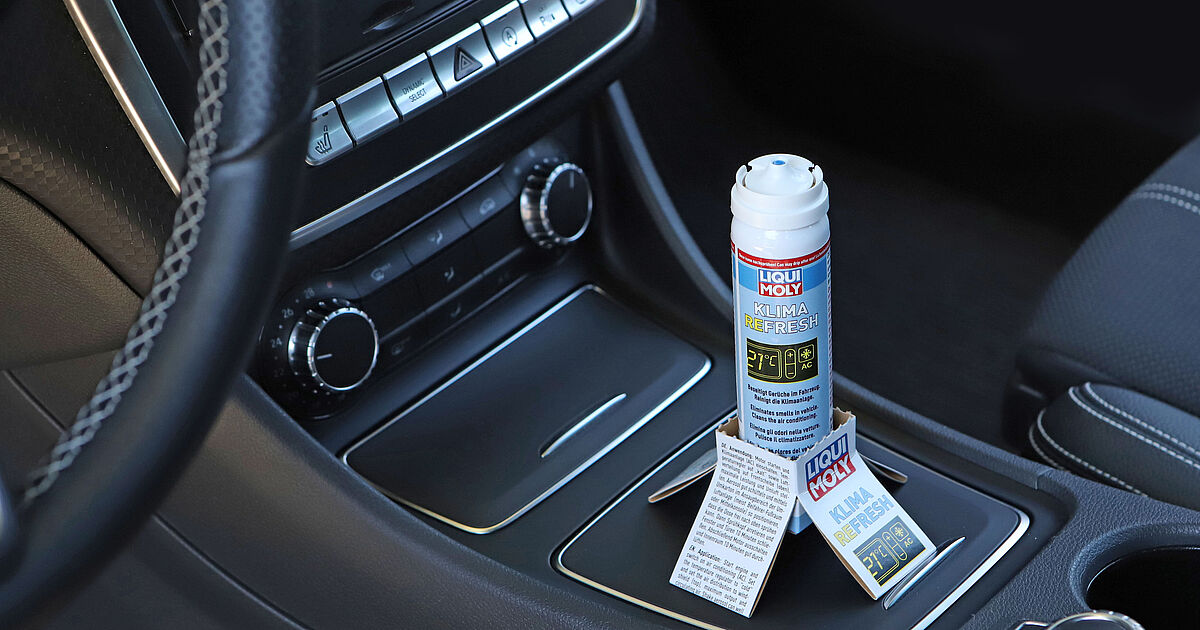
Credit: www.liqui-moly.com
Frequently Asked Questions
Does An Oil Change Impact The Ac System?
An oil change primarily affects the engine’s performance and lubrication. It doesn’t directly impact the air conditioner. However, regular maintenance of both systems is essential. Keeping your car in top shape ensures overall efficiency, including the AC system. Always adhere to the recommended service schedule for optimal performance.
Why Is Regular Oil Change Important For Vehicles?
Regular oil changes ensure the engine runs smoothly and efficiently. Clean oil reduces friction, preventing wear and tear. It also aids in cooling the engine, ensuring longevity. Neglecting oil changes can lead to engine damage, reduced performance, and costly repairs.
Always follow the manufacturer’s guidelines for oil change intervals.
Can Low Engine Oil Affect Ac Performance?
Low engine oil doesn’t directly affect the AC system. However, it can cause engine overheating. An overheated engine may reduce overall vehicle efficiency, indirectly affecting AC performance. Maintaining proper oil levels is crucial for optimal vehicle function. Regular checks and timely oil changes ensure a smooth driving experience.
What Are The Signs Of A Bad Oil Change?
Signs of a bad oil change include engine noise, reduced performance, and oil leaks. You might also notice the oil warning light illuminated. These issues can lead to serious engine damage if not addressed. Always ensure oil changes are performed by qualified technicians using the correct oil type.
Conclusion
Changing your car’s oil does not directly affect the air conditioner. Both systems work separately but keep your vehicle running smoothly. Regular oil changes help the engine perform better and last longer. A well-maintained engine can support other parts, including the air conditioner.
Keep track of your car’s maintenance schedule for the best results. Small actions like this save money and avoid bigger problems later. Simple care goes a long way for a comfortable ride.