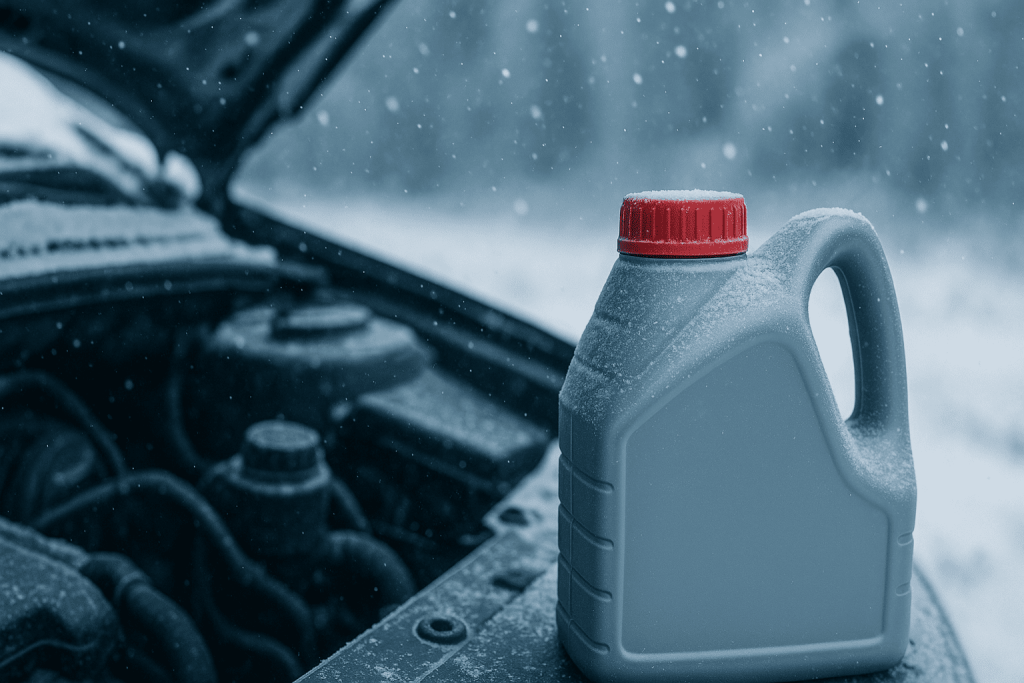
Have you ever wondered if the oil in your car or home heating system might freeze during those chilly winter months? Imagine waking up one frosty morning only to find that your car won’t start or your heating system is acting up.
This common concern might leave you worried, especially if you rely on oil to keep things running smoothly in cold weather. Understanding whether oil can freeze and what you can do about it could save you from unexpected headaches and expenses.
Let’s delve into the science behind oil in winter and discover practical tips to ensure everything stays in perfect working order. Keep reading to find out how to keep your winter worry-free!

Credit: heatauthority.com
How Oil Reacts To Cold
Understanding how oil behaves in cold temperatures can save you from unexpected troubles during winter. Oils don’t all react the same way when the mercury drops. Knowing the details helps you handle your kitchen or car better in freezing conditions.
Freezing Points Of Common Oils
Different oils freeze at different temperatures. Some oils remain liquid even in very cold weather, while others solidify quickly.
| Oil Type | Freezing Point (°F) | Freezing Point (°C) |
|---|---|---|
| Olive Oil | 21 | -6 |
| Canola Oil | 14 | -10 |
| Coconut Oil | 76 | 24 |
| Motor Oil (varies by type) | -40 to 0 | -40 to -18 |
Notice how coconut oil freezes at a much higher temperature than olive or canola oil. This means coconut oil turns solid even in mild cold, while olive oil stays liquid until it’s quite cold.
Differences Between Cooking And Motor Oils
Cooking oils and motor oils serve very different purposes, so their reactions to cold differ too.
- Cooking oilsare mostly made from natural fats and can solidify or become cloudy in the fridge or winter cold.
- Motor oilscontain special additives to prevent freezing and maintain fluidity in low temperatures.
If you’ve ever stored olive oil in the fridge, you might have seen it turn cloudy or solidify. This doesn’t mean it’s ruined—it’s a normal reaction to cold. On the other hand, motor oil needs to flow smoothly to protect your engine, so it’s engineered to resist freezing at very low temperatures.
Have you noticed your cooking oil behaving differently in winter? Understanding these differences helps you choose the right oil for your needs and avoid surprises when the temperature drops.

Credit: blueskynewenergy.com
Factors Influencing Oil Freezing
Understanding why oil freezes or doesn’t freeze in winter depends on several factors. These factors impact how oil behaves under cold conditions and whether it remains usable or solidifies. Knowing these details can help you choose the right oil for your needs and avoid problems during the cold season.
Oil Composition And Additives
Not all oils freeze at the same temperature. The chemical makeup of the oil plays a big role. Oils with higher amounts of saturated fats tend to solidify more quickly because their molecules pack tightly together when cold.
Additives also make a difference. Some oils contain special ingredients that lower the freezing point. These additives keep the oil flowing even when the temperature drops below freezing.
Have you ever noticed how some cooking oils stay liquid in the fridge while others turn cloudy or hard? That’s due to their different compositions and additives at work.
Temperature Variations And Conditions
The exact temperature and how long it stays cold affect oil freezing. A brief dip below freezing might not solidify oil, but sustained cold can cause it to harden.
Other conditions matter too, such as exposure to wind or moisture. These can speed up cooling and increase the chance of oil freezing.
If you store oil outside or in an unheated area, think about the local climate. Does your area experience sudden drops in temperature? That can influence whether your oil freezes or not.
Effects Of Freezing On Oil Quality
Freezing can affect the quality of oils in several ways. Cold temperatures change how oil looks and behaves. This impacts its use in cooking and storage. Understanding these effects helps maintain oil quality during winter months.
Texture And Consistency Changes
Oil often becomes thick or cloudy when cold. Some oils may solidify or develop crystals. These changes are temporary and reverse once the oil warms. However, repeated freezing can cause permanent texture shifts. Thickened oil may pour slower or feel grainy. These changes can affect cooking results and oil handling.
Impact On Nutritional Value
Freezing usually does not destroy oil’s nutrients. Most oils keep their vitamins and antioxidants at low temperatures. But long freezing periods can slightly reduce some nutrients. Exposure to air and light during freezing causes more damage. Proper storage in sealed containers helps protect nutritional value.
Preventing Oil Freezing
Preventing oil from freezing during winter helps maintain its quality and usability. Cold temperatures can cause some oils to thicken or solidify. Taking the right steps ensures oils stay liquid and ready for use. Proper care and storage extend the oil’s life and prevent waste.
Proper Storage Tips
- Store oil in a cool, dark place away from direct sunlight.
- Keep containers tightly sealed to avoid moisture and air exposure.
- Use smaller containers to reduce air contact once opened.
- Avoid storing oil near windows or unheated areas where temperatures drop.
- Consider room temperature storage if outdoor temperatures fall below freezing.
Using Oils In Cold Climates
- Choose oils with lower freezing points for cold weather use.
- Warm the oil gently before use to restore liquid form.
- Mix solidified oil with a small amount of warm oil to improve flow.
- Use insulated containers for transporting oil in freezing temperatures.
- Regularly check oil for changes in texture or smell to ensure quality.
Myths About Oil And Winter Cold
Winter often brings a lot of questions about how everyday substances behave in the cold, and oil is no exception. Many people wonder if oil actually freezes during winter and what impact the cold has on its performance. Let’s clear up some common myths surrounding oil and winter cold to help you understand what really happens.
Common Misconceptions
One common myth is that oil freezes solid in winter like water does. This isn’t exactly true. While oil does get thicker and more viscous as temperatures drop, it rarely freezes completely under normal winter conditions.
Another misconception is that all oils react the same way to cold. In reality, different types of oil have different freezing points and behaviors. For example, motor oils designed for winter use have additives that prevent thickening, ensuring your engine runs smoothly.
Many people also believe that if oil thickens, it will damage engines or machinery immediately. But oils are designed to protect parts even in cold weather, though extremely low temperatures might require special formulations or heating methods.
Scientific Facts Vs. Myths
Scientifically, oil’s freezing point depends on its chemical makeup. Most oils solidify at temperatures much lower than typical winter lows. For example, common motor oils start to gel but don’t freeze solid until temperatures drop far below what you’d usually encounter.
Viscosity changes in cold weather are real and measurable. Oils become thicker, which can slow down the flow and affect performance temporarily. That’s why winter-grade oils are thinner at low temperatures to maintain proper lubrication.
Have you ever noticed your car takes a bit longer to start on a freezing morning? That’s oil viscosity at work, not freezing. Using the right oil for your climate can make a big difference here, preventing potential engine wear and improving cold starts.

Credit: www.raysmuffler.com
Frequently Asked Questions
Does Oil Freeze In Winter Temperatures?
Most oils do not freeze in typical winter temperatures. They may thicken but rarely solidify unless extremely cold. Freezing points vary by oil type.
At What Temperature Does Oil Start To Freeze?
Oil begins to freeze at temperatures below its pour point. This varies widely but often occurs below -20°C (-4°F).
Can Cold Weather Affect Oil’s Performance?
Yes, cold weather thickens oil, reducing flow and lubrication. This can impact engine or machinery efficiency during winter months.
How To Prevent Oil From Freezing In Winter?
Use winter-grade or synthetic oils with lower pour points. Store oil in warm places and insulate containers to maintain flow.
Conclusion
Oil can thicken or gel in very cold weather but does not truly freeze. This change can slow down engines or machines if the oil becomes too thick. Choosing the right oil for winter helps keep things running smoothly. Regular checks and oil changes protect your equipment in cold months.
Understanding oil behavior in winter saves time and money. Stay prepared and keep your machines healthy all season long.