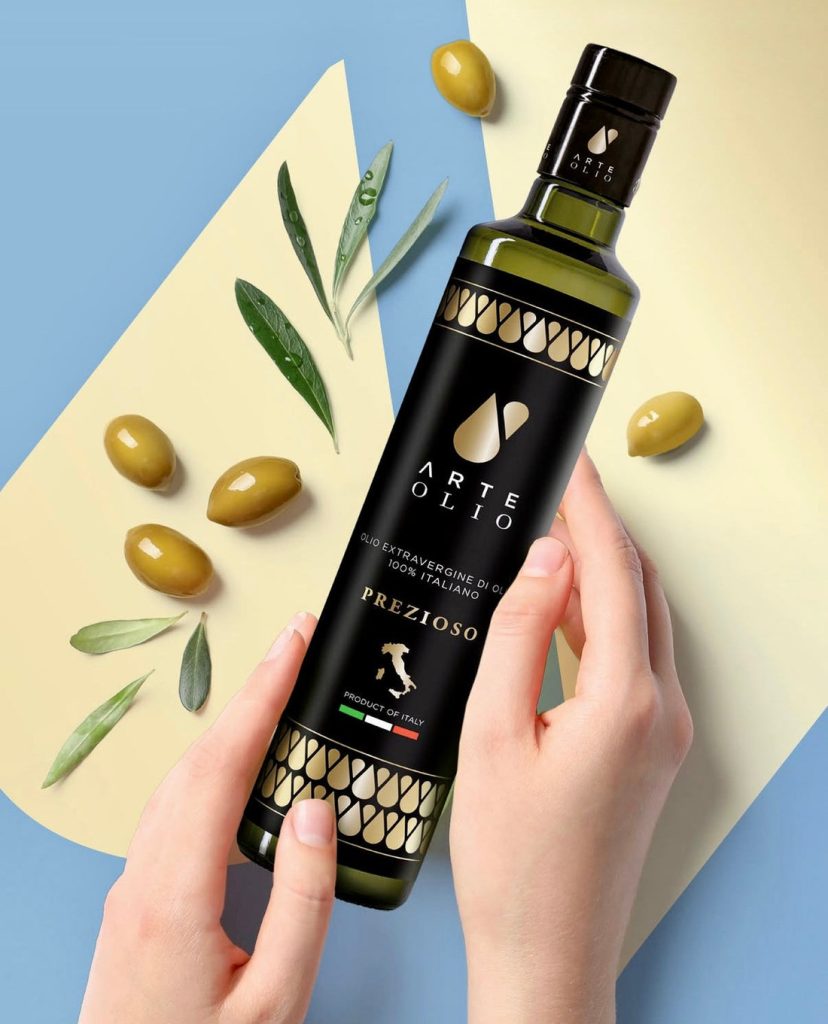
Have you ever opened your fridge only to find your olive oil looking cloudy or even solid? It can be confusing and might make you wonder if your olive oil has gone bad.
But does olive oil actually solidify in the refrigerator? Understanding this can help you store your olive oil the right way and keep its flavor fresh. You’ll discover why olive oil changes texture when chilled and what it means for your cooking.
Keep reading—you’ll never look at your olive oil the same again!
Olive Oil Basics
Olive oil is a staple in many kitchens worldwide. Understanding its basic properties helps explain why it sometimes changes texture. This section covers the essential facts about olive oil. These facts clarify why olive oil may solidify in the refrigerator.
Types Of Olive Oil
Olive oil comes in several varieties. Each type differs in taste, color, and processing method.
- Extra Virgin Olive Oil:Cold-pressed, highest quality, strong flavor.
- Virgin Olive Oil:Also cold-pressed but with slightly lower quality.
- Refined Olive Oil:Processed to remove flaws, milder taste.
- Olive Pomace Oil:Made from leftover olive pulp, lowest quality.
Extra virgin olive oil is most common for cooking and dressings.
Fat Composition
Olive oil mainly contains healthy fats. It is rich in monounsaturated fats, especially oleic acid.
These fats affect its texture and how it reacts to cold temperatures.
| Fat Type | Approximate Percentage | Effect on Texture |
|---|---|---|
| Monounsaturated Fats | 70-80% | Liquid at room temperature, solidifies when cold |
| Polyunsaturated Fats | 7-10% | More fluid, less likely to solidify |
| Saturated Fats | 10-15% | Solid at cooler temperatures |
These fat types influence olive oil’s behavior in cold places like refrigerators.

Credit: www.reddit.com
How Temperature Affects Olive Oil
Temperature plays a key role in changing the state of olive oil. Its texture and appearance shift as temperatures drop. Knowing these changes helps in storing and using olive oil correctly.
Cold temperatures can cause olive oil to thicken or solidify. This is a normal physical reaction. It does not mean the oil has gone bad. The oil will return to liquid form at room temperature.
Freezing Point Of Olive Oil
Olive oil does not freeze like water. It solidifies gradually instead of forming ice. The freezing point varies between -6°C and -2°C (21°F to 28°F). This depends on the oil’s purity and type.
Extra virgin olive oil tends to solidify at a higher temperature. This is due to its natural fats and compounds. Refined olive oils may stay liquid at lower temperatures.
Factors Influencing Solidification
- Fatty Acid Composition: Oils rich in saturated fats solidify faster.
- Purity Level: Pure olive oil solidifies more uniformly.
- Storage Temperature: Lower temps increase the chance of solidifying.
- Exposure to Air: Oxidation can slightly change solidification behavior.
- Oil Blend: Mixed oils might solidify at different temperatures.
Understanding these factors helps maintain olive oil quality. Store olive oil in a cool, dark place but avoid the fridge for regular use. This keeps it fresh and easy to pour.
Why Olive Oil Solidifies In Refrigerator
Olive oil solidifies in the refrigerator because cold temperatures cause its fats to harden. This natural change does not affect its quality or taste. Storing olive oil at room temperature keeps it liquid and easy to use.
Why Olive Oil Solidifies in Refrigerator Olive oil is a popular kitchen staple. But have you noticed it sometimes solidifies in the fridge? This occurrence is normal and doesn’t affect its quality. Understanding why this happens involves a closer look at its composition.Role Of Saturated Fats
Olive oil contains various types of fats. Among them are saturated fats. These fats tend to solidify at lower temperatures. When you place olive oil in the fridge, the saturated fats solidify. This gives the oil a cloudy or solid appearance. The higher the saturated fat content, the faster it solidifies.Effect Of Storage Time
The time olive oil spends in the fridge also matters. Longer storage means more solidification. Over time, the saturated fats have more chance to solidify. Shorter storage times might not show as much change. But leave it long enough, and you’ll notice the difference. Don’t worry if your olive oil solidifies. It’s safe to use once it returns to room temperature.
Credit: fryaway.co
Is Solidified Olive Oil Safe To Use
Olive oil can solidify when stored in the refrigerator. This change is normal and does not mean the oil is bad. The cold temperature causes the oil to harden. Many people wonder if solidified olive oil is safe to use. The answer is yes, it is safe and still good for cooking and eating.
Changes In Flavor And Texture
When olive oil solidifies, its texture becomes thick and cloudy. This is because some fats solidify at low temperatures. The flavor may seem milder or less intense. Let the oil return to room temperature to restore its usual texture. The taste will come back once the oil melts.
Nutritional Impact
Cold temperatures do not change the nutritional value of olive oil. Its healthy fats and antioxidants remain intact. Solidifying does not affect the oil’s health benefits. Olive oil still provides good fats that support heart health. Use it as normal after it warms up.
Preventing Olive Oil Solidification
Olive oil can solidify when stored at low temperatures. This change in texture does not harm the oil’s quality. Preventing solidification helps keep olive oil easy to use. Proper storage is key to maintain its liquid state and fresh flavor.
Optimal Storage Conditions
Keep olive oil in a cool, dark place away from heat. Temperatures between 57°F and 70°F (14°C to 21°C) are ideal. Avoid storing oil near stoves, ovens, or direct sunlight.
Use a dark glass or stainless steel container to protect oil from light. Seal the container tightly to stop air from entering. Exposure to light and air speeds up spoilage and solidification.
Alternative Storage Tips
- Store olive oil at room temperature instead of the fridge.
- Use smaller bottles to limit air exposure after opening.
- Bring refrigerated olive oil back to room temperature before use.
- Keep oil away from strong-smelling foods to avoid odor absorption.
Other Oils And Their Behavior In Cold
Different oils react differently to cold temperatures. Some oils stay liquid, while others become cloudy or solidify. This behavior depends on the oil’s fat composition and structure. Understanding these differences helps in choosing the right oil for storage and cooking.
Comparison With Vegetable Oils
Vegetable oils often contain more polyunsaturated fats than olive oil. These fats remain liquid even at low temperatures. Oils like canola, sunflower, and soybean oil usually do not solidify in the fridge. They might turn slightly cloudy but will stay pourable. This makes them easy to use straight from the refrigerator.
In contrast, coconut oil and palm oil have high saturated fat content. They tend to solidify quickly in cold environments. Their texture changes from liquid to solid or semi-solid at fridge temperatures. This is normal and does not affect their quality or taste.
Unique Properties Of Olive Oil
Olive oil contains mostly monounsaturated fats, especially oleic acid. This fat type solidifies at a higher temperature than polyunsaturated fats. Olive oil can start to cloud or solidify around 40°F (4°C). This is why it often thickens in the fridge.
The solidification process is slow and reversible. Olive oil returns to liquid form when warmed to room temperature. Its flavor and nutrients remain intact despite the change in texture. This unique behavior makes olive oil stand out among common cooking oils.

Credit: www.tasteofhome.com
Frequently Asked Questions
Does Olive Oil Solidify When Refrigerated?
Yes, olive oil can solidify in the refrigerator due to low temperatures. The cold causes fats to crystallize, turning the oil cloudy or solid. This is normal and does not affect the oil’s quality or taste.
Why Does Olive Oil Turn Cloudy In Fridge?
Olive oil turns cloudy in the fridge because its fats solidify. This happens when temperature drops below 45°F (7°C). The cloudiness is temporary and will disappear once the oil warms to room temperature.
Is Solidified Olive Oil Safe To Use?
Yes, solidified olive oil is safe to use. The solidification is a natural process caused by cold temperatures. Just let it return to room temperature, and it will regain its liquid form and original flavor.
How Long Does Olive Oil Stay Solid In Fridge?
Olive oil can remain solid in the fridge as long as it stays cold. It will stay solid for weeks or months. Once removed from the fridge, it liquefies within a few hours at room temperature.
Conclusion
Olive oil can solidify in the refrigerator because of the cold temperature. This change does not harm its quality or taste. Simply take it out and let it warm up to liquid form again. Storing olive oil in a cool, dark place is best for keeping it fresh longer.
Remember, solidification is normal and easy to fix. Keep enjoying your olive oil without worry.