Are you worried about your pipes freezing during cold weather? You might have heard that opening your cabinets can help prevent this problem.
But does it really work? Understanding the truth behind this simple tip can save you from costly repairs and cold surprises. You’ll discover why opening cabinets might protect your pipes, when it helps the most, and what other steps you can take to keep your home safe and warm.
Keep reading to find out how to protect your plumbing before the freeze hits.

Credit: cactusplumbingandair.com
Why Pipes Freeze
Understanding why pipes freeze helps protect your home during cold weather. Pipes freeze when water inside them turns to ice. Ice expands and can cause pipes to burst. This leads to costly repairs and water damage. Several factors increase the risk of freezing pipes. Knowing these helps you take the right precautions.
Common Causes
- Cold air exposure lowers pipe temperature below freezing.
- Poor insulation allows heat to escape around pipes.
- Sudden temperature drops catch pipes unprepared.
- Leaks or drips reduce water flow, allowing freezing.
- Closed cabinet doors trap cold air, cooling pipes.
Areas At Risk
- Unheated basements and crawl spaces.
- Exterior walls with pipes inside.
- Cabinets under sinks on outside walls.
- Attics with exposed plumbing.
- Garages with water supply lines.

Credit: cactusplumbingandair.com
How Cabinet Doors Affect Pipe Temperature
Cabinet doors play a key role in controlling the temperature around pipes. Pipes often run under kitchen or bathroom sinks, hidden inside cabinets. These cabinets can block warm air from reaching the pipes. Opening cabinet doors allows warmer room air to flow directly to the pipes. This simple action can help keep pipes warmer during cold weather.
Heat Circulation Benefits
Opening cabinet doors improves air movement around pipes. Warm air from the room enters the cabinet space. This helps raise the temperature near the pipes. Warmer air reduces the chance of water inside pipes freezing. It keeps pipes from becoming brittle and breaking. Heat circulation inside cabinets can be a simple way to protect pipes in winter.
Warm air can reach pipes faster without closed doors. This keeps water flowing smoothly. It also helps avoid costly repairs from burst pipes. The benefit is greater in rooms with steady heating. Kitchens and bathrooms often have heat sources nearby. Open cabinets let this heat reach hidden pipes.
Limitations Of Opening Cabinets
Opening cabinet doors is not a full-proof solution. It only helps if the room is warm enough. In very cold spaces, open doors might not provide enough heat. Pipes in exterior walls or unheated areas may still freeze. Cabinets with poor insulation allow cold air to enter too easily. Warm air circulation then becomes less effective.
Other steps may be needed for full pipe protection. Insulating pipes or using heat tape can help. Sealing drafts and maintaining home heating are important too. Opening cabinets is useful but should be part of a broader plan. It is a simple step that adds some protection but does not guarantee no freezing.
Proven Tips To Prevent Frozen Pipes
Frozen pipes can cause costly damage and disrupt your daily routine. Preventing pipes from freezing requires more than just opening cabinets. You need a set of reliable, actionable strategies that protect your plumbing effectively.
Insulating Pipes
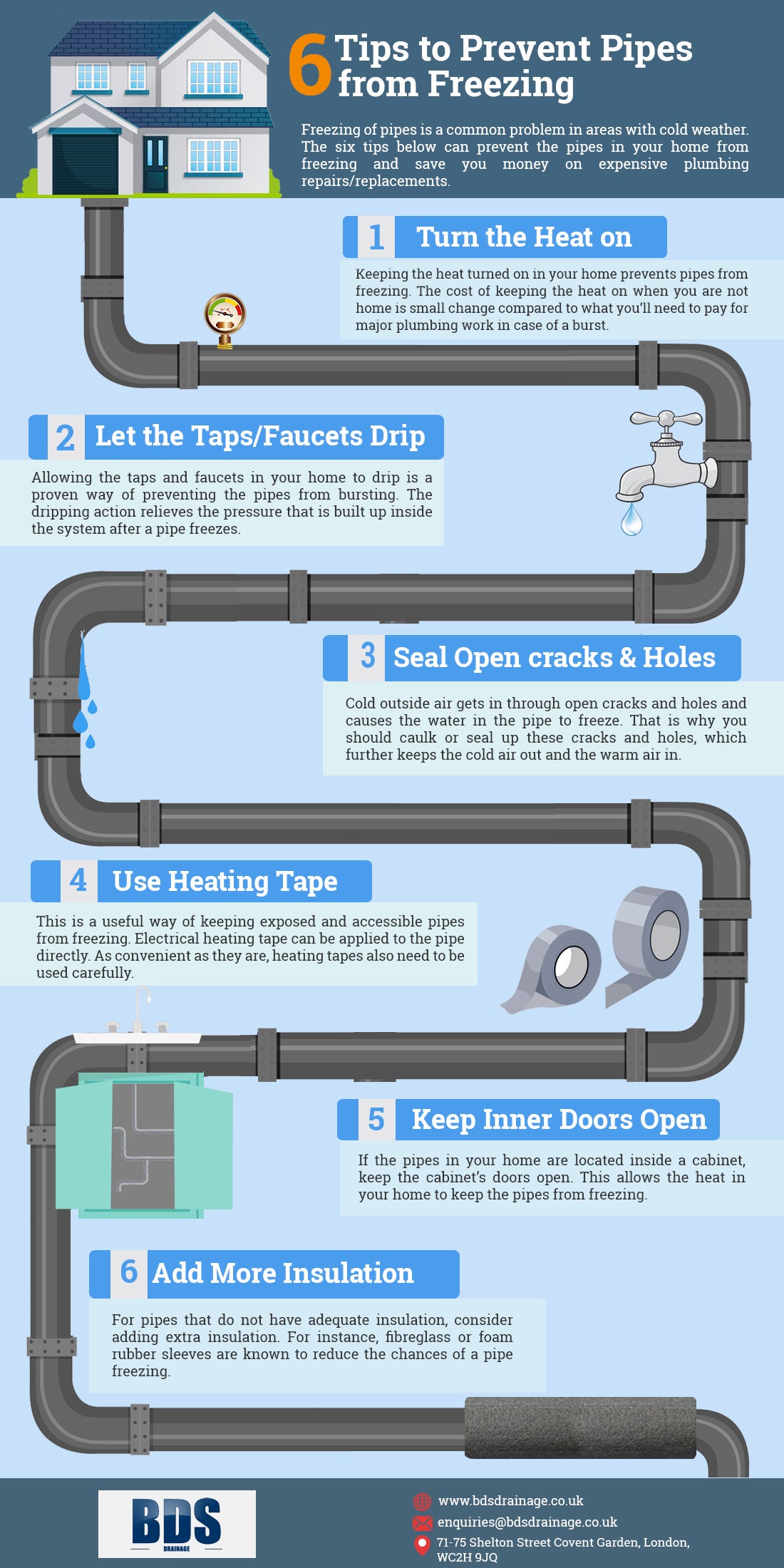
Insulating your pipes is one of the best ways to keep them from freezing. Use foam pipe sleeves or fiberglass wrap to cover pipes in unheated areas like basements or crawl spaces. This simple step can keep your pipes warm enough to avoid freezing, even in harsh weather.
Have you checked if your insulation is still intact? Sometimes, damaged or missing insulation leads to cold spots that can freeze faster than you expect.
Using Heating Tape
Heating tape works like an electric blanket for your pipes. Wrap it around vulnerable pipes and plug it in to provide consistent warmth. Make sure to buy heating tape rated for your pipe type and follow the manufacturer’s instructions carefully.
Heating tape is especially useful for pipes located in crawl spaces or attics, where temperatures can drop quickly. It’s a small investment that can save you a big headache.
Letting Faucets Drip
Allowing a slow drip from your faucets can prevent water from freezing inside the pipes. Moving water is less likely to freeze, so even a small flow helps. This tip is easy to implement and often overlooked until it’s too late.
Try this during cold nights if you know certain pipes are at risk. Can a few drops per minute really make a difference? Yes, it can.
Sealing Drafts
Cold air sneaking in through cracks and gaps can chill your pipes. Use weatherstripping or caulk to seal gaps around windows, doors, and any openings near pipes. This reduces cold drafts that lower the temperature around your plumbing.
Check areas around plumbing vents and electrical outlets too. Sealing these small openings can create a warmer environment for your pipes.
Maintaining Home Temperature
Keeping your home at a consistent temperature is key to pipe protection. Avoid lowering the thermostat too much, especially overnight or when you are away. Even a slight drop in temperature can increase the risk of freezing pipes.
Do you leave your heat off during winter trips? Consider leaving it on at a low setting to keep your pipes safe. It’s a simple way to prevent costly repairs.
When Opening Cabinets Helps
Opening cabinets can help protect pipes from freezing in some cases. It allows warmer air from the room to reach the pipes. This air movement can raise the temperature around the plumbing. Warmer air reduces the chance of ice forming inside the pipes. Knowing when this method helps the most is key to preventing frozen pipes effectively.
Best Situations To Open Cabinets
Opening cabinets works best in areas where pipes run through cold spaces. Kitchens and bathrooms often have pipes behind cabinets. These spots can get cold in winter. Opening cabinet doors lets heat from the room warm these pipes. This method is useful when:
- The home’s heating system is on and rooms are warm.
- Pipes are close to exterior walls or cold areas.
- Insulation around pipes is thin or missing.
This simple step can reduce the risk of freezing during cold spells.
Combining Methods For Effectiveness
Opening cabinets works better with other precautions. Use pipe insulation to add protection. Keep the home temperature steady, especially at night. Let faucets drip slowly to keep water moving. These actions together lower freeze risk more than one alone.
Use a space heater near vulnerable pipes if safe to do so. Seal gaps around pipes and walls to block cold air. Each method adds a layer of defense against freezing. This combination helps keep your plumbing safe through winter.
Signs Of Frozen Or Burst Pipes
Frozen or burst pipes can cause serious damage before you even realize there’s a problem. Recognizing the signs early can save you from costly repairs and water damage. Knowing what to look for helps you act fast and protect your home.
Detecting Freezing Early
One clear sign of freezing pipes is reduced water flow or no water coming out at all. You might notice unusual noises like banging or clanking inside the walls when you turn on the faucet. Keep an eye out for frost or ice on exposed pipes, especially under sinks or in cabinets.
Another warning is a sudden drop in water pressure. If your water feels colder than usual or your taps sputter air, it’s time to check your pipes. Have you ever opened a cabinet and found the pipes inside covered in ice? That’s a red flag you shouldn’t ignore.
Immediate Actions To Take
If you suspect a pipe is frozen, don’t delay warming it up. You can use a hairdryer or a portable heater aimed at the pipe, but never use an open flame. Opening cabinet doors under sinks can increase air circulation and help warm the pipes faster.
Turn on the faucet to a slow drip to keep water moving and reduce pressure buildup. If you see water leaking or hear the sound of running water when faucets are off, shut off your main water supply immediately. Then, call a plumber to inspect for any burst pipes before the damage worsens.
Long-term Solutions For Pipe Protection
Opening cabinets can help keep pipes from freezing temporarily. For lasting protection, consider long-term solutions. These methods guard pipes against cold weather year after year. They also prevent costly repairs and water damage.
Upgrading Insulation
Insulation keeps heat around pipes and blocks cold air. Use foam sleeves or fiberglass wrap for visible pipes. Walls and crawl spaces benefit from thicker insulation. This reduces heat loss and keeps pipes warmer. Insulation is affordable and easy to install. It works well in areas prone to freezing temperatures.
Professional Maintenance
Experts inspect pipes and heating systems regularly. They find weak spots before problems start. Maintenance includes sealing gaps and checking pipe supports. Professionals ensure pipes stay dry and heat stays in. Scheduling annual checkups helps avoid frozen pipe disasters. This service saves money on emergency repairs later.
Installing Pipe Heating Systems
Electric heating cables wrap around pipes to provide warmth. Some systems have thermostats that turn heat on and off automatically. These systems work well in very cold areas. Installation requires care to avoid damage to pipes. Heating cables keep water flowing even in extreme cold. They are a reliable choice for homes with freezing risks.
Credit: medium.com
Frequently Asked Questions
Does Opening Cabinets Prevent Pipes From Freezing?
Opening cabinets allows warm air to circulate around pipes. This helps keep them above freezing temperatures and reduces the risk of freezing. It is a simple and effective method to protect pipes during cold weather.
Which Cabinets Should Be Opened To Protect Pipes?
Open cabinets under sinks and near exterior walls. These areas often house vulnerable pipes exposed to cold air. Opening these cabinets helps warm air reach the pipes and prevents freezing.
Does Opening Cabinets Alone Stop Pipes From Freezing?
Opening cabinets helps but may not fully prevent freezing. Combine it with other methods like insulation and dripping faucets. These steps provide better protection against freezing pipes in extreme cold.
Is Opening Cabinets Energy Efficient In Winter?
Opening cabinets can slightly increase heating costs. Warm air circulates into cold cabinet spaces, requiring more heat. However, this small energy use is worth preventing costly pipe damage.
Conclusion
Opening cabinets can help prevent pipes from freezing. It allows warm air to circulate. This keeps the pipes warm and reduces freezing risk. Simple actions like this can save you trouble. Avoid burst pipes by keeping cabinet doors open. Always monitor the temperature in your home.
Insulation and heat are crucial during cold weather. With these tips, you can protect your pipes. Stay prepared and keep your home safe. A small step can make a big difference. Stay warm and worry-free this winter.