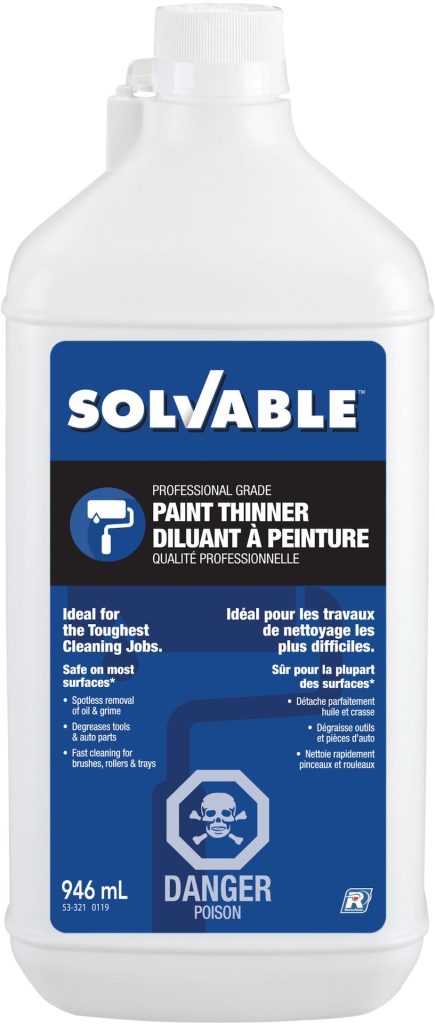
Have you ever wondered if paint thinner can freeze? You’re not alone.
Whether you’re an artist trying to preserve your supplies or a homeowner preparing for winter, understanding how paint thinner reacts to cold temperatures is essential. You might think that, like water, it would turn solid when the temperature drops. But what really happens?
Imagine the frustration of reaching for your paint thinner only to find it unusable. Don’t let this happen to you. We’ll explore the science behind paint thinner, its freezing point, and what you can do to protect your supplies. Stay with us to discover how to ensure your paint thinner is always ready when you need it.

Credit: www.canadiantire.ca
What Is Paint Thinner
Paint thinner is a common liquid used in painting and cleaning. It helps to thin oil-based paints and clean brushes after use. This solvent makes paint easier to apply and clean up.
Paint thinner is usually made from chemicals like mineral spirits or turpentine. These substances dissolve thick paint and remove sticky residues.
Types Of Paint Thinner
- Mineral Spirits: A refined petroleum product, less smelly and safer.
- Turpentine: Made from pine tree resin, strong odor and fast evaporating.
- Acetone: A very strong solvent, used for heavy cleaning.
- Other Solvents: Various blends depending on the use.
Uses Of Paint Thinner
- Thinning oil-based paints for smooth application.
- Cleaning paint brushes and tools after painting.
- Removing paint spills or stains from surfaces.
- Preparing surfaces before painting by removing grease or dirt.
Safety Precautions
- Use in a well-ventilated area to avoid fumes.
- Wear gloves to protect your skin.
- Keep away from open flames; it is flammable.
- Store in a cool, dry place to maintain quality.
Freezing Point Of Paint Thinner
Understanding the freezing point of paint thinner can save you from a lot of hassle, especially if you store it in cold environments. Knowing whether paint thinner freezes helps you decide how to store it properly and maintain its effectiveness. Let’s dive into what happens to paint thinner in low temperatures and why it matters for your projects.
What Is The Freezing Point Of Paint Thinner?
Paint thinner is typically made from mineral spirits or other petroleum-based solvents. These substances have low freezing points, often well below the temperature of a standard household freezer. In fact, most paint thinners don’t freeze until they reach temperatures around -60°F (-51°C), which is far colder than most residential settings.
Why Paint Thinner Rarely Freezes In Normal Conditions
Because paint thinner’s freezing point is so low, it won’t turn solid in typical winter weather or even in most unheated garages. If you’ve ever left a can of paint thinner outside in winter and found it just as liquid as before, this explains why. The risk of freezing is minimal unless you live somewhere with extreme cold.
How Freezing Affects Paint Thinner Quality
Even if paint thinner does freeze under extreme cold, it usually returns to its liquid state without losing quality once warmed. However, repeated freezing and thawing might cause separation or changes in chemical balance. Always check the consistency before use to ensure it still mixes well with your paint.
Tips To Protect Your Paint Thinner In Cold Weather
- Store cans indoors or in insulated spaces to avoid extreme cold exposure.
- Keep containers tightly sealed to prevent moisture contamination.
- If you suspect freezing, warm the paint thinner gradually to room temperature before use.
Have you ever worried about your paint supplies surviving the winter? Knowing the freezing point of paint thinner gives you peace of mind and helps maintain your materials’ quality no matter the season.
Factors Affecting Paint Thinner Freezing
Understanding the factors that affect paint thinner freezing helps in safe storage and use. Paint thinner does not freeze like water but can become thick or gel-like under cold temperatures. Various elements influence this change, making some thinners more resistant to freezing than others.
Chemical Composition
Paint thinner is a mix of chemicals, usually solvents like mineral spirits or acetone. Each chemical has its own freezing point. A thinner with more volatile solvents freezes at lower temperatures. Additives can also change the freezing behavior by preventing crystals from forming. The exact formula determines how cold it can get before thickening.
Storage Conditions
Storage plays a key role in paint thinner’s condition. Containers that are not sealed tightly let moisture and air in. This can cause the thinner to change consistency or freeze faster. Storing thinner in a warm place keeps it liquid and effective. Avoid places with temperature swings to maintain its quality.
Temperature Extremes
Extreme cold affects paint thinner more than mild chill. At very low temperatures, even low-freezing thinners can become gel-like. Prolonged exposure to cold makes the solvents separate or crystallize. Sudden temperature drops can cause containers to crack or burst. Keeping paint thinner above its freezing point prevents damage and loss of use.

Credit: squadron.com
Effects Of Freezing On Paint Thinner
Freezing can have a noticeable impact on paint thinner, affecting how it behaves and how safe it is to use. Understanding these effects helps you decide if your paint thinner is still good after a cold snap or if it’s time to get a fresh batch. Let’s look closely at what freezing does to paint thinner.
Performance Changes
When paint thinner freezes, its chemical makeup may separate or crystallize. This can cause it to lose its smooth consistency and affect how well it thins paint or cleans brushes.
You might notice it becomes thicker or grainy after thawing, which can reduce its effectiveness. Have you ever tried using a product after it sat in the cold and found it just didn’t work the same? That’s exactly what happens with frozen paint thinner.
Safety Concerns
Freezing paint thinner can also lead to safety issues. Changes in its composition may increase the risk of flammable vapors or unexpected reactions when you use it.
It’s important to store paint thinner in a place where it won’t freeze, not just to keep it effective but to keep you safe. You don’t want to take a chance on something that might behave unpredictably or become hazardous.
Usability After Thawing
Once paint thinner thaws, it might not return to its original state. You could see separation, cloudiness, or sediment at the bottom of the container.
Before you decide to use thawed paint thinner, give it a good stir and check for changes in smell or texture. If it looks or smells off, it’s safer to discard it rather than risk a poor finish or safety hazard.
Preventing Paint Thinner From Freezing
Preventing paint thinner from freezing is essential to maintain its effectiveness and extend its shelf life. Freezing can cause changes in consistency and performance, making your projects more difficult and less predictable. Taking simple steps to protect your paint thinner can save you time and frustration down the road.
Proper Storage Tips
Store paint thinner in a tightly sealed container to avoid moisture contamination. Choose containers made of materials that can withstand temperature changes without cracking.
Keep the container off cold floors or unheated garages. Instead, place it on a shelf or inside a cupboard where temperatures are more stable. This small change can make a significant difference in preventing freezing.
Temperature Control
Maintain storage temperatures above the freezing point of paint thinner, typically around -20°F (-29°C), but it’s safer to keep it closer to room temperature. If your area experiences harsh winters, consider using a heated storage space or insulated box.
Do you have a spot in your home that stays warm year-round? That’s your best bet for storing paint thinner safely through the winter months. Avoid outdoor sheds or unheated basements where temperatures fluctuate drastically.
Using Additives
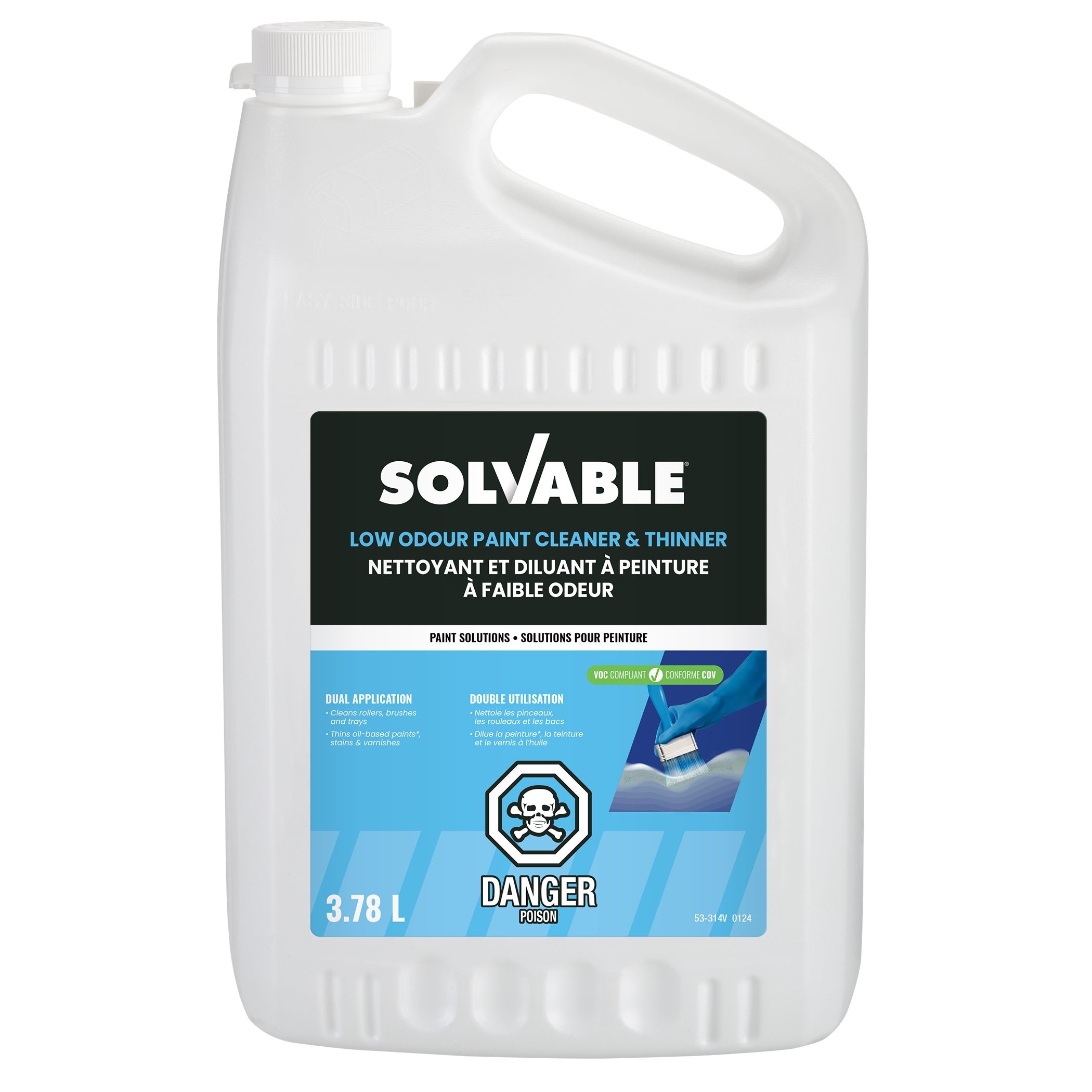
Some additives can lower the freezing point of paint thinner, keeping it liquid in colder conditions. These are usually available at hardware stores or specialty chemical suppliers.
Be cautious when adding anything to your paint thinner—always check compatibility to ensure it won’t affect your project’s outcome. Have you ever experimented with additives to keep your supplies in better shape? Sharing your experience could help others avoid common pitfalls.
Credit: www.canadiantire.ca
Handling Frozen Paint Thinner Safely
Handling frozen paint thinner requires care to keep safety and product quality intact. Frozen paint thinner can change texture and performance. Knowing how to thaw and dispose of it properly protects you and the environment.
Thawing Methods
Thaw frozen paint thinner slowly at room temperature. Avoid using heat sources like stoves or heaters. Rapid heating may cause fumes or damage the container.
Place the container in a warm, dry spot. Let it sit until fully liquid again. Gently shake the container to mix any separated parts.
Never open the container while frozen or partially thawed. Pressure may build and cause spills or accidents.
Disposal Guidelines
Do not pour paint thinner down drains or on soil. It harms water and land ecosystems.
Check local waste regulations for hazardous material disposal. Many areas have special collection sites for paint thinners.
- Use a sealed container for disposal.
- Label it clearly as hazardous waste.
- Transport it carefully to the designated facility.
Proper disposal prevents health risks and environmental damage. Always handle leftover or frozen paint thinner responsibly.
Frequently Asked Questions
Does Paint Thinner Freeze In Cold Weather?
Paint thinner has a low freezing point, so it rarely freezes in cold weather. It remains liquid even at temperatures below freezing, making it safe for winter use and storage.
What Temperature Causes Paint Thinner To Freeze?
Paint thinner typically freezes below -20°C (-4°F). Most common paint thinners stay liquid at normal winter temperatures, preventing freezing issues during cold conditions.
How Does Freezing Affect Paint Thinner Quality?
Freezing can cause paint thinner to separate or become cloudy. However, once thawed and mixed, its effectiveness usually returns without permanent damage.
Can Frozen Paint Thinner Be Safely Used?
Yes, frozen paint thinner can be used after thawing completely. Shake well to ensure a uniform mixture before applying it to paint or surfaces.
Conclusion
Paint thinner usually does not freeze in normal cold weather. It has chemicals that keep it liquid at low temperatures. Still, very strong cold can make it thicken or become cloudy. Store paint thinner in a cool, dry place to keep it good.
Avoid leaving it outside in freezing weather. Taking care helps paint thinner last longer and work better. Now, you know how cold affects paint thinner. Use this knowledge to store and handle it safely. Simple steps can save your supplies and prevent problems.