
Have you ever found yourself standing in your kitchen, gazing at a delicious homemade peach cobbler, and wondering, “Does this need to go in the fridge?” You’re not alone.
This common question can leave many home bakers scratching their heads. Storing peach cobbler the right way not only ensures its freshness but also its taste and safety. As you savor the sweet, juicy flavors of your cobbler, you want to ensure it’s in its best condition for as long as possible.
Dive into this article to uncover whether your peach cobbler truly needs to be refrigerated and discover tips that will keep your dessert as delightful as it was on day one. Don’t let uncertainty spoil your peach cobbler experience; let’s get to the juicy truth!
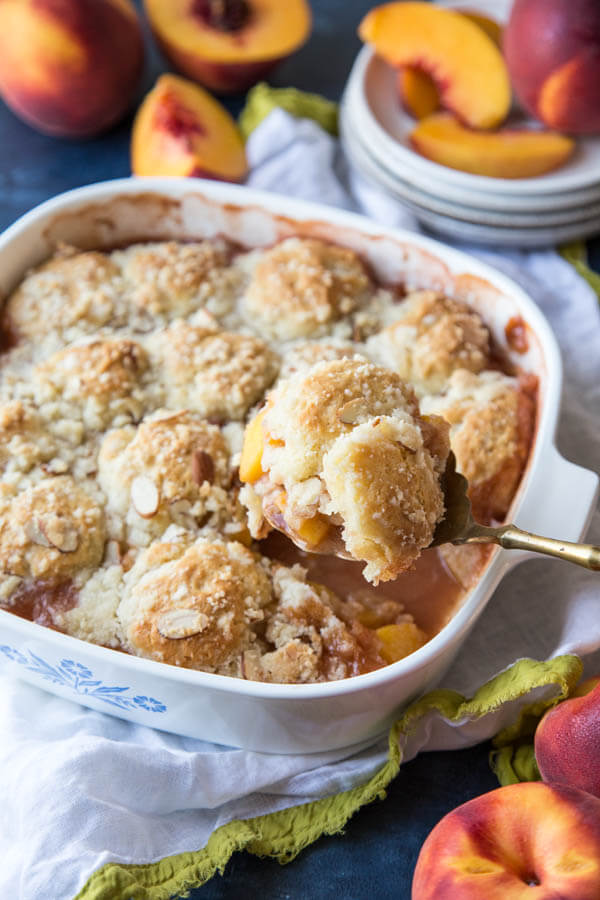
Credit: wildwildwhisk.com
Peach Cobbler Basics
Peach cobbler is a beloved dessert with a rich history. It combines fresh peaches and a sweet dough or biscuit topping. Understanding the basics helps keep it fresh and tasty. Two main factors affect its storage: ingredients and the baking process. Both influence whether it needs refrigeration or not.
Ingredients And Moisture Content
Peach cobbler includes fruit, sugar, and dough. Peaches release a lot of juice during baking. This juice adds moisture to the dish. The dough or biscuit topping absorbs some juice but stays soft and crumbly.
High moisture content means the cobbler can spoil quickly. Sugar acts as a preservative but not enough to stop bacteria growth. Dairy or eggs in the dough increase the need for refrigeration. Fresh peaches and their juices create a moist environment, perfect for bacteria growth if left out too long.
Baking And Cooling Process
Baking cooks the peaches and dough thoroughly. This kills most bacteria present before baking. However, once baked, the cobbler cools down and becomes vulnerable to new bacteria. Cooling should happen at room temperature for a short time only. Leaving the cobbler out too long invites bacterial growth.
Cooling also affects texture. Warm cobbler is softer and juicier. Refrigeration firms it up but keeps it safe. Proper cooling and storage are essential to keep peach cobbler fresh and delicious.
Refrigeration Needs
Understanding the refrigeration needs of peach cobbler is key to keeping it delicious and safe to eat. Whether you made a big batch or just a small one, knowing when and how to store it can save you from wasting food or risking your health. Let’s break down exactly when you should refrigerate peach cobbler and what happens if you don’t.
When To Refrigerate Peach Cobbler
If your peach cobbler contains dairy ingredients like butter, cream, or custard, it’s best to refrigerate it within two hours of baking. Even if it’s just peaches, sugar, and a simple crust, refrigeration helps maintain freshness after the first day.
Leaving it at room temperature for a few hours is okay, especially if you plan to eat it soon. But if you want to enjoy it for several days, wrapping it tightly and placing it in the fridge is the safest bet.
Personally, I once left a cobbler out overnight because I wasn’t sure if it needed refrigeration. The next day, it tasted off and was soggy. Storing it properly from the start would have kept it fresh and tasty.
Risks Of Leaving It Out
Leaving peach cobbler out too long invites bacteria growth, especially if it has dairy or eggs. This can lead to foodborne illness, which is something you definitely want to avoid.
Besides health risks, the texture suffers. The crust can become mushy, and the fruit filling may ferment, causing unpleasant flavors.
Ask yourself: is it worth risking your health and the quality of your dessert just to skip refrigeration? Usually, the answer is no, especially when storing peach cobbler properly is so simple.
Storage Methods
Knowing how to store your peach cobbler properly can make a big difference in taste and safety. Different storage options affect texture and freshness in various ways. Let’s look at the best ways to keep your dessert delicious, whether you plan to eat it soon or save it for later.
Room Temperature Storage
Peach cobbler can stay fresh at room temperature for up to two days if covered tightly. Use a cake dome or wrap it with plastic wrap to keep air out. Leaving it out longer risks spoilage and changes in texture.
Have you noticed how the crust can become soggy if left uncovered? Covering it properly keeps the crust crisp and the fruit juicy, preserving the cobbler’s original charm.
Using The Refrigerator
Refrigeration extends peach cobbler’s freshness for about 4 to 5 days. Place it in an airtight container or cover it well with foil to prevent it from drying out. The fridge helps slow down bacterial growth but can sometimes soften the crust.
To bring back some crispness, try reheating the cobbler in the oven rather than the microwave. This small step can make a big difference in texture and flavor.
Freezing For Long-term Storage
Freezing peach cobbler is ideal if you want to keep it for several months. Wrap individual portions tightly with plastic wrap and then foil, or store the whole cobbler in a freezer-safe container. Label it with the date to avoid forgetting how long it’s been stored.
When you’re ready to enjoy it, thaw the cobbler overnight in the fridge and warm it in the oven. This method preserves flavor and texture much better than microwaving after freezing.
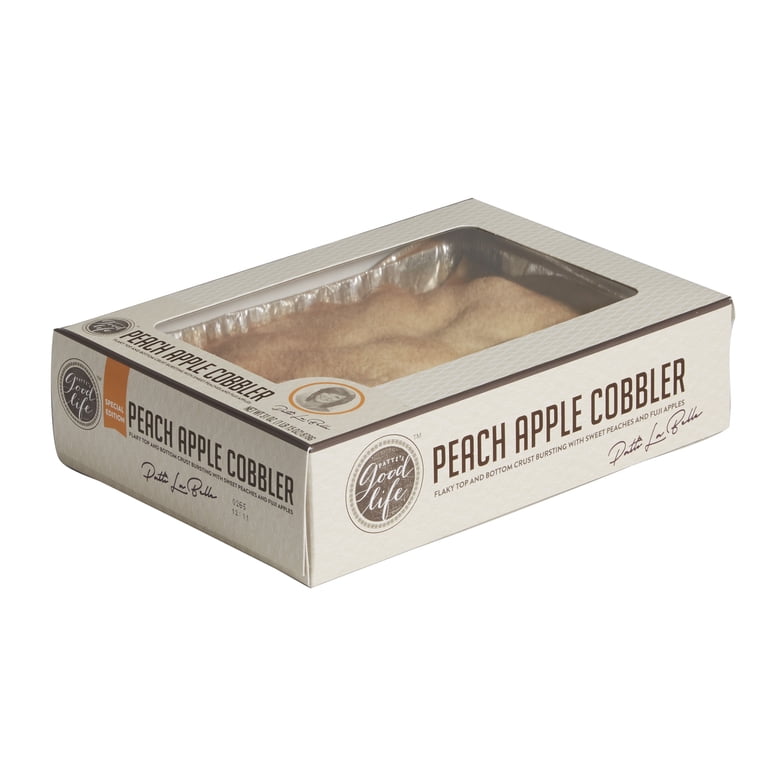
Credit: www.walmart.com
Shelf Life Expectations
Understanding how long peach cobbler stays fresh can save you from wasting delicious leftovers. Shelf life depends greatly on storage methods, which affect both taste and safety. Let’s break down how long you can expect your cobbler to last under different conditions.
Fresh Cobbler Duration
Once you bake your peach cobbler, it stays good at room temperature for about 2 hours. Beyond that, bacteria can start to grow, especially because of the fruit and sugar content. If you plan to enjoy it later, it’s best to refrigerate it within this time frame.
Have you ever left cobbler out overnight and noticed it turning sour or mushy? That’s a clear sign it’s gone bad. So, keep an eye on the clock after baking to protect both flavor and your health.
After Refrigeration
Refrigerated peach cobbler can last for 3 to 4 days if stored properly in an airtight container. This keeps the crust from becoming soggy and preserves the fruit’s freshness. Eating cobbler within this window ensures you get the best taste and texture.
If you find your cobbler has developed an off smell or mold, it’s time to toss it. Have you noticed how refrigeration slows down spoilage but doesn’t stop it completely? That’s why timely consumption matters.
Frozen Cobbler Timeline
Freezing peach cobbler extends its shelf life significantly, up to 2 to 3 months. Wrap it tightly in plastic wrap and aluminum foil or use a freezer-safe container to prevent freezer burn. When ready to eat, thaw it in the fridge overnight to maintain quality.
Have you ever tried reheating frozen cobbler and found the crust less crisp? Try reheating it in the oven instead of a microwave to revive that fresh-baked texture. Freezing is a great way to keep cobbler on hand without rushing to finish it.
Reheating Tips
Reheating peach cobbler can bring back its fresh-baked warmth and delicious aroma. However, doing it the right way is key to preserving its soft peaches and crispy topping. Here are some practical tips to help you enjoy your cobbler as if it was just made.
Oven Reheating
The oven is often the best choice to reheat peach cobbler evenly. Preheat your oven to 350°F (175°C) and cover the dish loosely with foil to prevent the topping from burning.
Heat the cobbler for about 15-20 minutes. This method keeps the crust crisp and the filling warm without drying it out.
Microwave Tips
If you’re short on time, the microwave works well but requires care. Place a microwave-safe plate under your serving of cobbler and cover it with a microwave-safe lid or paper towel.
Heat on medium power for 30-45 seconds, then check the temperature. Repeat in short bursts to avoid overheating and turning the topping soggy.
Maintaining Texture And Flavor
To keep the texture just right, think about adding a small dab of butter on top before reheating in the oven. This adds moisture and richness.
Also, avoid reheating the cobbler multiple times as this can make the fruit mushy and the crust tough. How do you like your cobbler—extra crispy or soft and gooey? Adjust your reheating accordingly.
Signs Of Spoilage
Knowing when your peach cobbler has gone bad can save you from an unpleasant experience—and potential stomach upset. Spoiled cobbler doesn’t always look or smell obviously off at first, so you need to be attentive to subtle clues. Let’s break down the key signs that your dessert has passed its prime.
Visual Indicators
Start by checking the appearance of your peach cobbler. If you see any discoloration, such as dark spots or a dull, faded look, it might be a warning sign. The crust should stay golden and flaky; if it’s soggy or has an unusual texture, that’s another red flag.
Also, watch out for any liquid separation or excessive moisture pooling around the edges. This can indicate that the fruit has started to break down beyond freshness. Have you ever spotted a weird film or sticky residue on top? That’s a clear sign to toss it.
Smell And Taste Changes
Fresh peach cobbler has a sweet, fruity aroma that invites you to dig in. If your cobbler smells sour, fermented, or just “off,” it’s best not to taste it. Sometimes the smell changes subtly, so pay close attention to any unexpected sour or yeasty notes.
When it comes to taste, avoid sampling if you have any doubt. A sour or bitter flavor means bacteria or yeast have started to grow. Why risk your health for a few bites? Trust your nose and skip it if something feels wrong.
Mold And Bacterial Growth
Mold often appears as fuzzy patches in white, green, blue, or black. Even a tiny spot means the entire dish is contaminated and unsafe to eat. Don’t try to scrape off mold; harmful bacteria can spread deeper than you see.
Bacterial growth might not always look like mold but can cause sliminess or an unpleasant texture. If your cobbler feels sticky or sticky in places it shouldn’t, that’s a sign of spoilage. How often do you check your leftovers for these warning signs before eating?

Credit: www.organizedisland.com
Frequently Asked Questions
Does Peach Cobbler Need Refrigeration After Baking?
Yes, peach cobbler should be refrigerated after baking. Cooling it at room temperature for two hours is fine. Then, store it in an airtight container in the fridge to keep it fresh and safe from bacteria.
How Long Can Peach Cobbler Stay Unrefrigerated?
Peach cobbler can stay unrefrigerated for up to two hours. Beyond that, bacteria can grow, making it unsafe to eat. Always refrigerate leftovers promptly to maintain quality and prevent foodborne illness.
Can I Leave Peach Cobbler Out Overnight?
No, you should not leave peach cobbler out overnight. Leaving it out for more than two hours increases the risk of spoilage and harmful bacteria growth. Refrigerate any leftovers as soon as possible.
How Long Does Refrigerated Peach Cobbler Last?
Refrigerated peach cobbler lasts for 3 to 4 days. Keep it covered tightly in the fridge to maintain freshness. Consume within this timeframe for best taste and safety.
Conclusion
Peach cobbler tastes best when fresh and warm. Storing it properly keeps it safe to eat. Always cool the cobbler before putting it in the fridge. Refrigeration helps prevent spoilage and keeps flavors intact. Eat leftovers within a few days for the best taste.
Avoid leaving cobbler out too long at room temperature. Proper storage means you can enjoy peach cobbler later. Simple care keeps this dessert delicious and safe. Now you know how to store peach cobbler right.