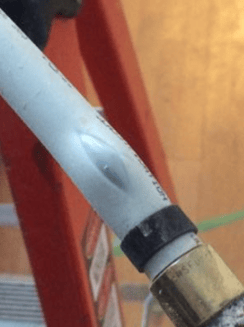
Have you ever worried about your pipes bursting when the temperature drops? If you use PEX pipe in your home, you might be wondering—does PEX pipe freeze?
Understanding how PEX pipes react to cold weather can save you from costly repairs and sleepless nights. You’ll discover the truth about PEX pipes and freezing, learn how to protect your plumbing, and find simple tips to keep your water flowing no matter how cold it gets.
Keep reading—your home’s safety depends on it.
Pex Pipe Basics
Pex pipe is a popular choice for plumbing in homes today. Understanding its basics helps in knowing why it is favored. This section covers what Pex pipe is and its key benefits.
What Is Pex Pipe
Pex stands for cross-linked polyethylene. It is a flexible plastic pipe used for water supply lines. Pex pipe resists corrosion and scaling. It can bend around corners, reducing the need for fittings. This flexibility makes installation easier and faster. Pex pipes come in different sizes and colors for hot and cold water.
Benefits Of Using Pex Pipe
- Easy to install due to its flexibility
- Resistant to freezing and bursting compared to metal pipes
- Does not corrode or develop scale buildup
- Less noisy when water flows through
- Cost-effective material and installation
- Durable and long-lasting in most conditions

Credit: www.pmmag.com
Freezing Risks For Pex Pipe
Pex pipes are popular for plumbing due to their flexibility and durability. Despite these benefits, freezing temperatures can still pose risks. Understanding how freezing affects pex pipes helps prevent damage and costly repairs. Knowing the risks also guides proper precautions during cold weather.
How Freezing Affects Pex Pipe
Water inside pex pipes expands as it freezes. This expansion can stretch the pipe beyond its limits. Pex pipes can handle some stretching because they are flexible. But extreme cold can cause cracks or bursts. Small cracks may lead to leaks over time. Complete bursts can cause major water damage.
Repeated freezing and thawing weaken the pipe material. Over time, this reduces the pipe’s lifespan. Pex does not become brittle as fast as metal pipes. Still, severe cold can cause permanent damage. Protecting pex pipes in unheated areas is essential.
Comparison With Other Pipes
| Pipe Type | Freezing Risk | Damage Type | Durability in Cold |
|---|---|---|---|
| Pex | Lower | Possible cracks and bursts | More flexible, resists breaking |
| Copper | Higher | Often bursts due to expansion | Rigid, prone to cracking |
| PVC | Moderate | Cracks and splits | Less flexible, can shatter |
Pex pipes are better at handling freezing than copper or PVC. Flexibility helps reduce burst risks. Still, no pipe is completely safe from freezing damage. Proper insulation and heating prevent pipe failures.
Signs Of Frozen Pex Pipes
Noticing the signs of frozen PEX pipes early can save you from costly repairs and water damage. Frozen pipes restrict water flow and can burst if left unattended. Learning what to look for helps you act quickly and protect your home’s plumbing system.
Common Symptoms
One of the first signs you might notice is a sudden drop in water pressure or no water flow at all from your faucets. Pipes that feel unusually cold to the touch, especially in unheated areas like basements or crawl spaces, could be frozen. You might also hear strange noises—like banging or gurgling—when you try to run water.
Have you ever experienced a faucet that drips slowly or sputters when turned on during cold weather? These are classic hints that ice is blocking the pipe. Don’t ignore these warning signs; they often show up before more serious problems develop.
Detecting Frozen Sections
Identifying the exact spot where the PEX pipe is frozen is crucial. Look for frost buildup or ice on the outside of the pipe. Areas near windows, exterior walls, or where pipes run through unheated spaces are common freeze points.
Using a flashlight can help you spot ice inside walls or behind cabinets without tearing anything apart. If you notice a bulge or crack in the pipe, it’s a clear sign the ice expansion is causing damage. Have you checked the temperature around your pipes lately? Small changes can make a big difference.
Preventing Pex Pipe Freezing
Preventing Pex pipe freezing is essential to avoid costly repairs and water damage. Pipes can freeze when the temperature drops, causing water inside to expand and crack the pipe. Taking steps to protect Pex pipes helps maintain a steady water flow and protects your home.
Insulation Techniques
Insulating Pex pipes keeps cold air away and preserves heat. Use foam pipe sleeves or fiberglass wrap around exposed pipes. Seal gaps near walls and floors to block cold drafts. Focus on pipes in unheated areas like basements, attics, and crawl spaces.
Maintaining Proper Temperature
Keep the home temperature above freezing to protect pipes. Let faucets drip slightly during extreme cold to keep water moving. Open cabinet doors under sinks to allow warm air to circulate around pipes. Close garage doors to prevent cold air from entering.
Using Heat Tape And Other Tools
Heat tape provides direct warmth to pipes in cold spots. Choose heat tape designed for Pex pipes and follow installation instructions carefully. Use thermostats with heat tape to control temperature and save energy. Portable heaters can help in areas without built-in heat.
Thawing Frozen Pex Pipes
Thawing frozen PEX pipes requires care to avoid damage. PEX is flexible and resistant, but extreme heat can still harm it. Use gentle methods to restore water flow safely. Act quickly to prevent pipe bursts and water damage. Understanding how to thaw frozen pipes helps keep your plumbing intact.
Safe Thawing Methods
Apply warmth slowly and evenly. Use a hair dryer on low heat, moving it along the pipe. Warm towels wrapped around the pipe also work well. Space heaters placed nearby can raise the room temperature. Heat lamps or electric heating pads provide steady warmth. Keep water running slightly to help melt ice faster.
- Use low heat devices only.
- Move heat source constantly to avoid hot spots.
- Keep the area well ventilated.
- Monitor the pipe temperature closely.
What To Avoid During Thawing
Do not use open flames like torches or candles. High heat can melt or warp PEX pipes. Avoid using boiling water directly on pipes; sudden heat causes cracking. Never leave heat sources unattended near pipes. Do not apply excessive force to frozen pipes. Avoid sharp tools to break ice inside pipes.
- No open flames or direct fire.
- No boiling water or sudden heat changes.
- No unattended heating devices.
- No physical damage to pipes.
Repairing Damage From Freezing
Repairing damage from freezing is crucial for maintaining your plumbing system. PEX pipes resist freezing better than metal pipes but can still suffer harm if ice forms inside. Addressing this damage quickly prevents leaks and costly repairs.
Common Damage Types
- Cracks or splits in the pipe walls
- Leaks at fittings or joints
- Bulging or swelling of the pipe
- Reduced water flow due to blockages
Damage often shows as visible cracks or water pooling near pipes. Freezing expands water, causing pipes to stretch and break. Watch for slow leaks or damp spots that indicate hidden problems.
Diy Vs Professional Repairs
Small cracks or leaks can sometimes be fixed with DIY methods. Using pipe repair tape or clamps offers temporary relief. Replacing short damaged sections is possible for those with basic tools.
Complex damage or multiple leaks require professional help. Experts have tools to detect hidden breaks and replace pipes safely. Hiring a plumber reduces risks of further damage and ensures lasting repairs.
Cost Implications
Understanding the cost implications of PEX pipe freezing helps homeowners make smart choices. Frozen pipes can cause damage that requires costly repairs. Knowing the potential expenses encourages timely action and investment in prevention.
Repair Costs
Repairing frozen PEX pipes can vary in price. Minor leaks might need simple patching or pipe replacement. Extensive damage may require opening walls or floors, increasing labor costs. Water damage repair adds to the overall expense. Emergency plumbing services often charge higher fees. These costs quickly add up without proper care.
Preventative Investment Benefits
Spending money on prevention saves more in the long run. Insulating pipes reduces the chance of freezing and bursting. Heating cables or pipe sleeves are affordable options. Regular maintenance helps detect weak spots early. Prevention avoids emergency calls and costly repairs. Protecting PEX pipes is a wise financial decision.

Credit: www.bobvila.com

Credit: garynsmith.net
Frequently Asked Questions
Can Pex Pipes Freeze In Cold Weather?
Yes, PEX pipes can freeze, but they resist freezing better than metal pipes. They are more flexible and less likely to burst.
How Long Does Pex Pipe Take To Freeze?
The freezing time depends on temperature and pipe insulation. Generally, PEX pipes freeze slower than copper pipes in similar conditions.
What Happens If Pex Pipe Freezes?
Frozen PEX pipes can restrict water flow. However, due to their flexibility, they are less prone to bursting compared to rigid pipes.
How To Prevent Pex Pipes From Freezing?
Insulate PEX pipes properly and maintain indoor temperatures above freezing. Also, allow faucets to drip during extreme cold to prevent freezing.
Conclusion
Pex pipes can freeze in cold conditions. But, they handle freezing better. Their flexibility reduces bursting risks. Insulation helps. Keep pipes warm. Use heat tape or coverings. Dripping faucets prevent freezing. Proper installation matters. Regular checks ensure safety. Be prepared during winter months.
Cold climates need extra care. Pex pipes offer a reliable solution. Yet, vigilance is essential. Protect pipes to avoid damage. A little care goes a long way. Stay informed for best results. Your plumbing will thank you.