Are you tired of waking up with sharp pain in your heel? Plantar fasciitis can make every step feel like a challenge.
You might be wondering, does plantar fasciitis go away on its own? The good news is, understanding how this condition works can put you on the path to relief. You’ll discover what causes plantar fasciitis, how long it might last, and the best ways to help your feet heal faster.
Keep reading—you’re closer than you think to stepping pain-free again.
Credit: ankleandfootcentre.com.au
What Causes Plantar Fasciitis
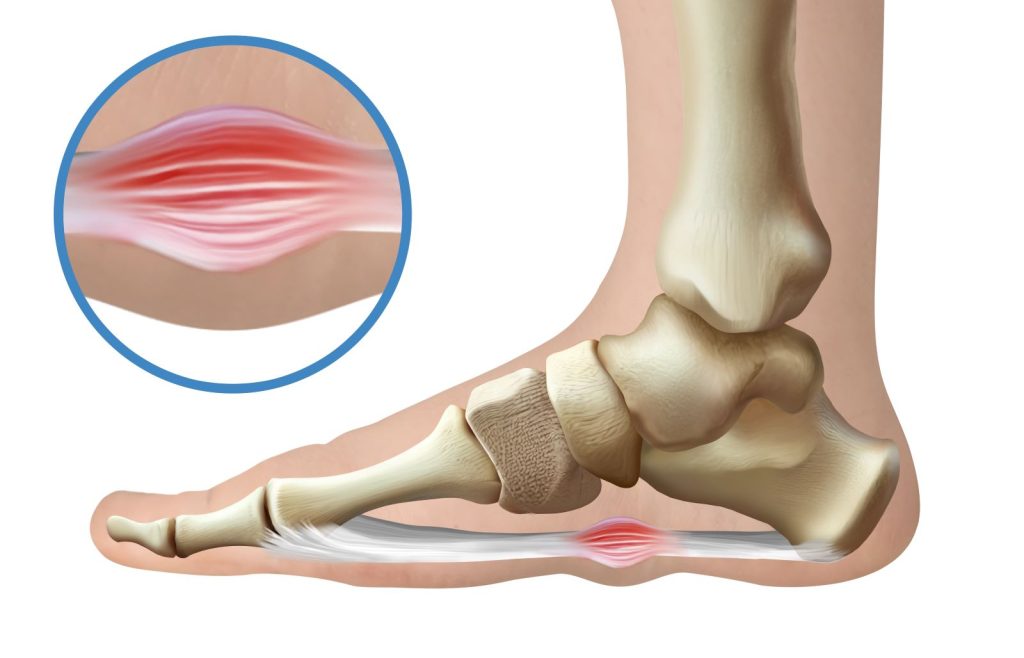
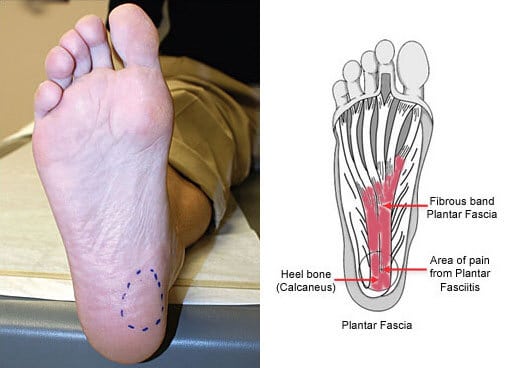
Plantar fasciitis is a common cause of heel pain. It happens when the tissue on the bottom of your foot gets irritated.
This tissue, called the plantar fascia, supports your foot arch. When it is stressed, it can become inflamed and painful.
Role Of Foot Anatomy
Your foot shape and structure can affect plantar fasciitis risk. A high arch or flat foot can put extra pressure on the fascia.
The plantar fascia connects your heel bone to your toes. If this connection is weak or tight, pain may develop.
Common Risk Factors
Some factors increase the chance of plantar fasciitis. These include age, weight, and certain activities.
- Being middle-aged or older
- Carrying extra body weight
- Standing or walking for long hours
- Wearing unsupportive shoes
- Running or jumping frequently
Impact Of Lifestyle Habits
Daily habits can also affect plantar fascia health. Poor footwear and lack of stretching can cause problems.
Ignoring foot pain and overusing your feet can make symptoms worse and slow healing.
- Wearing shoes without arch support
- Not warming up before exercise
- Walking barefoot on hard floors
- Sudden increases in physical activity
- Not resting after foot strain

Credit: www.drbellfootankle.com
Symptoms To Watch For
Plantar fasciitis causes pain in the bottom of your foot. It can make walking or standing hard. Knowing the symptoms helps you get the right care.
Look for changes in how your foot feels. Early signs can help prevent more pain later.
Pain Patterns
The pain from plantar fasciitis usually starts as a sharp or stabbing feeling. It is often worse in the morning or after resting.
You may feel pain at the bottom of your heel or along the arch of your foot. The pain often gets better with movement but can return after long standing or walking.
- Sharp heel pain when first stepping out of bed
- Dull ache after standing or walking for a long time
- Pain that worsens at the end of the day
- Discomfort when climbing stairs or standing on tiptoes
When To Seek Medical Help
If your heel pain does not improve with rest or home care, see a doctor. Early treatment can stop the problem from getting worse.
Seek medical help if the pain is very strong or lasts more than a few weeks. Also, see a doctor if you have swelling, redness, or numbness.
- Pain lasting longer than 6 weeks
- Severe pain that limits walking
- Swelling or redness on the heel
- Numbness or tingling in the foot
- Foot weakness or difficulty moving the foot
Natural Healing Timeline
Plantar fasciitis is a common foot problem. It can cause heel pain. People often wonder if it will go away on its own.
Healing can happen naturally. The timeline can vary for each person. Here, we explore how long it might take.
Typical Recovery Duration
Recovery time for plantar fasciitis can differ. Many people see improvement in a few months. Rest and proper care are important.
Some cases might take longer. It could be several months before full healing occurs. Patience is key.
- 1 to 2 months for mild cases
- 3 to 6 months for moderate cases
- 6 months or more for severe cases
Factors Affecting Healing Speed
Many factors influence how fast plantar fasciitis heals. Knowing these can help manage expectations.
Age and activity levels play a role. Older adults might heal slower. Active individuals may need more rest.
- Age of the person
- Level of physical activity
- Type of footwear used
- Weight and body condition
Effective Home Remedies
Plantar fasciitis causes heel pain that can last for weeks or months. You can ease the pain at home with simple remedies.
These treatments help reduce inflammation and support healing. Try these easy methods to feel better.
Stretching Exercises
Stretching your foot and calf muscles helps relieve plantar fasciitis pain. Do stretches daily to improve flexibility.
- Calf stretch: Stand facing a wall and place your hands on it. Step one foot back and keep it straight. Lean forward to stretch the calf.
- Plantar fascia stretch: Sit down and place your affected foot over the opposite knee. Pull your toes toward you to stretch the arch.
- Towel stretch: Before getting up, use a towel to pull your foot toward you while keeping your knee straight.
Ice Therapy
Applying ice reduces swelling and numbs the pain in your heel. Use ice therapy for 15 to 20 minutes several times a day.
| Ice Therapy Tips | Details |
|---|---|
| Use a cold pack or frozen water bottle | Wrap with cloth to protect skin |
| Apply for 15-20 minutes | Repeat 3-4 times daily |
| Avoid direct contact with ice | Prevent skin damage or frostbite |
Footwear Choices
Wearing the right shoes helps support your feet and reduce strain on the plantar fascia. Avoid walking barefoot on hard surfaces.
- Choose shoes with good arch support
- Pick cushioned soles that absorb shock
- Replace worn-out shoes promptly
- Consider using orthotic inserts for extra support
Medical Treatments That Work
Plantar fasciitis can cause sharp pain in the heel. Medical treatments help reduce pain and heal the tissue. Many people recover fully with proper care.
Treatment focuses on reducing inflammation and improving foot function. Doctors use different methods depending on the severity of the condition.
Physical Therapy Options
Physical therapy helps stretch and strengthen the plantar fascia and surrounding muscles. Therapists use exercises to improve foot flexibility and support.
Common physical therapy techniques include stretching the calf muscles and the bottom of the foot. Strengthening exercises help prevent future injuries.
- Calf stretches to ease tension
- Plantar fascia stretches to reduce tightness
- Strength training for foot and ankle muscles
- Using orthotic devices for support
- Manual therapy to improve tissue mobility
Medications And Injections
Nonsteroidal anti-inflammatory drugs (NSAIDs) help reduce pain and swelling. They provide relief for many people with plantar fasciitis.
In some cases, doctors inject corticosteroids near the painful area. These injections lower inflammation and ease discomfort temporarily.
- Over-the-counter pain relievers like ibuprofen
- Corticosteroid injections for severe pain
- Topical anti-inflammatory creams
- Possible use of platelet-rich plasma (PRP) therapy
Surgical Interventions
Surgery is rare and reserved for cases that do not improve with other treatments. Surgery releases tension in the plantar fascia to reduce pain.
Different surgical methods exist. Recovery time varies, and surgery carries some risks. Doctors recommend this only after months of conservative care.
- Plantar fascia release to cut part of the ligament
- Endoscopic surgery for less invasive treatment
- Removing heel spurs if present
- Post-surgery physical therapy for healing
Preventing Future Flare-ups
Plantar fasciitis pain can return if you do not take care of your feet. Preventing flare-ups means making good habits part of your life.
Simple changes in daily activities and foot care help keep the pain away. Let’s look at how to protect your feet and adjust your actions.
Maintaining Foot Health
Healthy feet reduce the risk of plantar fasciitis flare-ups. You should keep your feet strong and supported to avoid pain.
- Wear shoes with good arch support
- Replace worn-out shoes regularly
- Stretch your calf muscles and feet daily
- Use orthotic inserts if recommended by a doctor
- Keep a healthy weight to reduce pressure on feet
Activity Modifications
Changing how you move can protect your feet. Avoid activities that strain your heel and plantar fascia.
| Activity | How to Modify |
| Running | Run on soft surfaces, reduce distance |
| Jumping | Limit high-impact exercises |
| Standing Long Hours | Take breaks and sit when possible |
| Walking | Wear cushioned shoes and walk on flat paths |

Credit: www.neufoot.com
Frequently Asked Questions
Does Plantar Fasciitis Heal On Its Own?
Plantar fasciitis can improve with rest and home care. Mild cases often resolve within months without medical treatment. Proper footwear and stretching help speed recovery. However, severe cases may need professional intervention to fully heal.
How Long Does Plantar Fasciitis Usually Last?
Plantar fasciitis typically lasts 6 to 12 months. Early treatment and consistent care can shorten this period. Ignoring symptoms may prolong pain and delay healing. Timely action is key to faster recovery.
Can Plantar Fasciitis Come Back After Treatment?
Yes, plantar fasciitis can recur if risk factors persist. Wearing supportive shoes and maintaining foot health prevent flare-ups. Regular stretching and avoiding overuse reduce chances of return. Ongoing care is essential to avoid recurrence.
What Are The Best Treatments For Plantar Fasciitis?
Effective treatments include stretching exercises, orthotic inserts, and anti-inflammatory medications. Physical therapy and night splints also help reduce pain. In severe cases, corticosteroid injections or surgery may be necessary. Early treatment improves outcomes.
Conclusion
Plantar fasciitis often improves with rest and care. Stretching and proper shoes help reduce pain. Most people find relief within a few months. Ignoring the pain can make it worse. Early treatment leads to better healing. Stay consistent with exercises and avoid hard surfaces.
Patience is key; healing takes time. Keep track of symptoms and see a doctor if pain stays. Taking small steps daily supports your foot health. Your feet will thank you.