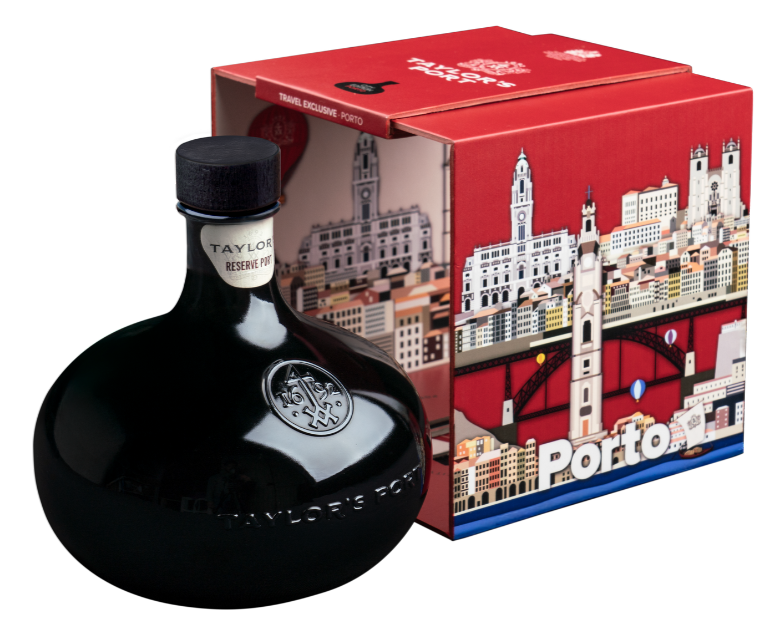
Have you ever opened a bottle of port and wondered whether it needs to be stored in the refrigerator? You’re not alone.
Many people ask the same question, eager to preserve the rich flavors of this delightful drink. Understanding the storage requirements of port can enhance your tasting experience and save you from the disappointment of a spoiled bottle. You’ll discover the essential tips and tricks for storing port wine, ensuring it remains as exquisite as the day you opened it.
Stick around, and you might just become the go-to expert among your friends on all things port!

Credit: www.refrigeratedfrozenfood.com
Port Wine Basics
Port wine is a sweet, fortified wine from Portugal. It has rich flavors and is often enjoyed after meals. Understanding its basics helps in storing and serving it properly. This knowledge also improves your tasting experience.
Types Of Port
- Ruby Port:Young and fruity, with bright red color.
- Tawny Port:Aged in barrels, with nutty and caramel notes.
- Vintage Port:Made from the best grapes, aged in bottle.
- White Port:Made from white grapes, lighter and dry.
- Late Bottled Vintage (LBV):Aged longer than ruby, ready to drink.
Flavor Profiles
Port wine flavors range from sweet to dry. Ruby Ports taste fruity with berry notes. Tawny Ports offer nuts, caramel, and spice flavors. Vintage Ports have rich, deep fruit and tannins. White Ports can be dry or sweet with citrus hints. Each type has a unique taste and aroma.
Storage Importance
Proper storage preserves Port’s taste and quality. Keep bottles upright to protect corks. Store in a cool, dark place away from heat. Once opened, some Ports need refrigeration. Others last longer at room temperature. Knowing storage rules prevents spoilage and waste.
Refrigeration And Port
Understanding whether port needs refrigeration can save you from ruining a cherished bottle. Port is a fortified wine, which means it has a higher alcohol content that helps preserve it longer than regular wines. However, how you store it after opening can affect its flavor and longevity significantly.
When To Refrigerate
Not all ports require refrigeration. Ruby and tawny ports benefit from being refrigerated once opened to slow down oxidation. Vintage ports, on the other hand, are more delicate and should be consumed shortly after opening, but refrigeration can help extend their freshness for a few days.
If you find yourself unable to finish a bottle quickly, refrigeration is your best friend. Have you ever left port out and noticed it tasted flat the next day? That’s a clear sign refrigeration could help preserve your wine’s vibrant character.
Effects Of Cold Storage
Chilling port slows down chemical reactions that cause spoilage. This means your wine keeps its taste and aroma longer. However, too much cold can dull the flavors, especially if the port is stored for extended periods.
From my experience, storing port in the fridge for up to two weeks after opening maintains its quality well. Beyond that, subtle notes may start to fade, especially in more delicate ports. You want to find the right balance between preservation and flavor.
Temperature Recommendations
| Type of Port | Ideal Storage Temperature | Opened Bottle Storage |
|---|---|---|
| Ruby Port | 12-16°C (54-61°F) | Refrigerate at 7°C (45°F) up to 4 weeks |
| Tawny Port | 12-16°C (54-61°F) | Refrigerate at 7°C (45°F) up to 6 weeks |
| Vintage Port | 12-16°C (54-61°F) | Consume within 2-3 days; refrigeration recommended |
Keeping unopened port at cellar temperature is best, but once opened, refrigeration at around 7°C helps maintain freshness. Does your fridge have a wine drawer? That can be an ideal spot to store your port without exposing it to harsh cold.
Non-refrigerated Storage Options
Port wine does not always require refrigeration. Proper storage can keep it fresh and flavorful without a fridge. Non-refrigerated storage relies on controlling light, temperature, and container type. These factors slow down oxidation and preserve the taste of port.
Cool, Dark Places
Store port in a cool, dark area away from sunlight. Ideal spots include cellars, closets, or cabinets. Temperatures between 55°F and 65°F help maintain quality. Avoid places near ovens or windows that get direct sun.
Ideal Containers
Keep port in its original bottle with a tight seal. Use cork stoppers or screw caps to limit air exposure. Avoid plastic containers as they can affect flavor. Glass bottles preserve port best by preventing leaks and air contact.
Avoiding Heat And Light
Heat speeds up the aging process and can spoil port quickly. Light causes chemical reactions that degrade flavor and color. Store bottles away from lamps, bulbs, or warm appliances. Wrapping bottles in cloth or paper adds extra protection.

Credit: www.supplychaindive.com
Preserving Flavor After Opening
Preserving the flavor of port after opening is important to enjoy its rich taste. Exposure to air can change the wine’s character quickly. Keeping it fresh requires simple steps. These steps help maintain the aroma and smoothness that make port special.
Best Practices
- Close the bottle tightly with the original cork or stopper.
- Store the bottle upright to reduce air contact.
- Keep the bottle in a cool, dark place away from sunlight.
- Avoid temperature changes to prevent flavor loss.
Using Vacuum Seals
Vacuum seals remove air from the bottle, slowing oxidation. They help keep port fresh longer by limiting oxygen exposure. Using a vacuum pump is simple and effective. It can extend the flavor life by several days or weeks.
Shelf Life Tips
| Type of Port | Opened Shelf Life | Storage Suggestion |
|---|---|---|
| Ruby Port | 4-6 weeks | Refrigerate after opening |
| Tawny Port | 6-8 weeks | Refrigerate or cool, dark place |
| White Port | 3-4 weeks | Refrigerate after opening |
| Vintage Port | 1-2 days | Consume quickly, refrigerate |
Following these tips helps keep port enjoyable after opening. Proper care preserves its flavor and aroma longer.
Common Mistakes To Avoid
Keeping your port wine at the right condition can be tricky if you make avoidable mistakes. These errors often spoil the flavor and aroma, wasting your bottle and your enjoyment. Let’s look at common pitfalls and how to steer clear of them.
Overexposure To Air
Air is the enemy of opened port. Once exposed, oxidation starts breaking down the rich flavors. Leaving the bottle open for too long or not sealing it tightly can turn your port sour quickly.
Have you ever opened a bottle and noticed a sharp, vinegary smell the next day? That’s a clear sign of too much air contact. Always use a proper stopper and try to consume the port within a few days after opening.
Incorrect Temperatures
Temperature plays a huge role in preserving port quality. Storing it too warm accelerates aging and spoils the taste, while freezing can alter its texture and flavor.
Many people keep port at room temperature without thinking, but this isn’t ideal for all types. Vintage port, for example, needs cooler storage, around 55°F (13°C), to maintain its character. Ask yourself: is your storage spot too hot or too cold?
Improper Bottle Positioning
How you store the bottle matters. Unlike most wines, port should be stored upright once opened to minimize the surface area exposed to air.
Storing it on its side after opening increases oxidation speed. Before opening, horizontal storage helps keep the cork moist. After opening, stand the bottle up to keep the port fresh longer.
Credit: canterburywines.au
Expert Recommendations
Experts have shared clear guidance on how to store port wine properly. Their advice helps maintain flavor and quality over time. Understanding different opinions can help you choose the best storage method.
Winemakers’ Advice
Winemakers often suggest storing port in a cool, dark place. Avoid direct sunlight and heat sources. They recommend a stable temperature, ideally between 55-65°F (13-18°C). Some winemakers say refrigeration is not needed for unopened bottles. They stress that heat damages the wine’s taste and aroma.
Sommelier Tips
Many sommeliers recommend refrigerating port after opening. This slows oxidation and keeps flavor fresh longer. They advise sealing the bottle tightly with a cork or stopper. For short-term storage, refrigeration works best. For longer storage, a wine fridge with controlled humidity is ideal.
Storing Different Port Varieties
Storage needs vary by port type. Ruby and basic ports can last several weeks in the fridge after opening. Tawny ports, with more oxidation, last longer once opened. Vintage ports are more delicate and should be consumed soon after opening. Unopened vintage bottles should stay in a cool, dark place rather than the fridge.
Frequently Asked Questions
Does Port Wine Require Refrigeration After Opening?
Port wine should be refrigerated after opening to maintain its flavor and prevent spoilage. Store it in a cool, dark place if unopened.
How Long Can Opened Port Stay Without Refrigeration?
Opened Port can last 1-3 weeks unrefrigerated. Refrigeration extends freshness up to several weeks.
Should Vintage Port Be Refrigerated After Opening?
Vintage Port benefits from refrigeration after opening to preserve its complex flavors and slow oxidation.
Can Refrigeration Affect Port Wine Taste?
Refrigeration preserves Port’s taste by slowing oxidation. Avoid freezing to prevent flavor damage.
Conclusion
Port wine stays fresh longer when stored in a cool, dark place. Once opened, it is best to refrigerate it to keep the taste. Refrigeration slows down spoilage and keeps flavors intact. Always seal the bottle tightly after pouring. Drinking port within a few weeks after opening gives the best experience.
Simple care helps you enjoy port every time. No need to worry about complex storage tips. Just chill it and savor the rich taste. Easy and effective.