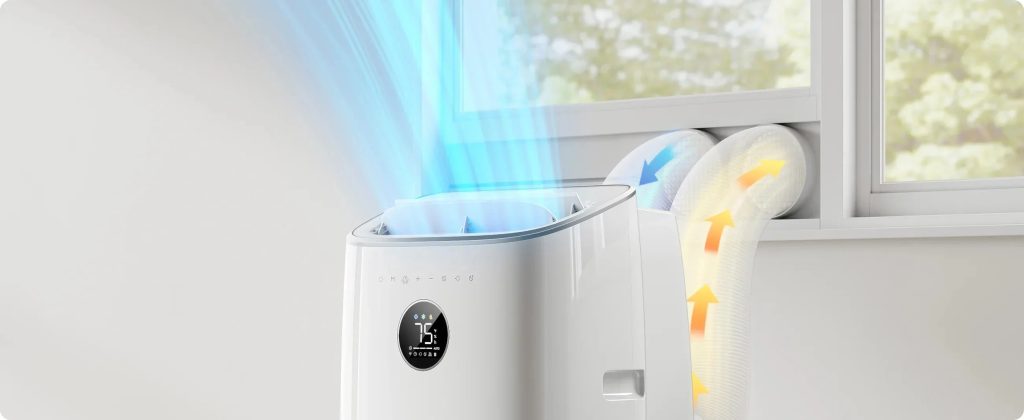
Are you wondering if your portable air conditioner really needs to be vented outside? It’s a question many people ask before buying or setting up their cooling unit.
Getting this right can save you from wasted energy, poor cooling, and even damage to your home. You’ll discover why venting matters, what happens if you don’t vent properly, and simple tips to make sure your portable AC works its best.
Keep reading—you’ll learn exactly what you need to know to stay cool and comfortable without any hassle.

Credit: www.zdnet.com
How Portable Acs Work
Portable air conditioners cool rooms by moving heat outside. They use a simple process to lower the temperature inside your space.
Understanding how these units work helps you see why venting is important.
Cooling Mechanism
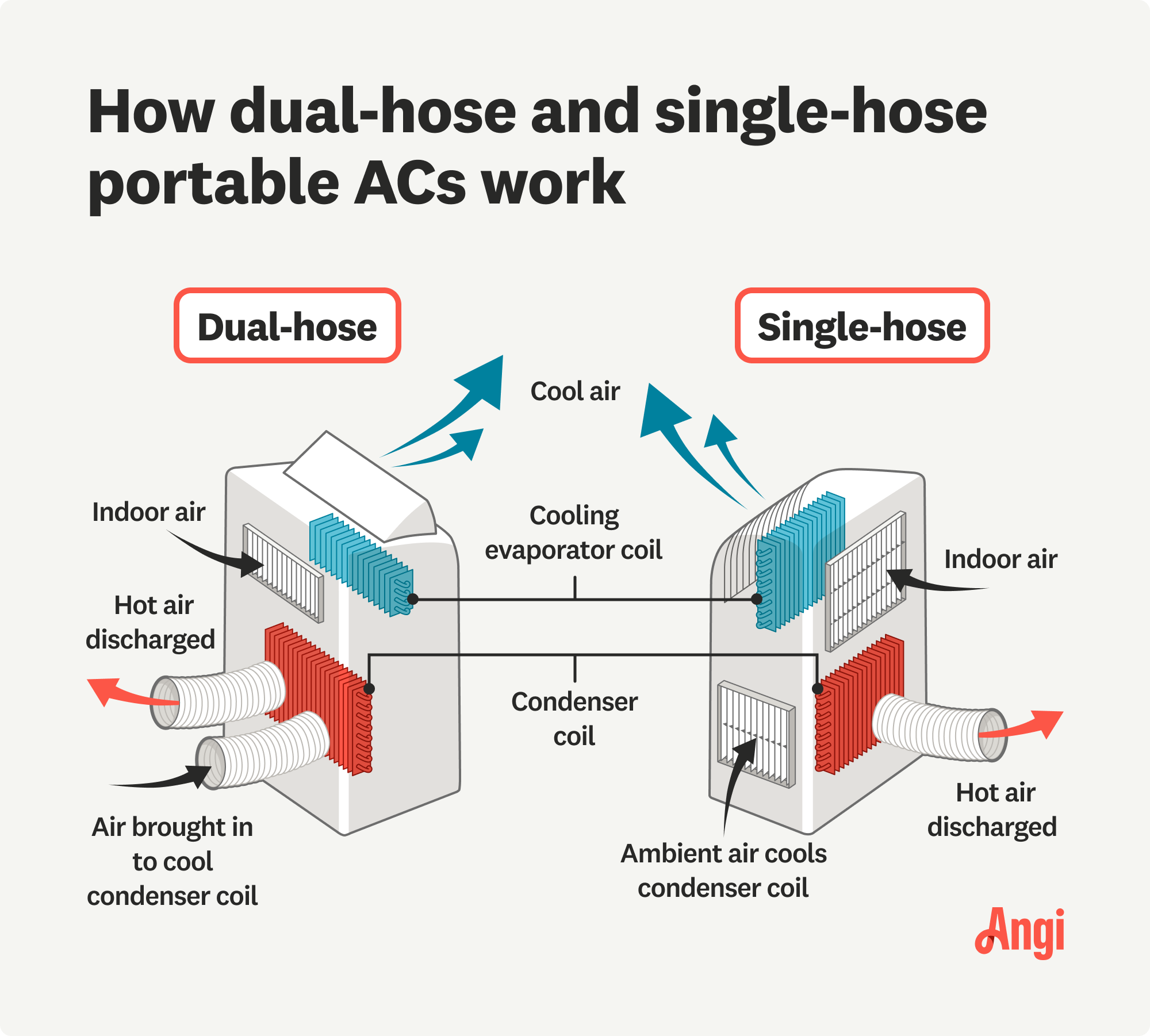
Portable ACs remove heat from indoor air and send it outside. They draw warm air inside and cool it using a refrigerant.
- Warm air enters the unit through a vent.
- The air passes over cold coils filled with refrigerant.
- The refrigerant absorbs heat and cools the air.
- Cool air is blown back into the room.
- The heat absorbed by the refrigerant is moved outside.
Heat Exchange Process
The heat exchange moves heat from inside to outside. This process needs a vent hose connected to a window or wall.
| Part | Function |
| Evaporator Coil | Absorbs heat from indoor air |
| Compressor | Compresses refrigerant and moves heat |
| Condenser Coil | Releases heat outside |
| Exhaust Hose | Vents hot air outside |

Credit: www.reddit.com
Role Of Venting In Portable Acs
Portable air conditioners cool rooms by removing warm air. They also produce hot air that must go somewhere. Venting helps send this hot air outside.
Without proper venting, the hot air stays inside. This reduces the cooling effect. Venting is a key part of how portable ACs work well.
Why Venting Matters
Venting removes hot air and moisture from your room. This keeps the room cooler and more comfortable. Without venting, the AC cannot cool effectively.
Venting also helps the AC work efficiently. It lowers energy use and prevents damage to the machine. Proper venting extends the life of your portable AC.
Common Venting Methods
Most portable ACs use a flexible hose to vent air outside. The hose connects to a window or wall opening. This allows hot air to leave the room safely.
- Window venting kits are popular and easy to install.
- Sliding windows use adjustable panels to fit the hose.
- Through-the-wall venting is more permanent and needs cutting.
- Some units have dual hoses for intake and exhaust air.
Consequences Of Not Venting Outside
Portable air conditioners need to vent hot air outside. If not, problems arise inside your home. Understanding these issues helps you use your unit correctly.
Two main problems occur when you do not vent the air outside: reduced cooling efficiency and increased indoor heat.
Reduced Cooling Efficiency
When the hot air stays inside, the air conditioner works harder. This lowers how well it cools your room. The unit may run longer and use more energy.
- The cooled air mixes with the hot air.
- The unit recirculates warmer air, not fresh cool air.
- Energy consumption rises to maintain temperature.
- Wear and tear on the machine increases.
- Cooling performance drops noticeably.
Increased Indoor Heat
Failing to vent outside causes heat to build up indoors. This happens because the heat from the compressor and exhaust has no exit path.
| Effect | Description |
| Higher Room Temperature | Heat stays inside, raising the overall temperature. |
| Uncomfortable Environment | Rooms feel warmer, making it hard to relax. |
| Increased Humidity | Warm air holds more moisture, causing dampness. |
| Condensation Issues | Moisture may collect on windows and walls. |
Credit: www.angi.com
Venting Options For Different Spaces
Portable air conditioners need to be vented outside to remove hot air. Proper venting keeps your room cool and the unit working well.
There are several venting choices depending on your room type and setup. Each option fits different spaces and needs.
Window Venting Kits
Window venting kits are the most common way to vent portable air conditioners. They fit into a window opening to push hot air outside.
These kits usually include a flexible hose and a panel that seals the window gap. They work well in most standard windows.
- Easy to install and remove
- Fits sliding or sash windows
- Keeps insects and dust outside
Door And Wall Venting
Some rooms do not have windows or the window is not suitable for venting. In these cases, venting through a door or wall is an option.
You can install a venting kit through a door gap or cut a hole in a wall for the exhaust hose. This method requires more work but works well.
- Use a sliding door vent panel for door venting
- Seal gaps well to avoid air leaks
- Wall venting needs a hole and a vent cover
Using Venting Accessories
Venting accessories help make the venting process easier and more efficient. They include hose extensions and adapters.
These accessories allow you to reach distant windows or vents. They also help fit different sizes of hoses and openings.
- Hose extensions increase venting reach
- Adapters fit hoses to various vent sizes
- Window seals reduce air leaks
Alternatives To Traditional Venting
Portable air conditioners usually need to vent hot air outside. This venting keeps the room cool. Some devices offer options that do not require traditional venting.
These alternatives can work well in places where venting outside is hard. They use different methods to cool the air without a vent hose.
Evaporative Coolers
Evaporative coolers cool air by adding moisture. They pull warm air through wet pads. The air loses heat as water evaporates.
These coolers do not need to vent outside. They work best in dry, hot climates. The added moisture can help in dry air but may not suit humid places.
- Use water to cool air
- No outside vent needed
- Best for dry climates
- Adds humidity to the room
Ductless Mini-split Systems
Ductless mini-split systems cool rooms without venting through a window. They have an indoor unit and an outdoor compressor. The two connect with small tubes.
This system moves heat outside without a hose. It is quiet and saves space. Installation needs a small hole for pipes but no large vent.
- Indoor and outdoor units
- No window vent hose needed
- Small hole for pipes
- Quiet and efficient cooling
Maintenance Tips For Venting Setup
Portable air conditioners need proper venting outside to work well. This setup helps remove hot air and moisture. Keeping the venting system in good shape improves cooling and saves energy.
Regular maintenance of the venting setup prevents leaks and blockages. These tips help your portable air conditioner work smoothly and last longer.
Sealing Gaps
Sealing gaps around the vent hose stops warm air from coming back inside. Small openings let hot air enter the room, reducing cooling efficiency. Use weatherproof tape or foam to seal gaps well.
Check the seal often, especially after moving the unit. A tight seal keeps your home cooler and lowers energy bills.
- Inspect vent hose connections regularly
- Use weatherproof tape for small gaps
- Apply foam sealant for larger openings
- Replace worn-out seals promptly
Cleaning Vents Regularly
Dirt and dust can block the vent hose and reduce airflow. Clean the vents every few weeks to keep air moving freely. Use a vacuum or a soft brush to remove debris.
Clogged vents make the air conditioner work harder. Regular cleaning helps it run efficiently and prevents damage.
- Disconnect the vent hose before cleaning
- Use a vacuum to remove dust inside the hose
- Wipe vent window panels with a damp cloth
- Check for mold or mildew and clean if found
Energy Impact Of Proper Venting
Portable air conditioners need to vent hot air outside. This helps the unit work better and saves energy.
If the hot air is not vented properly, the unit uses more power and cools less effectively.
Lower Energy Consumption
Proper venting removes hot air from the room. This stops the air conditioner from working too hard.
When the unit works less, it uses less electricity. This lowers your energy bills.
- Venting outside keeps the room cooler
- Less heat inside means less energy used
- Unit runs efficiently with proper airflow
Extended Unit Lifespan
When hot air is vented out, the air conditioner stays cooler. This reduces wear on parts.
A cooler unit breaks down less often. It lasts longer and needs fewer repairs.
- Proper venting prevents overheating
- Less strain on the compressor and fan
- Longer life means less replacement cost
Frequently Asked Questions
Does A Portable Ac Need Venting Outside?
Yes, portable air conditioners require venting to expel hot air outside. This is crucial for effective cooling. Without proper venting, the unit will not function efficiently, and room temperature may not reduce. Venting can be done through windows, sliding doors, or even ceiling tiles, depending on the setup.
Can A Portable Ac Be Vented Through A Window?
Absolutely, venting through a window is the most common method for portable ACs. Many units come with a window venting kit for this purpose. It ensures effective expulsion of hot air, maintaining optimal cooling. Proper installation of the venting kit is essential to prevent air leaks.
Is It Possible To Use Portable Ac Without Venting?
Using a portable AC without venting is not recommended. Without venting, the unit will circulate warm air back into the room. This results in inefficient cooling and increased energy consumption. Venting is essential for the unit to operate effectively and maintain a comfortable room temperature.
What Happens If You Don’t Vent A Portable Ac?
Failing to vent a portable AC leads to poor performance and higher energy bills. The unit will circulate hot air, reducing cooling efficiency. This can also cause the AC to overwork, potentially leading to mechanical issues. Proper venting ensures optimal performance and energy efficiency.
Conclusion
Portable air conditioners need venting to work well. They push hot air outside. Without venting, rooms stay warm and uncomfortable. Venting stops heat build-up and keeps air cool. Most units come with a venting kit for easy setup. Proper venting saves energy and lowers electric bills.
So, always plan where to vent your portable AC. It helps you enjoy cool air all summer long. Simple steps make a big difference in comfort. Venting outside is key for any portable air conditioner.