
Are you wondering if your portable air conditioner needs water to work properly? It’s a common question that can affect how you use and maintain your unit.
Understanding whether water is necessary can save you time, money, and frustration. Keep reading to discover the truth about portable air conditioners and water, so you can keep your space cool without any surprises.
How Portable Air Conditioners Work
Portable air conditioners cool a room by moving warm air outside. They are easy to use and can be moved from room to room.
These devices do not need water to cool the air. They use a cooling system inside to lower the temperature.
Cooling Mechanism Basics
Portable air conditioners work like a refrigerator. They take warm air from the room and cool it down.
The warm air is pushed through a cooling coil inside the unit. This coil removes heat from the air.
Role Of Refrigerant And Airflow
The refrigerant is a special fluid inside the air conditioner. It absorbs heat from the air and carries it outside.
Fans move air through the machine. One fan pulls warm air in, and another pushes cool air out.
- Refrigerant absorbs heat inside the unit
- Heat moves to the outside through a vent
- Fans keep air moving for better cooling
Water Usage In Portable Air Conditioners
Portable air conditioners cool air by removing heat and moisture. Some models need water to work well. Others do not use water at all.
Understanding water use helps you pick the right portable air conditioner. It also shows how to care for your unit.
Models That Require Water
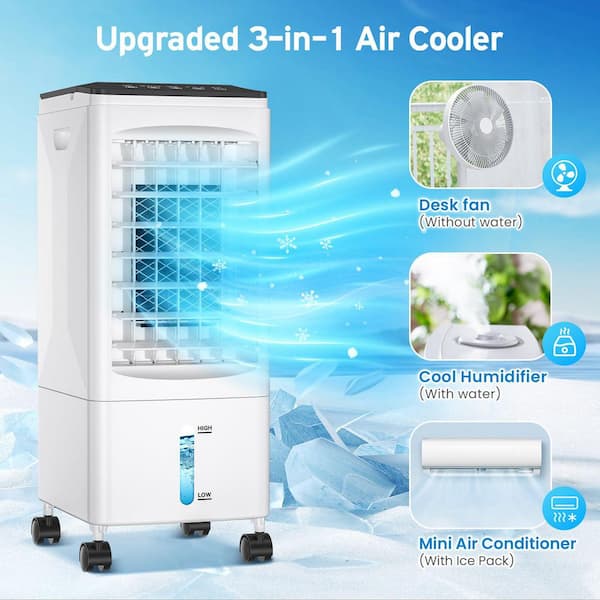
Some portable air conditioners need water to cool the air. These models use water for evaporative cooling. Water helps lower the temperature more effectively.
You must add water to a tank or fill a pad in these units. They may need refilling during use if the water runs out.
- Evaporative coolers or swamp coolers use water directly.
- Some hybrid models combine water and refrigerant cooling.
- Water helps make the air feel cooler and less dry.
Models That Don’t Use Water
Most modern portable air conditioners do not use water. They cool air using a refrigerant system like a regular AC unit. These models remove heat and moisture without added water.
These units collect water from the air and store it in a tank or drain it out. You do not need to add water yourself.
- Standard portable ACs use refrigerant to cool air.
- They have a built-in dehumidifier that collects moisture.
- Water removal is automatic and needs little user effort.
Condensation And Drainage
Portable air conditioners cool a room by removing heat and moisture from the air. This process creates water inside the unit. Understanding how this water forms and how to manage it is important for proper use.
This guide explains how condensation forms in portable air conditioners and the methods to drain and maintain the water they produce.
How Condensation Forms
When warm air passes over the cold coils inside the air conditioner, moisture in the air turns into water. This water is called condensation. It collects inside the unit during operation.
- Warm air enters the air conditioner.
- The air cools as it touches cold coils.
- Moisture in the air changes to water drops.
- The water collects in a tray or tank inside the unit.
Drainage Methods And Maintenance
Portable air conditioners use different ways to remove or store condensation. Proper drainage keeps the unit working well and stops water damage.
| Drainage Method | Description | Maintenance Tip |
| Self-evaporative | Water evaporates using heat from the unit. | Keep vents clean for airflow. |
| Manual Drain | Water collects in a tank that you empty. | Check and empty the tank often. |
| Drain Hose | Water drains out through a hose to a floor drain. | Ensure the hose is not blocked or kinked. |
Benefits Of Water-free Portable Acs
Portable air conditioners that do not need water work by using a different cooling method. They are easy to use and need less care.
These water-free units save you from the trouble of filling water tanks or dealing with leaks. They keep your room cool without extra steps.
No Need To Refill Water
Water-free portable ACs do not have water tanks. You do not have to check or refill water.
This makes them easier to run, especially in places where water is hard to get or use.
Less Maintenance Required
Without water, these ACs avoid problems like mold and mineral build-up. This lowers cleaning needs.
You save time and money on repairs and upkeep.
Portable And Lightweight Design
Water-free models are usually lighter because they don’t hold water. You can move them easily.
This helps when you want to cool different rooms or carry the AC while traveling.
No Risk Of Water Spills Or Damage
Since these units do not use water, there is no risk of spills or leaks inside your home.
This protects your floors, furniture, and walls from water damage.
Works Well In Dry Climates
Water-free portable ACs do not rely on water evaporation. They cool well even in dry areas.
This makes them a good choice if you live in a place with low humidity.
When To Add Water To Your Unit
Portable air conditioners sometimes need water to work well. Knowing when to add water helps your unit cool better.
Not all portable ACs use water. Some models have special features that need water to improve cooling.
Evaporative Cooling Feature
Some portable air conditioners use evaporative cooling. This feature cools the air by adding moisture.
- The unit has a water tank or reservoir.
- Water evaporates inside to cool the air.
- You must refill the tank when it runs low.
- Without water, the cooling power drops.
Signs Your Ac Needs Water
Watch for these signs to know if your AC needs water added soon.
| Sign | What It Means |
| Air feels less cool | Water tank might be empty |
| Unit beeps or shows alert | Low water warning |
| Water level indicator is low | Time to refill the tank |
| Dry air output | Evaporative function not working |

Credit: northnjhvac.com
Common Misconceptions About Water And Portable Acs
Many people wonder if portable air conditioners need water to work. This is a common question because water is involved in some cooling systems.
This article explains the truth about water and portable air conditioners. We will clear up some common myths.
Portable Air Conditioners Do Not Need Water Added
Some believe portable ACs need water added like evaporative coolers. This is not true. Most portable ACs use refrigerants, not water.
These units cool air by moving heat outside. They do not require you to pour water into them.
Water Is Used Internally, Not Added By Users
Portable ACs do collect water inside. This happens because they remove humidity from the air. The water collects in a tank or drains out.
Users do not add water. The machine removes it during cooling. Some models need emptying the water tank.
Portable Acs Are Different From Evaporative Coolers
Evaporative coolers use water to cool air by evaporation. They need water tanks filled regularly. Portable ACs do not work this way.
Portable ACs use a sealed system with refrigerants. They cool air without adding water. This makes them good for humid places.
Some Portable Acs Have Water Drain Options
Many portable ACs have a water drain or collection tray. This is to remove the water they collect from the air. It is not for adding water.
- Water collects from air humidity
- Users drain water to keep the unit working
- No need to add water for cooling
Tips For Efficient Portable Ac Operation
Portable air conditioners help cool rooms without permanent installation. Using them well saves energy and keeps your space comfortable.
One common question is whether portable AC units need water. Most models do not need water added, but some use water to improve cooling.
Proper Placement And Venting
Place your portable AC near a window for easy venting. The exhaust hose must push hot air outside.
Keep the unit away from direct sunlight or heat sources. This helps it cool better and use less power.
- Use the window kit that comes with the unit
- Seal gaps around the hose to stop warm air from entering
- Make sure the exhaust hose is straight and not kinked
- Keep doors and windows closed while cooling
Regular Cleaning And Maintenance
Clean your portable AC regularly to keep it running well. Dust and dirt reduce its efficiency.
Empty any collected water if your unit has a tank. Some models have auto-evaporation, so check the manual.
- Clean or replace air filters every two weeks
- Wipe the exterior with a damp cloth
- Clear dust from vents and exhaust hose
- Check for leaks or damage to the hose
Credit: www.homedepot.com

Credit: www.youtube.com
Frequently Asked Questions
Do Portable Air Conditioners Require Water?
Portable air conditioners generally do not require water to operate. They work by drawing warm air from a room, cooling it using a refrigerant, and then expelling the cooled air back into the space. Some models, however, might use water for enhanced cooling efficiency, but it’s not a necessity for basic operation.
How Do Portable Air Conditioners Work?
Portable air conditioners cool a room by drawing in warm air. They pass the air over a refrigerant coil, which absorbs heat, cooling the air. The cooled air is then expelled back into the room, while the heat is vented outside through an exhaust hose.
Can Portable Acs Function Without Water?
Yes, most portable air conditioners can function without water. They primarily use refrigerant to cool air. However, dual-hose models may use water to improve efficiency. Always check the specific model’s requirements to ensure proper operation and efficiency.
What Maintenance Does A Portable Ac Need?
Regular maintenance includes cleaning or replacing air filters, emptying the water reservoir if it collects condensation, and ensuring the exhaust hose is free of obstructions. Regular cleaning ensures optimal performance and prolongs the unit’s lifespan, maintaining energy efficiency and cooling effectiveness.
Conclusion
Portable air conditioners usually do not need water to cool air. They work by moving heat out of the room using a hose. Some models collect water from the air and need occasional emptying. Others have a drainage option or a self-evaporating system.
Knowing your unit’s type helps you maintain it properly. This way, your air conditioner stays efficient and lasts longer. Simple care keeps your room cool and comfortable all summer. Easy to use and maintain—just what you need.