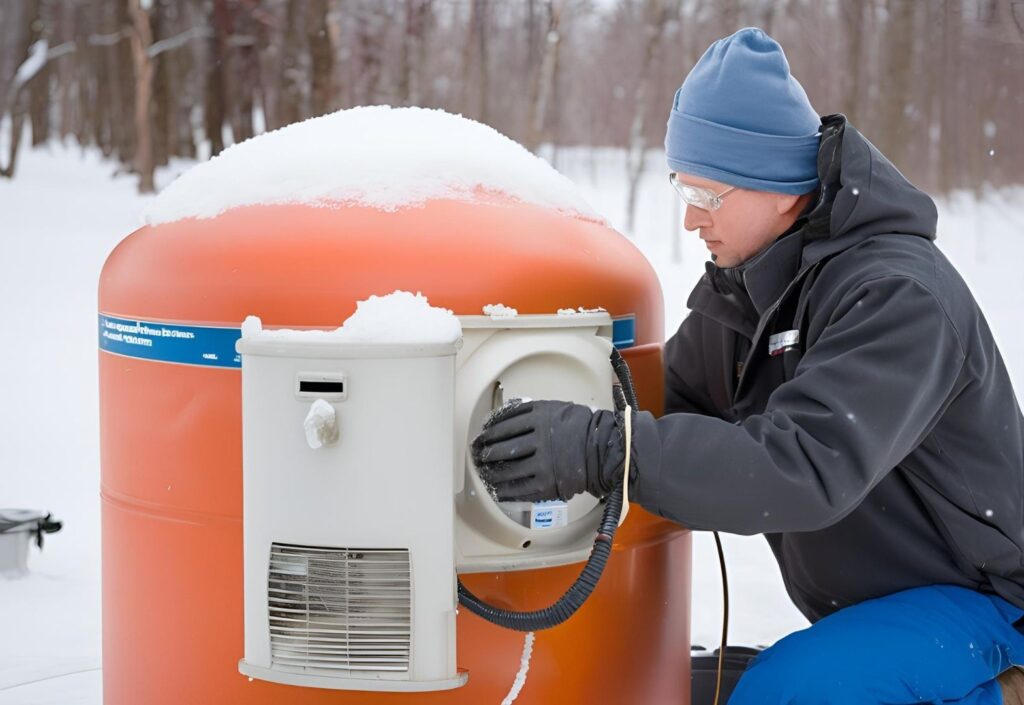
Have you ever wondered if propane freezes when the temperature drops in winter? If you rely on propane for heating or cooking during cold months, this question might be on your mind.
Understanding how propane behaves in freezing conditions can help you avoid unexpected problems and keep your home safe and warm. You’ll discover the truth about propane and freezing temperatures, and learn practical tips to protect your propane system all winter long.
Keep reading to make sure your propane works perfectly, no matter how cold it gets outside.
Propane Basics
Understanding propane is key to knowing how it behaves in cold weather. Propane is a popular fuel used for heating, cooking, and more. It is stored as a liquid under pressure but turns into gas when released. This change helps it burn efficiently. Knowing its basics helps clear up common questions about freezing and winter use.
Chemical Properties
Propane is a hydrocarbon with the formula C3H8. It is colorless and odorless in its natural state. An odorant is added for safety to detect leaks. Propane boils at -42°C (-44°F), meaning it turns from liquid to gas above this temperature. It remains a gas at typical winter temperatures. This low boiling point prevents it from freezing in cold weather.
Common Uses
Propane serves many purposes in homes and industries. It heats houses and water during winter. It fuels grills and stoves for cooking. Many vehicles use propane as a clean fuel alternative. Farmers use propane to dry crops and heat barns. Its portability makes it valuable for outdoor activities and emergencies.
Credit: www.townsendtotalenergy.com
Freezing Point Of Propane
Understanding the freezing point of propane helps clarify if it can freeze during winter. Propane is a gas stored as a liquid under pressure. Its behavior changes with temperature and pressure. Knowing these changes is key for safe and efficient use in cold weather.
Temperature Thresholds
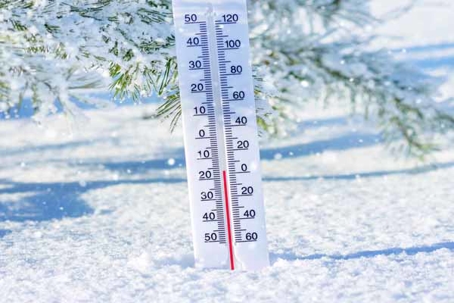
Propane freezes at a very low temperature. Its freezing point is around -306°F (-188°C). This is far colder than most winter temperatures on Earth. Normal winter cold will not freeze propane in its container.
Propane vaporizes at -44°F (-42°C) under atmospheric pressure. This means it turns from liquid to gas above this temperature. Below this, propane remains liquid or solid, depending on the temperature.
States Of Propane At Low Temperatures
Propane exists in three states: gas, liquid, and solid. At room temperature, it is a gas. When cooled under pressure, it becomes a liquid. If cooled even more, it can become a solid.
- Above -44°F (-42°C): Propane is mostly gas at normal pressure.
- Between -306°F and -44°F (-188°C to -42°C): Propane stays liquid under pressure.
- Below -306°F (-188°C): Propane solidifies or freezes.
In everyday use, propane stays liquid inside tanks, even in cold winters. Freezing solid propane requires temperatures much colder than Earth’s natural climate.
Winter Challenges With Propane
Winter brings unique challenges for propane users. Cold temperatures affect how propane behaves, impacting both the efficiency and safety of your heating system. Understanding these challenges helps you prepare and avoid unexpected problems during the coldest months.
Effects Of Cold Weather On Propane Tanks
Propane itself does not freeze under normal winter temperatures because it liquefies at -44°F (-42°C). However, the cold can cause problems with your propane tank and delivery system.
Low temperatures make propane vaporize less easily. This means your tank may seem like it’s running low even when it’s not empty. You might notice weaker flames or slower heating in your appliances during extreme cold spells.
Condensation and ice can also form around tank valves and regulators. This can restrict propane flow, leading to interruptions in your fuel supply. Have you ever experienced your heater shutting off unexpectedly on a freezing night?
Pressure Changes In Freezing Conditions
Propane tanks rely on pressure to push gas into your heating system. Cold weather causes the pressure inside the tank to drop because propane vaporizes less at low temperatures.
When the pressure falls too low, appliances may fail to ignite or operate properly. This can be frustrating and even dangerous if you rely on propane for heat.
To maintain steady pressure, it’s important to keep your tank full and check regulators regularly. You might also consider tank heaters or insulation to prevent pressure drops. What steps have you taken to ensure your propane system works smoothly through winter?
Signs Of Propane Issues In Cold
Propane is a popular fuel for heating during cold months. Cold weather can cause problems with propane systems. Recognizing signs of propane issues helps prevent bigger troubles. Watch for changes in how your system works and any unusual behavior.
Reduced Efficiency
One sign of propane issues is reduced heating power. Your heater may take longer to warm up. Flames might look yellow or weak instead of blue. Appliances can run unevenly or stop working suddenly. You might notice your propane tank empties faster than usual.
Cold can slow down propane flow. This happens because propane pressure drops in low temperatures. When pressure is low, appliances get less fuel. This reduces their efficiency and performance. Regular checks can catch these problems early.
Safety Concerns
Propane problems in cold weather can be dangerous. Leaks may develop due to frozen valves or hoses. You might smell a strong, unpleasant odor near your tank or appliances. This smell is a warning sign of a leak.
Carbon monoxide risks increase if propane burns poorly. Yellow flames or soot buildup indicate incomplete burning. These signs require immediate attention for your safety. Always keep propane equipment well maintained and inspected.
Preventing Propane Problems
Preventing propane problems during winter is crucial for safety and efficiency. Cold weather can affect propane tanks and appliances. Taking simple precautions helps avoid issues and keeps propane working well. Proper care ensures steady fuel supply and prevents damage.
Proper Storage Tips
- Store propane tanks outside in a well-ventilated area.
- Keep tanks upright to maintain correct pressure.
- Avoid placing tanks near heat sources or open flames.
- Protect tanks from snow and ice buildup with a cover.
- Check for leaks regularly using soapy water on connections.
- Keep tanks away from areas prone to flooding or standing water.
Maintenance In Winter
- Inspect propane lines and connections for cracks or damage.
- Clear snow and ice from regulators and vents.
- Test appliances before heavy use to ensure proper function.
- Replace old or worn hoses to prevent leaks.
- Schedule professional inspections for tanks and systems yearly.
- Monitor propane levels to avoid running out during cold spells.

Credit: www.adamsgas.co.uk
Alternative Fuel Options For Cold Climates
Choosing the right fuel for cold climates is key to staying warm and safe. Some fuels handle freezing temperatures better than others. This section explores alternative fuels that work well when the weather turns harsh. Understanding these options can help you make smart decisions for winter heating needs.
Comparing Propane To Other Fuels
Propane stays liquid at very low temperatures, around -44°F (-42°C). It rarely freezes in normal winter conditions. Other fuels react differently to cold. Here is a quick comparison:
- Propane:Low freezing point, easy to store and transport.
- Natural Gas:Delivered via pipelines, no freezing, but service may be disrupted by extreme cold.
- Heating Oil:Can gel in very cold weather without additives.
- Wood:Reliable, but requires storage space and regular supply.
- Electricity:Not affected by freezing, but depends on grid stability.
Best Choices For Extreme Winter
In extreme cold, fuel reliability is crucial. Propane performs well but some alternatives offer benefits:
- Natural Gas:Efficient and clean but needs a steady supply line.
- Heating Oil with Additives:Additives prevent gelling and keep oil flowing.
- Pellet Stoves:Use compressed wood pellets, good for off-grid heating.
- Electric Heaters:Safe and easy but costly with heavy use.
Select fuels that match your climate and heating system. Proper storage and maintenance improve fuel performance in winter.
Credit: bryansfuel.on.ca
Frequently Asked Questions
Does Propane Freeze In Extreme Winter Temperatures?
Propane does not freeze under normal winter conditions. It liquefies at -44°F (-42°C). Most winters don’t reach these extreme cold levels. Therefore, propane remains usable even in very cold weather.
What Is The Freezing Point Of Propane Gas?
Propane’s freezing point is around -306°F (-188°C). This temperature is far below typical winter weather. Hence, propane stays in liquid or gas form during winter months.
Can Propane Tanks Freeze In Cold Weather?
Propane tanks rarely freeze because the gas pressure prevents freezing. Properly maintained tanks function well in cold climates. Insulating tanks can help maintain efficiency in extreme cold.
How Does Cold Weather Affect Propane Usage?
Cold weather can reduce propane pressure inside tanks. Lower pressure might affect appliance performance slightly. Keeping tanks full and insulated helps ensure steady propane flow.
Conclusion
Propane doesn’t freeze in winter like water does. It remains usable in cold weather, though pressure drops when temperatures fall. So, your propane tank might need a bit more attention. Regular checks ensure it functions well. Remember, proper storage and maintenance keep your propane reliable.
Cold months shouldn’t cause propane problems if managed correctly. Keep safety guidelines in mind. Always monitor propane levels and tank conditions. Stay informed and prepared. This ensures warmth and comfort all winter long. Stay warm and enjoy the cozy season.