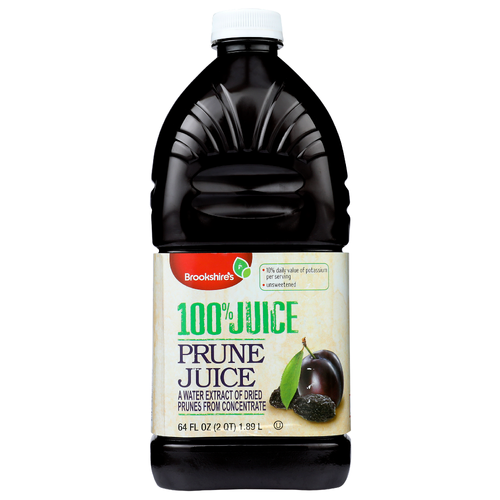
Are you a fan of prune juice? Whether you drink it for its health benefits or simply enjoy its unique flavor, you might have wondered about the best way to store it.
Does prune juice need to be refrigerated? This might seem like a simple question, but getting it wrong can affect both its taste and nutritional value. If you’ve ever hesitated over where to store your prune juice, you’re not alone.
We’ve all been there, standing in the kitchen, unsure if it should go in the pantry or the fridge. Your confusion is about to end. Keep reading to discover the answers you need, and ensure your prune juice stays fresh and delicious every time you pour a glass.
Credit: www.walmart.com
Shelf Life Of Prune Juice
Understanding the shelf life of prune juice helps in keeping it fresh and safe. Proper storage affects taste and quality. Prune juice can last differently before and after opening. Knowing these timelines prevents waste and spoilage.
Unopened Prune Juice
Unopened prune juice usually lasts for 12 to 18 months. It depends on the packaging and storage conditions. Keep it in a cool, dark place away from sunlight. Avoid heat and humidity to maintain quality. Always check the expiration date printed on the container.
Opened Prune Juice
Once opened, prune juice needs refrigeration. It stays fresh for about 7 to 10 days in the fridge. Keep the bottle tightly sealed to prevent air exposure. Signs of spoilage include off smell, taste, or appearance. Discard prune juice showing any changes to avoid health risks.
Benefits Of Refrigerating Prune Juice
Refrigerating prune juice offers several important benefits that go beyond just keeping it cold. You might wonder if it’s really necessary to pop that bottle into the fridge after opening. Let’s look at why keeping prune juice chilled can make a noticeable difference in taste, safety, and overall quality.
Preserving Freshness
When prune juice is refrigerated, it stays fresh much longer. The cool temperature slows down the natural oxidation process that can cause the juice to lose its flavor and aroma. Have you ever noticed how juice left out tastes a bit off after a day? That’s exactly what refrigeration helps prevent.
Keeping prune juice cold also helps maintain its vibrant color and smooth texture. This means every sip tastes just like the first one. If you value that fresh, rich flavor, refrigeration is a simple step that makes a big impact.
Preventing Bacterial Growth
One of the biggest risks with leaving prune juice unrefrigerated is bacterial growth. At room temperature, bacteria can multiply quickly and spoil the juice. This not only ruins the taste but can also cause stomach discomfort or illness.
Refrigeration keeps the juice at a safe temperature, slowing or stopping bacteria from growing. It’s a practical way to protect your health and enjoy prune juice worry-free. If you want to keep your juice safe for a few days or more, chilling it is essential.
Storage Tips For Prune Juice
Storing prune juice properly keeps it fresh and tasty longer. Correct storage stops spoilage and preserves nutrients. Follow these simple tips to keep your juice safe and delicious.
Ideal Temperature
Prune juice stays best when kept cold. Store it in the refrigerator at about 35-40°F (2-4°C). Avoid leaving it at room temperature for long. Cold slows bacteria growth and keeps juice fresh.
Proper Container Use
Use clean, airtight containers for storing prune juice. Glass bottles or BPA-free plastic containers work well. Make sure the lid seals tightly. This stops air from spoiling the juice and keeps flavors intact.
Avoiding Contamination
Keep the juice safe by avoiding contact with dirty utensils. Always use a clean spoon or glass when pouring. Close the container immediately after use. This prevents germs and bacteria from entering the juice.

Credit: www.walmart.com
Signs Prune Juice Has Gone Bad
Knowing the signs that prune juice has gone bad can save you from an unpleasant experience. Spoiled prune juice not only tastes bad but can also cause stomach discomfort. Paying attention to subtle changes can help you avoid drinking juice that’s past its prime.
Changes In Smell
Fresh prune juice has a sweet, slightly fruity aroma. If you notice a sour or fermented smell, it’s a clear warning sign. This off smell often means bacteria or yeast have started to grow, indicating the juice is no longer safe to drink.
Appearance And Texture
Look closely at the juice’s color and consistency. If the juice looks cloudy, has floating particles, or shows signs of mold, it’s time to toss it. A thicker or slimy texture also suggests spoilage, which happens when the juice starts to break down.
Taste Alterations
Tasting a small sip can confirm spoilage if you’re unsure. If the juice tastes bitter, sour, or just “off,” don’t swallow it. Trust your palate—prune juice should be sweet and rich, not unpleasant or sharp.
Alternative Storage Methods
Storing prune juice properly can extend its freshness and maintain its flavor. If refrigeration isn’t an option or you want to try something different, there are alternative ways to keep your prune juice fresh. These methods can help you save space, reduce waste, and enjoy your juice without compromise.
Freezing Prune Juice
Freezing prune juice is an excellent way to keep it fresh for a longer time. Pour the juice into ice cube trays or airtight containers before freezing. This way, you can thaw only what you need without defrosting the entire batch.
Remember to leave some space in the container since liquids expand when frozen. Also, freezing might slightly change the texture, but the taste remains largely intact. Have you ever tried frozen prune juice cubes in smoothies? They add a nice natural sweetness without watering down the drink.
Using Smaller Portions
Another practical approach is dividing your prune juice into smaller bottles or containers. This helps you open only what you need, keeping the rest sealed and fresh. It’s a simple trick that reduces exposure to air and slows down spoilage.
Consider using glass bottles with tight caps or BPA-free plastic containers. If you’re someone who drinks prune juice regularly, this method can save you money by preventing waste. Have you noticed how much juice gets wasted when stored in large containers that stay open for days?

Credit: www.amazon.com
Frequently Asked Questions
Does Prune Juice Spoil Without Refrigeration?
Prune juice can spoil if left unrefrigerated for too long. It should be refrigerated after opening to maintain freshness and prevent bacterial growth. Unopened, it is shelf-stable but once opened, refrigeration is necessary to keep it safe and tasty.
How Long Can Prune Juice Stay Unrefrigerated?
Unopened prune juice can stay unrefrigerated for months due to pasteurization. After opening, it should not be left out for more than two hours. Refrigeration slows spoilage and keeps the juice fresh for up to a week.
Can Refrigeration Affect Prune Juice Taste?
Refrigeration does not negatively affect prune juice taste. It helps preserve its natural flavor and quality. Keeping it cold slows oxidation and bacterial growth, ensuring the juice remains fresh and delicious.
Is Refrigeration Necessary For Homemade Prune Juice?
Yes, homemade prune juice requires refrigeration. Without preservatives, it spoils quickly at room temperature. Store it in an airtight container and refrigerate immediately to keep it fresh for up to 3-4 days.
Conclusion
Prune juice stays fresh longer when kept in the fridge. Warm temperatures can spoil the juice quickly. Always seal the bottle tightly after use. This keeps the flavor and nutrients intact. Drinking fresh juice tastes better and is safer. Store your prune juice properly to enjoy its benefits.
No need to worry about spoilage if refrigerated. Simple steps make a big difference in freshness. Keep your juice cool for the best experience.