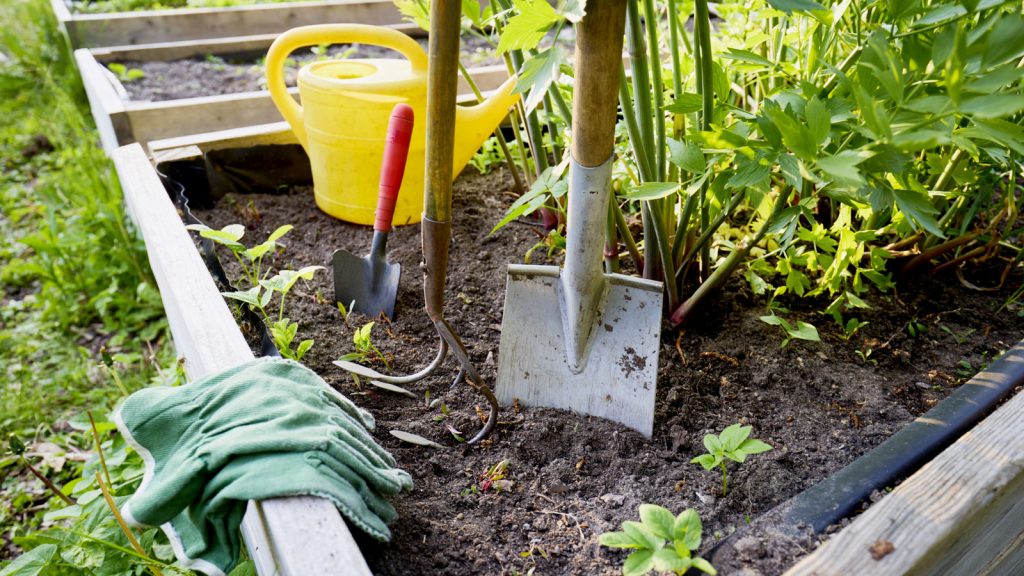
Are you wondering if your raised garden bed needs drainage? You might think adding soil and plants is enough, but there’s more to it.
Without proper drainage, water can build up and harm your plants. This can lead to root rot and poor growth, leaving your garden struggling. Keep reading to discover why drainage matters, how it affects your plants, and simple ways you can improve it.
Your garden’s health depends on it!

Credit: www.ollegardens.com
Why Drainage Matters
Good drainage is key for a healthy raised garden bed. It helps keep plants safe from too much water. Without drainage, water can build up and harm roots.
This guide explains why drainage matters. It shows what happens with poor drainage and the benefits of proper drainage.
Effects Of Poor Drainage
Poor drainage causes many problems in raised garden beds. Standing water makes soil soggy and hard for roots to breathe. This can lead to root rot and plant death.
- Roots may drown due to lack of oxygen.
- Fungal diseases grow in wet soil.
- Soil nutrients wash away or become locked up.
- Plants grow weak and die early.
Benefits Of Proper Drainage
Proper drainage keeps water moving and soil healthy. It creates the right environment for roots to grow strong and plants to thrive.
| Benefit | How It Helps |
| Prevents Root Rot | Stops water from pooling around roots |
| Supports Oxygen Flow | Lets air reach plant roots |
| Maintains Nutrients | Keeps nutrients in the soil for plants |
| Improves Growth | Allows plants to grow healthy and strong |

Credit: www.sproutboxgarden.com
Signs Of Drainage Problems
Good drainage is important for raised garden beds. Poor drainage can hurt plants and soil health.
Watch for signs that show your garden bed may have drainage issues. Catching these early helps your plants grow well.
Water Pooling
Water pooling happens when water stays on the soil surface too long. It means water does not flow away properly.
Pooling can drown plant roots and cause soil to become compacted. This makes it hard for plants to get air.
- Look for puddles after rain or watering
- Soil feels soggy or muddy for days
- Standing water around plant bases
Root Rot Symptoms
Root rot happens when roots stay wet too long. It causes roots to decay and stop working well.
Plants with root rot look weak and may lose leaves. The roots may be brown or mushy instead of white.
- Wilting even after watering
- Yellowing or dropping leaves
- Soft, brown, or smelly roots
Choosing The Right Soil Mix
Good soil is key for raised garden beds. It helps plants grow strong and healthy.
Choosing the right soil mix means thinking about soil texture and nutrients. This keeps your plants happy.
Soil Composition Tips
Soil should be a mix of sand, silt, and clay. This balance lets water drain and holds nutrients well.
- Use about 40% topsoil for nutrients.
- Add 30% compost to improve fertility.
- Include 20% peat moss or coconut coir for moisture retention.
- Mix in 10% perlite or sand to improve aeration.
Improving Soil Drainage
Good drainage stops water from pooling and hurting roots. It also stops soil from becoming too hard.
| Material | Drainage Role |
| Sand | Creates gaps for water to flow through |
| Perlite | Keeps soil loose and airy |
| Compost | Improves structure and water retention |
| Peat moss | Holds moisture but drains excess water |
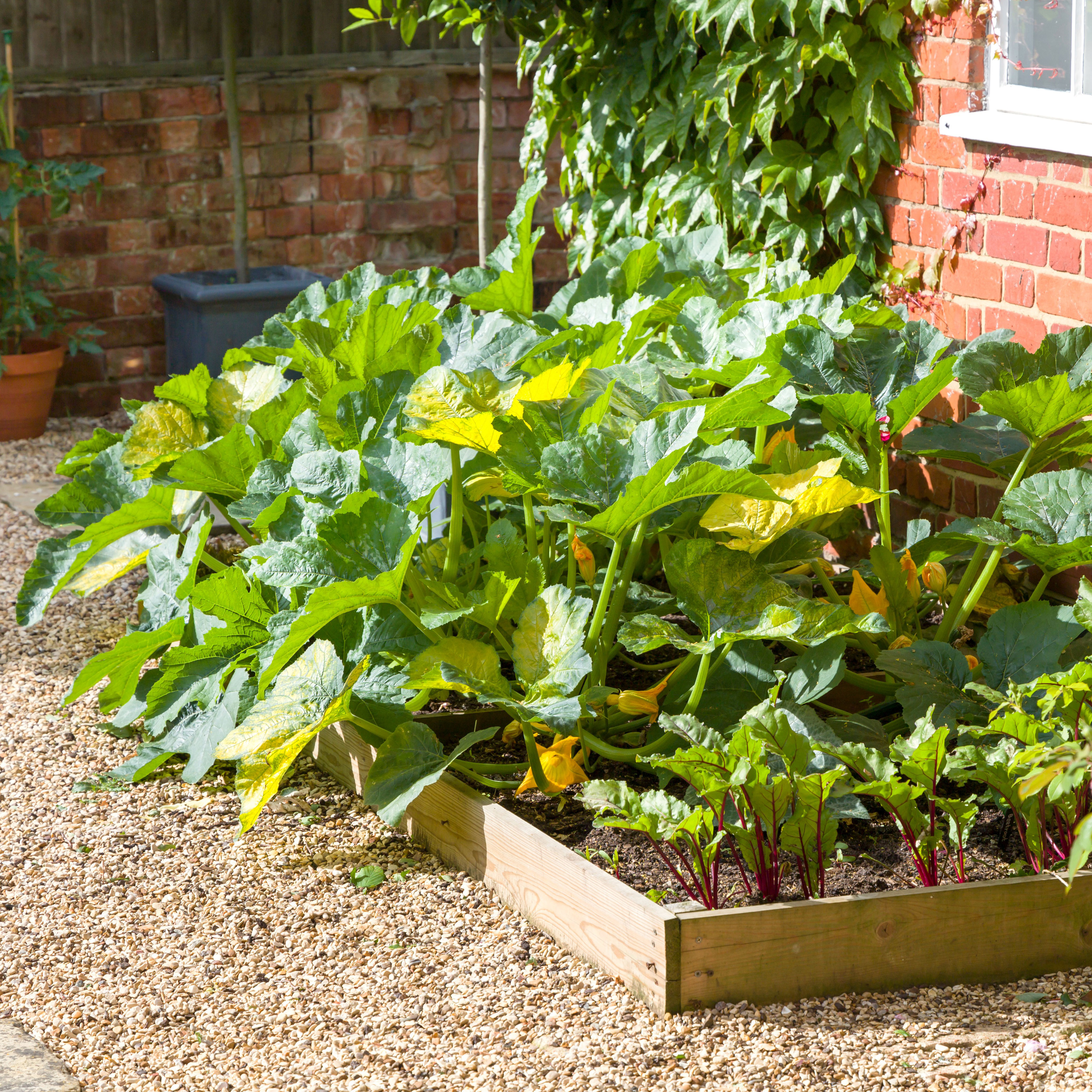
Credit: www.gardeningknowhow.com
Drainage Solutions For Raised Beds
Raised garden beds need proper drainage. Without it, plants may suffer from root rot. Here are some solutions for ensuring effective drainage.
Different methods can help water flow away from the roots. These solutions will keep your plants healthy and growing well.
Using Gravel And Rocks
Gravel and rocks create air pockets. This helps water drain away from plant roots. They are placed at the bottom of the bed.
They also prevent soil from blocking drainage holes. This keeps water moving smoothly through the bed.
- Use large rocks as the bottom layer
- Add a layer of gravel on top
- Cover with landscape fabric to separate soil
Installing Drainage Pipes
Drainage pipes are another option. They direct water away from the bed. Pipes are placed beneath the soil layer.
This method helps prevent water from pooling. It keeps the soil from becoming too wet.
- Lay pipes in a crisscross pattern
- Ensure pipes slope away from the bed
- Cover pipes with a layer of gravel
Elevating The Bed
Elevating the bed improves drainage. It allows water to escape easily. This method prevents water from collecting at the base.
Use bricks or blocks to raise the bed. This simple step can make a big difference in drainage.
- Use sturdy materials like bricks
- Ensure the bed is level
- Check that water flows out easily
Maintenance For Good Drainage
Good drainage is important for raised garden beds to keep plants healthy. Proper maintenance helps water flow well and stops root rot.
Two key ways to keep soil draining well are regular aeration and avoiding soil compaction. These help air and water reach plant roots.
Regular Soil Aeration
Soil aeration loosens soil and creates space for air and water. It helps roots grow strong and absorb nutrients better.
- Use a garden fork or aerator tool to poke holes in the soil.
- Aerate your soil every few weeks during the growing season.
- Remove dead plant material to improve air flow.
- Add organic matter like compost to keep soil light.
Preventing Compaction
Compacted soil stops water from draining and air from reaching roots. Avoid walking on your raised bed soil to keep it loose.
| Cause of Compaction | How to Prevent |
| Heavy foot traffic | Use stepping stones or paths |
| Too much water | Water deeply but less often |
| Clay soil | Add sand or organic matter |
| Heavy tools | Handle gently or avoid using inside bed |
Plant Selection And Drainage
Raised garden beds often need proper drainage to keep plants healthy. Drainage helps remove extra water from soil. This prevents roots from sitting in water too long.
Choosing the right plants depends on how well your raised bed drains. Some plants like wet soil. Others need dry, well-drained soil.
Plants That Tolerate Wet Soil
Some plants grow well in moist or wet soil. These plants can handle water that drains slowly or pools after rain. They are good choices for beds with poor drainage.
- Marsh marigold
- Iris
- Canna lily
- Swamp milkweed
- Ferns
These plants have adapted to survive in soggy conditions. They help use extra water and reduce soil problems.
Plants Needing Well-drained Soil
Many plants need soil that drains well. Water must not stay near roots too long. Good drainage stops root rot and other diseases.
| Plant | Soil Drainage Need |
| Tomatoes | Well-drained soil |
| Carrots | Well-drained soil |
| Lavender | Dry, well-drained soil |
| Peppers | Well-drained soil |
| Beans | Well-drained soil |
Raised beds with good drainage suit these plants best. Adding organic matter or sand can improve drainage. This helps roots get air and stay healthy.
Frequently Asked Questions
Does A Raised Garden Bed Need Drainage Holes?
Yes, drainage holes are essential to prevent waterlogging. They allow excess water to escape, protecting plant roots from rot and promoting healthy growth.
How Does Drainage Improve Raised Bed Soil Health?
Good drainage prevents soil from becoming soggy. It maintains proper air circulation in the soil, supporting beneficial microbes and root development.
Can Raised Garden Beds Without Drainage Cause Problems?
Without drainage, water can pool, causing root rot and poor plant health. It may also attract pests and reduce soil fertility.
What Materials Help With Drainage In Raised Beds?
Adding gravel, sand, or perlite at the bottom improves drainage. Using well-draining soil mixes also ensures excess water flows freely.
Conclusion
Good drainage keeps your raised garden bed healthy and plants happy. Water needs to flow out to stop roots from rotting. You can add holes or use special soil to help water move. Without drainage, plants may stay too wet and die.
Taking care of drainage is simple but important. Your garden will grow strong and produce well with proper water flow. Don’t forget this step for a better garden.