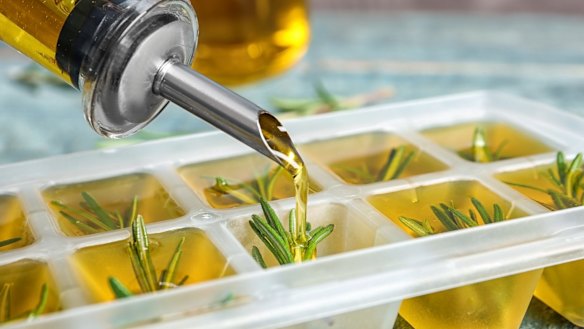
Have you ever wondered what happens to your bottle of olive oil when temperatures drop? If you’ve noticed your olive oil looking cloudy or even solidifying in cold weather, you might be asking yourself, “Does real olive oil freeze?”
You’re not alone in this curiosity! Understanding how olive oil reacts to the cold can help you make better choices in storing and using this kitchen staple. Plus, knowing the truth about olive oil’s freezing point can ensure you’re getting the pure, high-quality product you paid for.
Stick with us as we uncover the fascinating facts behind olive oil’s behavior in the freezer, and discover tips to keep your cooking oil in top-notch condition. Whether you’re a culinary enthusiast or just someone who loves a good drizzle of EVOO, you won’t want to miss this.
Credit: en.petitchef.com
Freezing Point Of Olive Oil
Olive oil behaves differently from water when exposed to cold. It does not freeze like water but solidifies at low temperatures. Knowing the freezing point helps in storing and using olive oil properly.
Factors Affecting Freezing
The freezing point of olive oil depends on its composition. Different types of fatty acids change the temperature at which it solidifies. Extra virgin olive oil has more polyphenols and antioxidants, which can lower the freezing point. The oil’s purity also matters; mixed oils freeze at different temperatures.
Temperature and storage conditions influence freezing too. Olive oil stored in a very cold place will turn cloudy and thick. This is normal and does not mean the oil is bad. When warmed, it returns to its liquid state quickly.
Comparison With Other Oils
Olive oil freezes at a higher temperature than some other common cooking oils. For example:
- Olive oil begins to solidify around 39°F (4°C).
- Canola oil freezes near 14°F (-10°C).
- Coconut oil solidifies at 76°F (24°C).
This means olive oil is more likely to thicken in a regular freezer or cold fridge. Coconut oil stays solid at room temperature, unlike olive oil. Understanding these differences helps in kitchen storage and use.

Credit: www.tasteofhome.com
Signs Of Freezing In Real Olive Oil
Recognizing if your olive oil has frozen can be tricky. Real olive oil reacts uniquely to cold temperatures, showing clear signs that help you identify freezing without guessing. Knowing these signs can save you from mistaking normal variations for spoilage or poor quality.
Texture Changes
When olive oil freezes, its texture changes noticeably. Instead of flowing smoothly, it becomes thick and cloudy. You might see solid chunks or a grainy feel when you stir it.
Have you ever noticed your olive oil looking almost like butter in winter? This is a common sign that it has partially frozen. The richness remains, but the consistency is a key hint that temperature is affecting it.
Color Variations
Freezing can also affect the color of olive oil. It often shifts from a clear golden green to a more opaque, pale yellow or milky shade. This change happens because the cold causes tiny fat crystals to form.
Does your olive oil look different after being in the fridge or outside on a cold day? That’s likely the freezing process at work. These color shifts don’t mean the oil is bad, just that it’s been chilled beyond its usual range.
How To Test Olive Oil Authenticity At Home
Testing the authenticity of olive oil at home can save you from spending money on fake or diluted products. Real olive oil has distinct properties that you can observe without specialized equipment. Knowing simple tests helps you ensure that what you pour on your salad or cook with is pure and healthy.
Freezing Method
Take a small bottle of your olive oil and place it in the freezer for about 24 hours. Real olive oil tends to thicken or solidify, but it rarely freezes completely solid due to its unique fat composition.
If the oil remains liquid or freezes into a clear, watery block, this could indicate it’s mixed with other oils. However, keep in mind that some extra virgin olive oils might behave differently based on their variety and harvest time.
Have you noticed your olive oil freezing unevenly or separating after removing it from the freezer? This can be a sign of impurities or blends, so it’s worth checking the label and source of your oil.
Other Simple Tests
- Smell Test:Real olive oil usually has a fresh, fruity aroma. If it smells rancid, metallic, or like crayons, it might be old or fake.
- Plastic Test:Pour a few drops of olive oil on a piece of plastic. Genuine olive oil tends to stay on the surface, while fake oils may soak in quickly.
- Paper Test:Drop a little oil on a paper towel. Real olive oil leaves a translucent stain but doesn’t soak through immediately.
- Taste Test:Take a small sip and let it coat your mouth. Real olive oil often has a slightly bitter or peppery taste. If it’s bland or overly greasy, question its purity.
Have you tried these tests with your current olive oil? You might be surprised by the results and what they reveal about your kitchen staple.
Impact Of Freezing On Olive Oil Quality
Freezing olive oil can change its quality in several ways. The cold temperature affects its composition and characteristics. Understanding these changes helps preserve the best qualities of olive oil.
Nutritional Value
Freezing olive oil does not destroy its healthy fats. The essential fatty acids remain mostly stable. Antioxidants like vitamin E might reduce slightly after freezing. The core nutrients stay intact, keeping olive oil a good choice.
Flavor And Aroma
Cold can dull the rich taste of olive oil. The fruity and peppery notes may become less intense. Aroma compounds may weaken during freezing. Thawing slowly helps bring back some original flavors. Quick freezing and thawing cycles might harm the oil’s freshness.
Proper Storage Tips To Prevent Freezing
Keeping your real olive oil from freezing is all about how you store it. Proper storage not only preserves its flavor and health benefits but also prevents the solidification that can confuse many users. Let’s look at practical tips to maintain the perfect consistency of your olive oil.
Ideal Temperature Range
Olive oil freezes at temperatures below about 20°F (-6°C), but it can start to solidify even at slightly higher temperatures. To avoid freezing, keep your olive oil stored in a cool, dark place between 57°F and 70°F (14°C to 21°C). This range helps maintain its liquid state without risking heat damage.
If your kitchen tends to get cold in winter, think about moving your olive oil storage to a pantry or cabinet away from windows and drafts. Have you noticed your oil getting cloudy or grainy? That’s a sign it’s too cold.
Container Choices
The type of container you use affects how your olive oil reacts to temperature changes. Dark glass bottles are ideal because they block light and help maintain a stable temperature. Avoid plastic containers as they can leach chemicals and offer less insulation against cold.
Make sure the container has a tight seal to prevent air exposure, which can accelerate spoilage. If you buy olive oil in bulk, consider transferring a smaller amount to a dark glass bottle for daily use and store the rest safely. How often do you check your oil’s container? Small changes here can save you from unexpected freezing.
Credit: www.smh.com.au
Common Myths About Olive Oil And Freezing
Many myths surround olive oil and freezing. Some believe freezing proves its purity. Others worry freezing harms the oil. These ideas cause confusion about proper olive oil care. Understanding the facts helps keep olive oil fresh and tasty.
Does Freezing Indicate Purity?
People often think real olive oil freezes, fake does not. This is not true. Pure olive oil can freeze or become cloudy in cold temperatures. Fake oils may also freeze, depending on their blend. Freezing does not prove purity or quality. Testing purity needs lab analysis, not temperature changes.
Can Freezing Damage Olive Oil?
Freezing olive oil does not damage it. The oil might thicken or solidify but returns to normal when warmed. Freezing does not change flavor or nutrients. Storing olive oil in a cool, dark place is best. Avoid heat and light to keep oil fresh longer.
Frequently Asked Questions
Does Real Olive Oil Freeze In A Standard Freezer?
Yes, real olive oil can freeze in a standard freezer. It solidifies at around 32°F (0°C) due to its fatty acid content. The texture changes but the oil remains safe and retains its flavor after thawing.
Why Does Olive Oil Become Cloudy Or Solidify?
Olive oil turns cloudy or solidifies because of low temperatures. The natural waxes and fats crystallize, causing cloudiness or solid form. This is normal and does not affect the oil’s quality or taste.
How To Store Olive Oil To Prevent Freezing?
Store olive oil in a cool, dark place above 50°F (10°C). Avoid refrigeration or freezing to maintain its flavor and texture. Proper storage extends shelf life and preserves health benefits.
Does Freezing Affect Olive Oil’s Nutritional Value?
Freezing olive oil does not significantly affect its nutritional value. The antioxidants and healthy fats remain intact. However, repeated freezing and thawing may slightly alter flavor and aroma.
Conclusion
Real olive oil can freeze, especially in cold temperatures. Freezing does not harm its quality or taste. It may become cloudy or thick but returns to normal when warmed. Storing olive oil in a cool, dark place helps keep it fresh longer.
Avoid freezing it often to protect its flavor. Knowing this helps you handle olive oil better in winter. Keep enjoying its health benefits without worry about freezing. Simple care keeps your olive oil good and tasty.