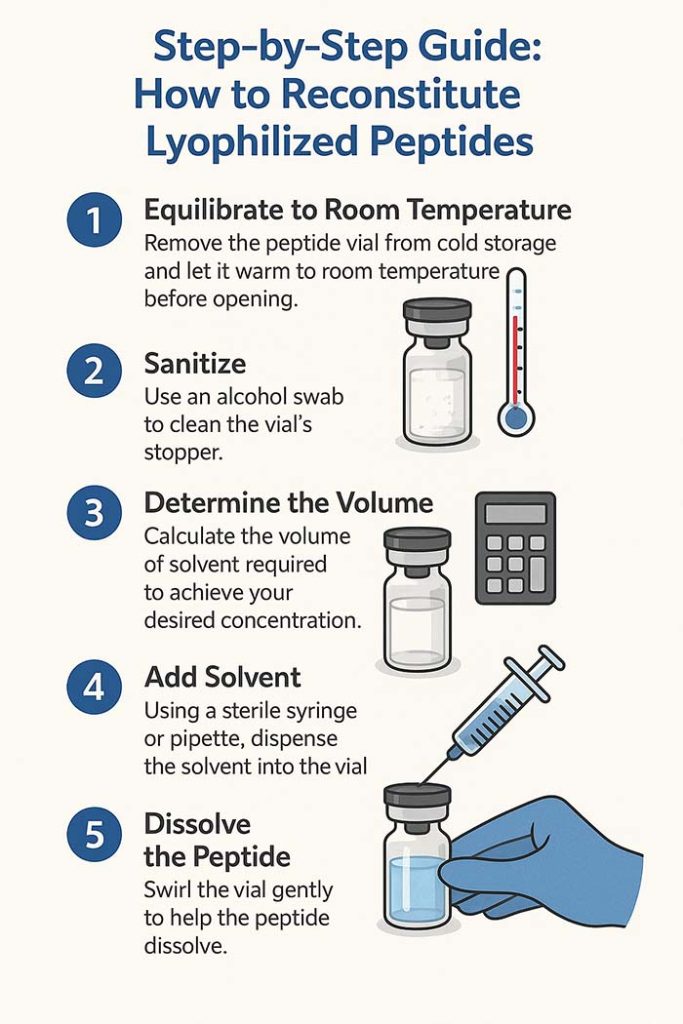
Have you ever found yourself staring at a reconstitution solution, wondering if it needs to be refrigerated? You’re not alone.
Many people face this conundrum and, surprisingly, the answer isn’t always straightforward. Whether you’re dealing with medication, supplements, or other liquid solutions, knowing the proper storage method is crucial. Not only does it impact effectiveness, but it can also affect safety.
We’ll unravel the mystery behind refrigeration requirements for reconstitution solutions. We’ll provide you with clear, actionable insights so you can store your solutions with confidence. Ready to discover the facts? Keep reading to find the answers you need.
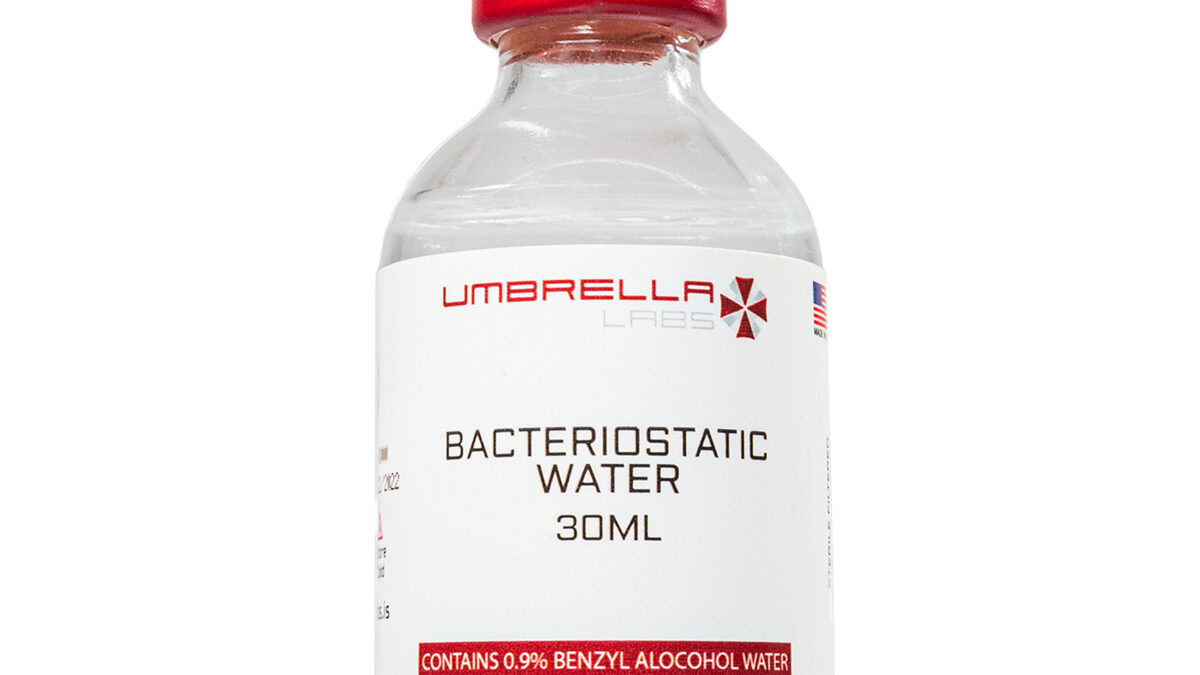
Credit: umbrellalabs.is
What Is Reconstitution Solution
Understanding what a reconstitution solution is can help you handle medications or lab materials more effectively. Simply put, a reconstitution solution is a liquid used to dissolve or dilute a powdered substance. This process makes the substance ready for use, whether it’s a medicine or a chemical reagent.
Many medications come in powder form to keep them stable during storage. The reconstitution solution restores them to their active state. Without it, the powder would be unusable or less effective.
Common Types Of Reconstitution Solutions
- Sterile Water:The most frequently used liquid to mix with powders, especially in injections.
- Saline Solution:A saltwater solution often used to match the body’s natural fluids.
- Buffer Solutions:These maintain a specific pH to protect the active ingredient.
Why Is Reconstitution Necessary?
Have you ever noticed that some medicines come with a small vial of powder and a separate liquid? That’s because they are more stable in powder form. When you mix them, the medicine becomes active and ready to work.
This method also helps extend the shelf life of medications. It reduces the risk of degradation caused by moisture or temperature changes before use. So, reconstitution is about preserving potency and safety.
Where You Typically Encounter Reconstitution Solutions
- In hospitals and clinics for injectable drugs
- At home when using certain antibiotics or vaccines
- In laboratories for preparing chemical reagents
Knowing what reconstitution solutions are helps you follow instructions carefully. It also prepares you to ask the right questions about storage and handling. Have you ever wondered why some solutions require refrigeration while others don’t? That’s an important detail to explore next.

Credit: peptideessence.com
Types Of Reconstitution Solutions
Reconstitution solutions vary based on the medicine and its use. Each type serves a unique purpose in preparing the medication correctly. Knowing the types helps in understanding storage needs and proper handling.
Sterile Water
Sterile water is pure water free from bacteria and other germs. It is commonly used to dissolve powders for injection. This solution does not contain salts or other additives. It usually needs to be stored in a cool, dry place. Refrigeration depends on the medicine instructions.
Saline Solutions
Saline solutions contain salt dissolved in sterile water. The common concentration is 0.9%, called normal saline. It mimics the body’s natural fluids. Saline is often used to reconstitute medicines that require a salt balance. Storage guidelines vary, but many saline solutions can be kept at room temperature.
Other Common Solutions
Other solutions include dextrose, buffers, and special solvents. Dextrose contains sugar and provides energy along with reconstitution. Buffers maintain pH balance during mixing. Some medicines need these specialized solutions for stability. Storage conditions differ, so always check the label or instructions.
Storage Requirements For Reconstitution Solutions
Proper storage of reconstitution solutions is essential for maintaining their effectiveness. Different solutions require specific conditions to stay stable and safe. Understanding these storage needs helps avoid spoilage and ensures the medication works as intended.
Room Temperature Storage
Some reconstitution solutions can be stored at room temperature. Typically, this means keeping them between 20°C and 25°C (68°F to 77°F). Avoid direct sunlight and heat sources. Keep the container tightly closed to prevent contamination. Follow the label instructions carefully for exact temperature ranges.
Refrigeration Needs
Certain solutions require refrigeration to stay potent. Usually, this means storing them between 2°C and 8°C (36°F to 46°F). Refrigeration slows down chemical changes and bacterial growth. Always place the solution in the main part of the fridge, not the door. Check the label for refrigeration requirements before use.
Factors Influencing Storage
- Type of Medication:Some medicines are more sensitive to temperature changes.
- Solution Composition:Ingredients may affect the need for cold storage.
- Manufacturer Instructions:Always follow specific guidelines on the packaging.
- Duration of Use:Short-term solutions may have different storage needs than long-term ones.
- Environmental Conditions:High humidity or heat can alter solution stability.
Credit: www.etsy.com
When Refrigeration Is Necessary
Knowing when a reconstitution solution needs refrigeration is crucial for maintaining its effectiveness and safety. Not every medication requires cold storage after mixing, but certain factors make refrigeration necessary. Understanding these can help you avoid wastage and health risks.
Medication Stability
Some medications lose their strength quickly if left at room temperature after reconstitution. Refrigeration slows down chemical reactions that cause the medicine to break down.
For example, antibiotics like amoxicillin often require refrigeration to keep them effective for the prescribed duration. Have you ever noticed changes in color or smell? These can be signs the medication has become unstable.
Preventing Contamination
Reconstituted solutions can be more vulnerable to bacterial growth. Keeping them cold limits the chances of harmful bacteria multiplying.
If you’ve ever had to discard a medicine because it smelled off or looked cloudy, it might have been due to contamination. Refrigeration helps keep your medication safe to use.
Manufacturer Guidelines
The most reliable source for storage instructions is the manufacturer’s label or leaflet. They test how the medicine behaves under different conditions and provide specific advice.
Ignoring these guidelines can lead to reduced effectiveness or even harm. Always check if the label mentions “store in the refrigerator” or “keep below 25°C” after mixing.
Risks Of Improper Storage
Improper storage of reconstitution solution can cause serious problems. These solutions often require specific conditions to remain safe and effective. Ignoring storage instructions can reduce their quality and lead to health risks. Understanding these risks helps ensure the solution works well and stays safe to use.
Reduced Effectiveness
Reconstitution solutions lose strength if stored incorrectly. Heat, light, and improper temperatures can break down active ingredients. This makes the medication less powerful. Using a weakened solution may not treat the condition properly. It can delay recovery or cause treatment failure.
Bacterial Growth
Warm or unrefrigerated storage encourages bacteria to grow in the solution. Bacteria multiply quickly at room temperature. This contamination can make the solution unsafe to use. It increases the risk of infections when injected or consumed. Proper refrigeration slows down or stops bacterial growth.
Potential Health Hazards
Using a contaminated or weakened solution can harm your health. It may cause allergic reactions, infections, or other side effects. In some cases, it can worsen the illness or cause new problems. Safe storage is vital to avoid these dangerous outcomes. Always follow storage instructions carefully to protect your health.
Tips For Proper Handling And Storage
Proper handling and storage of reconstitution solutions can make a big difference in their effectiveness and safety. You want to make sure that the solution stays stable and uncontaminated throughout its use. Paying attention to details like labeling, temperature control, and disposal can save you from unexpected complications.
Labeling And Expiry Dates
Clear labeling is essential. Write the date you reconstituted the solution right on the container. This helps you keep track of how long it’s been stored and avoid using it past its safe period.
Don’t rely solely on the manufacturer’s expiry date. Once reconstituted, the solution usually has a much shorter lifespan. Check the instructions carefully and mark the new expiry date visibly.
Avoiding Temperature Fluctuations
Consistent temperature is key to preserving the solution’s quality. Avoid placing the solution near the fridge door or in spots where the temperature changes often.
Think about your fridge’s layout: some areas are colder than others. Store the solution in the main compartment rather than the door to prevent unwanted fluctuations.
Have you ever noticed a solution degrading faster after a power outage or when the fridge door stays open too long? These temperature swings can reduce the solution’s effectiveness.
Safe Disposal Practices
Don’t just toss leftover solution down the sink. Some chemicals in reconstitution solutions require special disposal methods to protect the environment.
Check with your local pharmacy or waste management facility about how to dispose of unused or expired solutions safely. They often have guidelines or drop-off points for hazardous materials.
Handling disposal responsibly keeps you and others safe from accidental exposure. It’s a small step that makes a big impact.
Frequently Asked Questions
Does Reconstitution Solution Always Require Refrigeration?
Not all reconstitution solutions need refrigeration. Check the product label or manufacturer’s instructions to confirm storage requirements for safety and effectiveness.
How Long Can Reconstituted Solution Stay Unrefrigerated?
Reconstituted solutions vary in stability. Typically, they should be used within 24 hours if left unrefrigerated, but always follow specific product guidelines.
Can Improper Storage Affect Reconstitution Solution Potency?
Yes, improper storage like not refrigerating when required can degrade the solution, reducing its potency and effectiveness.
What Are Signs That Reconstituted Solution Is Spoiled?
Cloudiness, color change, or unusual odor indicate spoilage. Do not use if these signs appear, and discard the solution safely.
Conclusion
Reconstitution solutions often need cool storage to stay fresh. Check the label for specific instructions. Some solutions lose strength if left warm. Keeping them cold can stop bacteria growth. Always close the container tightly after use. This helps keep the solution clean and safe.
Storing properly ensures the solution works well. Don’t guess—follow the guidance to avoid problems. Proper care saves money and protects your health. Simple steps make a big difference in safety.