Have you ever wondered if refrigerant has a smell? If you’re curious about that mysterious substance keeping your fridge cool or your air conditioner running smoothly, you’re not alone.
Many people are unaware of what refrigerant actually smells like or if it even has a scent at all. Understanding this can be crucial, especially if you’re concerned about potential leaks in your cooling systems. Imagine being able to detect a problem just by relying on your sense of smell! We’ll dive into the details of refrigerant odors, why they matter, and how you can use this knowledge to ensure your appliances are running safely and efficiently.
Keep reading to discover the surprising truth about refrigerant smells and how it could impact your everyday life.
Credit: 4neighborhood.com
What Is Refrigerant Made Of
Understanding what refrigerant is made of can help you grasp why it behaves the way it does. Refrigerants are specially designed chemicals that absorb and release heat efficiently, enabling cooling systems to work. But what exactly goes into these substances?
Common Chemicals Used In Refrigerants
Most refrigerants contain compounds made from elements like carbon, hydrogen, chlorine, fluorine, and sometimes bromine. These elements combine to form groups such as chlorofluorocarbons (CFCs), hydrochlorofluorocarbons (HCFCs), and hydrofluorocarbons (HFCs).
For example, R-134a, a common refrigerant, is made primarily of hydrofluorocarbon molecules. These molecules are chosen because they don’t burn easily and have the right boiling points for cooling.
How Refrigerant Composition Affects Smell
Have you ever noticed a strange smell near an air conditioner? That could be the refrigerant leaking. Most refrigerants themselves are odorless, but additives or impurities can give off faint smells.
Some manufacturers add a subtle odor to refrigerants to help detect leaks quickly. This can be a lifesaver for technicians and homeowners alike because small leaks might otherwise go unnoticed.
Environmental Impact Of Refrigerant Components
The chemical makeup of refrigerants also influences their environmental impact. Chlorine-containing refrigerants like CFCs and HCFCs damage the ozone layer and are being phased out worldwide.
Newer refrigerants, like HFCs, have less ozone impact but still contribute to global warming. This has pushed the industry to develop natural refrigerants such as ammonia and carbon dioxide, which are safer for the planet.
Common Types Of Refrigerants
Refrigerants come in various types, each with unique properties and characteristics, including whether or not they have a noticeable smell. Understanding the common types can help you identify leaks faster and decide on the best refrigerant for your needs. Let’s look closely at some of the most widely used refrigerants today.
R-22 (chlorodifluoromethane)
R-22 was once the most popular refrigerant in air conditioning systems. It has a faint, sweet smell that some technicians can detect during leaks. However, due to its ozone-depleting properties, R-22 is being phased out globally.
R-134a (tetrafluoroethane)
Commonly used in car air conditioners and refrigerators, R-134a is odorless to most people. Still, some professionals report a slightly ether-like scent when leaks occur. If you ever notice an unusual smell near your AC, it could be a sign of R-134a escaping.
R-410a (puron)
This refrigerant is a blend designed to replace R-22 in newer systems. It’s generally odorless, making leaks harder to detect by smell alone. You might need to rely on other signs like reduced cooling or a hissing sound to spot a leak.
Natural Refrigerants (ammonia, Co2, Hydrocarbons)
Natural refrigerants like ammonia have a sharp, pungent smell that is hard to miss. CO2 is odorless, but hydrocarbons like propane give off a faint, sweet smell. If you ever smell something unusual near your cooling system, it’s worth checking these options as well.
Do Refrigerants Have A Smell
Have you ever wondered if refrigerants have a smell? Many people assume that if there’s a leak, they would be able to detect it by scent. The truth is more complex and depends on the type of refrigerant involved.
Do Refrigerants Naturally Have A Smell?
Most refrigerants are actually odorless in their natural form. This means if a refrigerant leaks, you might not notice any smell at all. This can make leaks harder to detect without proper tools.
However, some newer refrigerants have additives that give them a faint odor for safety reasons. These additives help technicians find leaks faster during maintenance. But the smell is usually very subtle and not something you’d easily detect without training.
Common Types Of Refrigerants And Their Smells
| Refrigerant Type | Typical Smell | Notes |
|---|---|---|
| Freon (R-22) | Odorless | Widely used but being phased out; leaks are hard to detect by smell |
| R-134a | Odorless or faint chemical smell | Common in car AC systems; leak detection requires special tools |
| Ammonia (R-717) | Pungent, sharp smell | Used in industrial refrigeration; smell can alert you quickly |
| Hydrocarbon refrigerants (e.g., propane) | Sweet, ether-like smell | Flammable; smell helps detect leaks promptly |
Why You Shouldn’t Rely On Smell Alone To Detect Refrigerant Leaks
Even if some refrigerants have a faint odor, relying on smell to find leaks is risky. The smell can be too weak or masked by other household odors. Plus, many refrigerants are toxic or harmful to breathe.
Professional leak detectors and sensors are more reliable. If you suspect a leak, it’s safer and smarter to call a technician instead of trying to sniff it out yourself. Can you afford to miss a leak that could damage your system or harm your health?
Credit: www.mrcool.com
How To Detect Refrigerant Leaks
Detecting refrigerant leaks is crucial for maintaining your cooling system’s efficiency and safety. Knowing how to spot these leaks early can save you from costly repairs and environmental harm. Here are practical ways you can identify refrigerant leaks quickly and effectively.
Visual Signs
Look closely around your air conditioning unit or refrigerator for oily residue or stains. Refrigerant often carries oil, which can leave visible marks near leak points.
Also, check for frost buildup on refrigerant lines or connections. This unusual ice formation can indicate a leak or pressure drop in the system.
Have you noticed any damaged or corroded components? These could be the weak spots where refrigerant escapes.
Using Electronic Detectors
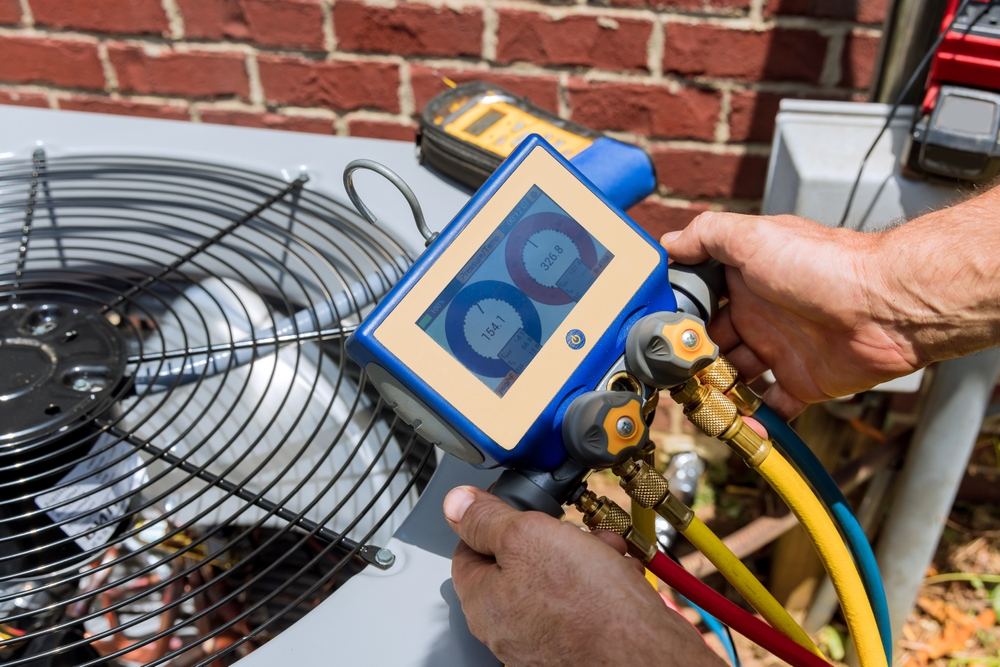
Electronic refrigerant detectors are designed to sense even small leaks. They work by picking up refrigerant gas molecules in the air.
These devices often beep or light up when they detect a leak, making it easier for you to pinpoint the exact location.
If you’ve ever used one, you know how quickly it can help you find hidden leaks that are hard to see or smell.
Natural Indicators
Some refrigerants have a faint chemical smell, often described as sweet or ether-like. Pay attention if your HVAC system or refrigerator smells unusual.
Listen for hissing sounds near your cooling system. This noise can indicate escaping refrigerant under pressure.
Feeling a noticeable drop in cooling performance? Reduced efficiency can be a sign that refrigerant is leaking.
Health Risks Of Refrigerant Exposure
Refrigerants are chemicals used in cooling systems like air conditioners and refrigerators. Exposure to these substances can cause health problems. Understanding the risks helps protect yourself and others. Some refrigerants have little to no smell, making it hard to detect leaks. This increases the danger of accidental exposure.
Short-term Effects
- Headaches and dizziness
- Nausea and vomiting
- Eye and throat irritation
- Breathing difficulties or coughing
- Skin irritation or rash
These symptoms can appear quickly after exposure. High levels of refrigerant inhalation may cause confusion or loss of coordination. Immediate fresh air and medical help are crucial in such cases.
Long-term Consequences
- Chronic respiratory problems
- Damage to the nervous system
- Heart rhythm disturbances
- Potential liver and kidney damage
Repeated or prolonged exposure to refrigerants can lead to lasting health issues. Some chemicals may affect the body’s organs and overall function over time. Proper safety measures reduce the risk of these serious effects.
Credit: airaceheatingandcooling.com
Safety Tips When Handling Refrigerants
Handling refrigerants requires careful attention to safety because these chemicals can be harmful if not managed properly. Understanding the right precautions can protect your health and prevent accidents. Let’s look at key safety tips that you should keep in mind whenever you work with refrigerants.
Protective Gear
Always wear the right protective gear before you start handling refrigerants. This includes gloves that resist chemical exposure, safety goggles to protect your eyes, and long-sleeved clothing to cover your skin.
Imagine a small leak splashing on your skin—it can cause irritation or frostbite. Wearing the proper gear minimizes this risk and keeps you safe.
Proper Ventilation
Make sure the area where you work with refrigerants is well-ventilated. Refrigerants can displace oxygen or release harmful gases if they leak, which could lead to dizziness or worse.
Open windows, use exhaust fans, or work outside when possible. This simple step helps prevent dangerous buildup of fumes and keeps the air safe to breathe.
Emergency Procedures
Know what to do if a refrigerant leak happens. Keep a clear plan ready, including how to evacuate the area and who to contact for help.
- Have a fire extinguisher and first aid kit nearby.
- Learn how to use a refrigerant leak detector.
- Know emergency phone numbers and alert coworkers immediately if you detect a leak.
Have you ever thought about how quickly a small leak can turn into a serious emergency? Being prepared can make all the difference in keeping yourself and others safe.
Environmental Impact Of Refrigerants
Refrigerants play a crucial role in cooling systems, but their environmental impact is often overlooked. Understanding how these chemicals affect our planet helps you make informed choices about their use and disposal. Let’s take a closer look at the two major environmental concerns associated with refrigerants.
Ozone Layer Damage
Some refrigerants contain chlorine and bromine, which can break down the ozone layer. This layer protects us from harmful ultraviolet rays. When refrigerants leak into the atmosphere, they release these harmful elements, causing holes in the ozone layer.
You might have heard about CFCs and HCFCs—common refrigerants banned or phased out because of their ozone-depleting properties. Switching to alternatives that don’t harm the ozone layer reduces this risk significantly. Have you ever thought about the impact of a small leak in your air conditioner on the ozone?
Global Warming Potential
Refrigerants also contribute to global warming through their Global Warming Potential (GWP). This measures how much heat a gas traps in the atmosphere compared to carbon dioxide. Some refrigerants have a GWP thousands of times higher than CO2.
Choosing refrigerants with low GWP can make a big difference in reducing greenhouse gas emissions. For example, natural refrigerants like ammonia or carbon dioxide have much lower GWP values. What steps are you taking to minimize your carbon footprint when using cooling systems?
Alternatives To Traditional Refrigerants
Traditional refrigerants often harm the environment and may have strong odors. Alternatives offer safer and eco-friendly options. These choices reduce environmental damage and provide reliable cooling. Exploring these alternatives helps us find better solutions for refrigeration needs.
Natural Refrigerants
Natural refrigerants come from plants and natural sources. They have low global warming potential and no ozone depletion. Common natural refrigerants include:
- Ammonia (NH3)– efficient and widely used in industrial cooling.
- Carbon dioxide (CO2)– non-toxic and safe for the environment.
- Hydrocarbons (propane, isobutane)– effective in small refrigeration systems.
Natural refrigerants usually have little to no smell. They are safer for the planet and often cost-effective.
Low-impact Synthetic Options
These are man-made refrigerants designed to reduce environmental harm. They have lower global warming potential than older types. Examples include:
- Hydrofluoroolefins (HFOs)– break down quickly in the atmosphere.
- Hydrochlorofluorocarbons (HCFCs)– less damaging but still being phased out.
Low-impact synthetics often have mild or no odor. They serve as a bridge to more natural refrigerants.
Frequently Asked Questions
Does Refrigerant Have A Noticeable Smell?
Most refrigerants are odorless or have a faint chemical smell. Some types include added odorants to detect leaks quickly and safely.
How Can I Detect A Refrigerant Leak By Smell?
Since many refrigerants have little to no smell, detecting leaks by odor alone is difficult. Use professional leak detectors instead.
Are Refrigerant Smells Harmful To Health?
Inhaling refrigerant fumes can cause dizziness, headaches, or respiratory issues. Avoid exposure and ensure proper ventilation during handling.
Why Do Some Refrigerants Smell Sweet Or Ether-like?
Certain refrigerants or their breakdown products may emit sweet or ether-like odors. These smells indicate a leak or system malfunction needing attention.
Conclusion
Refrigerants usually have little or no smell to most people. Some types may have a faint chemical scent. Detecting a leak by smell alone is hard and not reliable. Safety is important when handling refrigerants. Always call a professional if you suspect a leak.
Knowing the facts helps protect your home and health. Stay aware and act quickly to avoid risks. Understanding refrigerants’ smell keeps you safer every day.