Ever wondered if your refrigerator water filter is really doing its job? You’re not alone.
Many people are curious about what these filters actually remove from their drinking water. One common concern is fluoride. While fluoride is known for its dental health benefits, some people prefer to minimize their exposure to it. If you’re one of them, you might be asking yourself: “Does my refrigerator filter remove fluoride?
” Before you take another sip, let’s dive into the facts and unveil the truth. Your health is worth it, and understanding how your water filter works is a crucial step in ensuring that the water you and your family drink is as safe and pure as possible. Keep reading to discover what your refrigerator filter can and cannot do when it comes to fluoride.
How Fluoride Enters Drinking Water
Understanding how fluoride gets into your drinking water is key to deciding whether a refrigerator filter can remove it. Fluoride appears in water through different routes, both natural and human-influenced. Knowing these sources helps you gauge your exposure and the effectiveness of filtration methods.
Natural Sources Of Fluoride
Fluoride occurs naturally in the earth’s crust and soil. When rainwater or groundwater passes through rocks containing fluoride minerals, it dissolves some of this element into the water. This means well water or spring water often contains varying fluoride levels depending on the local geology.
If you rely on a private well, it’s important to test your water for fluoride. High natural fluoride can affect taste and health over time. Have you checked your water source recently?
Fluoride In Municipal Water Supply
Many cities add fluoride to their public water supply to help reduce tooth decay. This process, called water fluoridation, typically aims for a safe, controlled fluoride concentration. However, the exact amount varies by location and regulations.
Municipal fluoride comes from chemicals like sodium fluoride or fluorosilicic acid. These additives mix into the water during treatment before reaching your tap. This deliberate addition raises questions about whether standard refrigerator filters can block fluoride particles effectively.

Credit: briowater.com
Types Of Refrigerator Water Filters
Refrigerator water filters come in various types. Each type targets different impurities in water. Understanding these types helps in choosing the right filter for your needs. Here are the main types of refrigerator water filters and how they work.
Carbon Filters
Carbon filters use activated carbon to trap contaminants. They are good at removing chlorine, bad taste, and odors. These filters can reduce some chemicals but struggle with fluoride. Carbon filters improve water flavor but may not remove all harmful substances.
Reverse Osmosis Filters
Reverse osmosis (RO) filters push water through a fine membrane. This process removes many impurities, including fluoride. RO filters are very effective at purifying water. However, they may waste some water and need regular maintenance.
Other Filtration Technologies
Some filters use technologies like ion exchange or ultraviolet light. Ion exchange can soften water and reduce metals. UV light kills bacteria and viruses but does not remove chemicals. These filters often work alongside carbon or RO filters for better results.
Effectiveness Of Refrigerator Filters Against Fluoride
Refrigerator filters help improve water taste and remove some impurities. Their ability to remove fluoride varies by filter type. Fluoride is a small ion, which makes it hard to filter out. Understanding how different filters work helps choose the best option.
Carbon Filter Capabilities
Most refrigerator filters use activated carbon. Carbon filters reduce chlorine, bad odors, and some chemicals. They work by trapping contaminants in tiny pores. Carbon filters do not remove fluoride effectively. Fluoride ions are too small to be caught by carbon. So, a standard carbon filter will not reduce fluoride levels.
Reverse Osmosis And Fluoride Removal
Reverse osmosis (RO) systems use a special membrane. This membrane blocks many dissolved solids, including fluoride. RO is one of the best methods to reduce fluoride in water. Some refrigerators have built-in RO filters. These are more effective for fluoride than carbon filters. RO filters also remove lead, arsenic, and other harmful substances.
Limitations Of Standard Filters
- Do not remove fluoride well
- Mostly target chlorine and sediments
- May not filter all bacteria or viruses
- Need frequent replacement for best results
Standard refrigerator filters improve water taste but offer limited fluoride protection. For fluoride removal, specialized filters like reverse osmosis are necessary. Knowing these differences helps pick the right water filter for your needs.

Credit: www.acewatershop.com.au
Testing Fluoride Levels After Filtration
Testing fluoride levels after using a refrigerator filter helps verify its effectiveness. Many people want to know if these filters actually reduce fluoride in drinking water. Measuring fluoride before and after filtration gives clear evidence.
Accurate testing shows if the filter meets your expectations. It also helps decide if you need a different filtration system. Testing is simple with the right tools and methods.
Methods To Measure Fluoride
Several ways exist to measure fluoride levels in water. Some are easy and affordable, while others require special equipment.
- Fluoride Test Kits: These kits use test strips or drops to detect fluoride. They are quick and easy for home use.
- Digital Fluoride Meters: These devices give precise readings. They are more accurate but cost more.
- Laboratory Testing: Sending water samples to a lab offers the most accurate results. Labs use advanced chemical analysis techniques.
Interpreting Test Results
Understanding fluoride test results is important for making decisions. Test results usually show fluoride concentration in parts per million (ppm).
Safe fluoride levels in drinking water range from 0.7 to 1.2 ppm. Values below this range mean the filter reduces fluoride well. Higher values suggest the filter may not remove fluoride effectively.
Compare results before and after filtration to see the difference. Small differences mean little fluoride removal. Large drops indicate effective filtration.
Health Implications Of Fluoride In Water
Fluoride is a mineral commonly found in water sources. It plays a role in dental health but raises questions about safety. Understanding the health effects of fluoride helps in making informed choices about water consumption. The balance between benefits and risks is important for overall wellbeing.
Benefits Of Fluoride
Fluoride strengthens tooth enamel, making teeth more resistant to decay. It helps reduce cavities, especially in children. Many dentists support its use in dental care products and water supplies. Fluoride can lower dental treatment costs by preventing tooth damage.
Concerns And Risks
Excess fluoride intake may cause dental fluorosis, a condition that affects tooth appearance. Some studies suggest long-term high fluoride exposure could impact bone health. Sensitive individuals may experience other health issues, though evidence varies. Monitoring fluoride levels in drinking water is important to avoid overexposure.
Alternatives For Fluoride Removal
Fluoride is a common element in water, but some want to reduce its levels at home. Regular refrigerator filters usually do not remove fluoride effectively. Other options exist to help lower fluoride in drinking water. These alternatives vary in cost and installation needs.
Specialized Filters
Specialized filters use materials designed to capture fluoride particles. These include activated alumina and bone char filters. They fit on sinks or attach to water pitchers. Fluoride sticks to the filter media, reducing its presence in water.
These filters need regular replacement for best results. They work well for small amounts of fluoride. Easy to install and maintain, they suit households seeking targeted fluoride removal.
Whole House Filtration Systems
Whole house systems treat all water entering a home. These systems combine multiple filtration methods to reduce fluoride and other contaminants. They provide filtered water from every tap and appliance.
Installation requires professional help and higher initial cost. They offer long-term protection and convenience for families. Ideal for those wanting fluoride-free water throughout the house.
Choosing The Right Refrigerator Filter
Choosing the right refrigerator filter matters for clean and safe water. Not all filters remove the same contaminants. Some reduce chlorine and sediments. Others target heavy metals and bacteria. Fluoride removal needs special attention. Select a filter designed with that goal. Check product details before buying. Quality and efficiency depend on filter type.
Filter Certifications To Look For
Certifications prove a filter meets safety and performance standards. Certified filters often remove more contaminants. Look for these trusted marks:
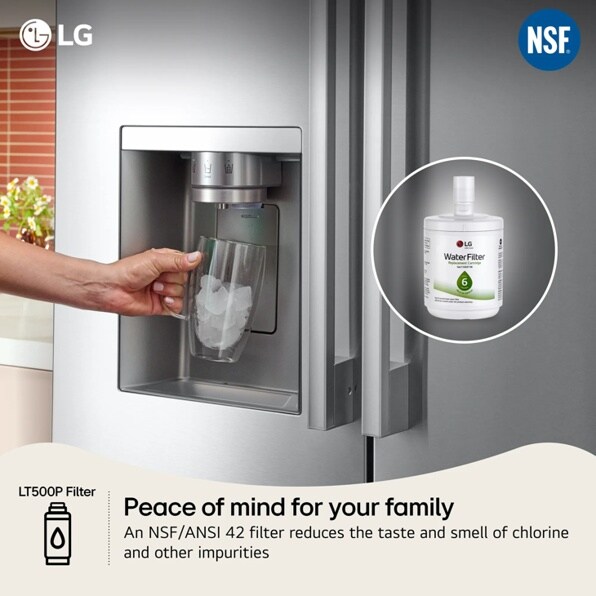
- NSF/ANSI Standard 42: Reduces chlorine and improves taste.
- NSF/ANSI Standard 53: Removes health-related contaminants like lead.
- NSF/ANSI Standard 58: Certified for reverse osmosis systems.
- WQA Gold Seal: Ensures high-quality filtration.
Filters with these certifications provide better water quality. Check if the filter specifically mentions fluoride removal.
Maintenance And Replacement Tips
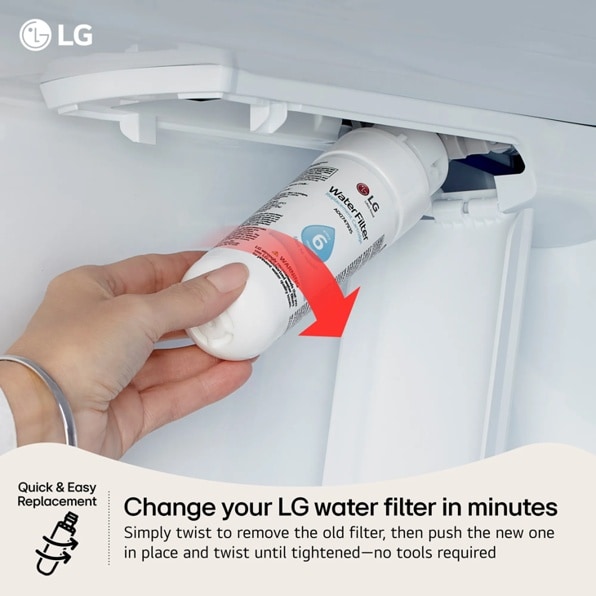
Proper maintenance keeps filters working well. Replace filters as the manufacturer suggests. Old filters can clog and lose effectiveness.
- Mark replacement dates on your calendar.
- Flush the filter before first use.
- Clean the filter housing regularly.
- Use only compatible filter models for your fridge.
Regular upkeep ensures safe, fresh water every day.
Credit: www.lg.com
Frequently Asked Questions
Does A Refrigerator Filter Remove Fluoride Effectively?
Most standard refrigerator filters do not remove fluoride. Fluoride requires specialized filtration like reverse osmosis or activated alumina. Refrigerator filters mainly reduce chlorine, sediment, and odors, not fluoride.
What Filters Are Best For Fluoride Removal?
Reverse osmosis systems and activated alumina filters effectively remove fluoride from water. These filters target fluoride ions specifically, unlike common refrigerator filters.
Can Fluoride In Drinking Water Harm Health?
Fluoride is beneficial in small amounts for dental health. Excessive fluoride can cause fluorosis and other health issues, so controlling levels is important.
How To Test Water For Fluoride Content?
You can test water fluoride levels using home test kits or professional lab analysis. Regular testing ensures safe fluoride concentrations in drinking water.
Conclusion
Refrigerator filters do not usually remove fluoride from water. Most filters focus on chlorine, taste, and odors. Fluoride needs special filters like reverse osmosis or activated alumina. Knowing what your filter removes helps you choose the right one. Clean, safe water depends on the filter’s ability.
Always check the filter’s specifications before buying. This way, you get the water quality you want. Stay informed and pick filters that match your needs. Clear water with or without fluoride is possible with the right filter.