
Have you ever wondered if your refrigerator needs Freon to keep your food fresh? If your fridge is acting up or not cooling like it used to, this question might be on your mind.
Understanding whether your refrigerator uses Freon can help you spot problems early and avoid costly repairs. You’ll discover the truth about Freon, how it works in your fridge, and what you should do if you suspect a leak. Keep reading to make sure your fridge stays in perfect shape and your food stays safe.
Role Of Freon In Refrigerators
Freon plays a crucial role in the cooling process inside your refrigerator. It acts as the medium that transfers heat from the inside of the fridge to the outside, keeping your food fresh and your drinks cold. Without Freon or a similar refrigerant, the appliance simply wouldn’t be able to maintain the low temperatures you rely on daily.
How Freon Cools
Freon works by cycling through the refrigerator’s cooling system in a loop. It starts as a low-pressure gas and then gets compressed into a high-pressure, high-temperature gas.
This hot gas travels through coils where it cools down and turns into a liquid. As the liquid Freon evaporates inside the fridge’s evaporator coils, it absorbs heat from the interior, lowering the temperature. This cycle repeats, effectively removing heat from your fridge’s interior and releasing it outside.
Types Of Refrigerants Used
Freon is a brand name, but it generally refers to a group of chemicals called chlorofluorocarbons (CFCs) and hydrochlorofluorocarbons (HCFCs). However, due to environmental concerns, many older refrigerants have been phased out.
Modern refrigerators now use safer, more eco-friendly refrigerants like:
- R-134a:Common in many newer refrigerators, it doesn’t harm the ozone layer.
- R-600a (Isobutane):A natural refrigerant with excellent cooling efficiency and low environmental impact.
- R-410A:Mostly used in air conditioning but sometimes found in specialized refrigeration units.
Are you aware of which refrigerant your refrigerator uses? Checking this can help you understand its efficiency and environmental footprint better.

Credit: www.searshomeservices.com
Signs Of Freon Issues
Detecting freon problems early keeps your refrigerator working well. Freon is the key refrigerant that cools the fridge. When freon leaks or runs low, the fridge struggles to keep food cold. Recognizing signs of freon issues helps avoid costly repairs and food spoilage. Below are key signs to watch out for.
Common Symptoms Of Leaks
- Frost buildup on fridge coils or walls
- Unusual hissing or bubbling sounds
- Oil stains or residue near cooling components
- Fridge stops cooling but compressor still runs
- Fridge runs constantly without reaching cold temperatures
Impact On Cooling Efficiency
Low freon reduces the fridge’s ability to cool effectively. Food may spoil faster due to higher internal temperatures. The compressor works harder, increasing energy use and wear. Ice cream may soften, and drinks may not chill properly. Without enough freon, the fridge cannot maintain a steady cold environment.
Alternatives To Freon
Freon has been a common refrigerant in many refrigerators for years. Its use raises concerns about the environment and health. Alternatives to Freon are becoming popular. They offer safer and greener options for cooling systems. These alternatives help reduce harm to the ozone layer and lower greenhouse gas emissions.
Eco-friendly Refrigerants
Eco-friendly refrigerants work well without damaging the environment. They include natural substances like:
- Hydrocarbons (such as propane and isobutane)
- Carbon dioxide (CO2)
- Ammonia
These refrigerants have low global warming potential. They break down quickly and do not harm the ozone layer. Many new refrigerators use these safer options. They keep your food cold while protecting the planet.
Modern Cooling Technologies
New cooling technologies reduce the need for harmful chemicals. Some systems use magnetic or thermoelectric cooling instead of traditional refrigerants. These methods are quiet and energy-efficient. They also avoid leaks and pollution. Innovations like vacuum insulation panels improve fridge efficiency. This means less energy is used to keep food fresh.

Credit: www.townappliance.com
Refilling And Maintenance
Refilling and maintaining the Freon in your refrigerator is crucial for its efficiency and longevity. Understanding when to refill and deciding between professional help or a DIY approach can save you time and money. Let’s dive into what you need to know to keep your fridge running smoothly.
When To Refill Freon
Not all refrigerators need Freon refills regularly. If your fridge isn’t cooling properly or you hear unusual noises, it might be a sign of low refrigerant levels. However, a drop in cooling can also result from other issues like a dirty condenser coil or a faulty thermostat.
Keep an eye out for:
- Warm temperatures inside the fridge despite normal settings
- Ice buildup on the evaporator coils
- Increased energy bills without any change in usage
But remember, Freon doesn’t typically “run out” like fuel. A leak is often the cause of low refrigerant, which means refilling alone won’t fix the problem unless the leak is repaired.
Professional Vs Diy Approach
Handling Freon requires caution. Professionals have the right tools to detect leaks, safely remove and add refrigerant, and ensure your refrigerator complies with environmental regulations.
Attempting to refill Freon yourself might seem cost-effective, but it carries risks such as improper handling and possible damage to the fridge. Moreover, refrigerants are regulated substances, and unauthorized handling can be illegal.
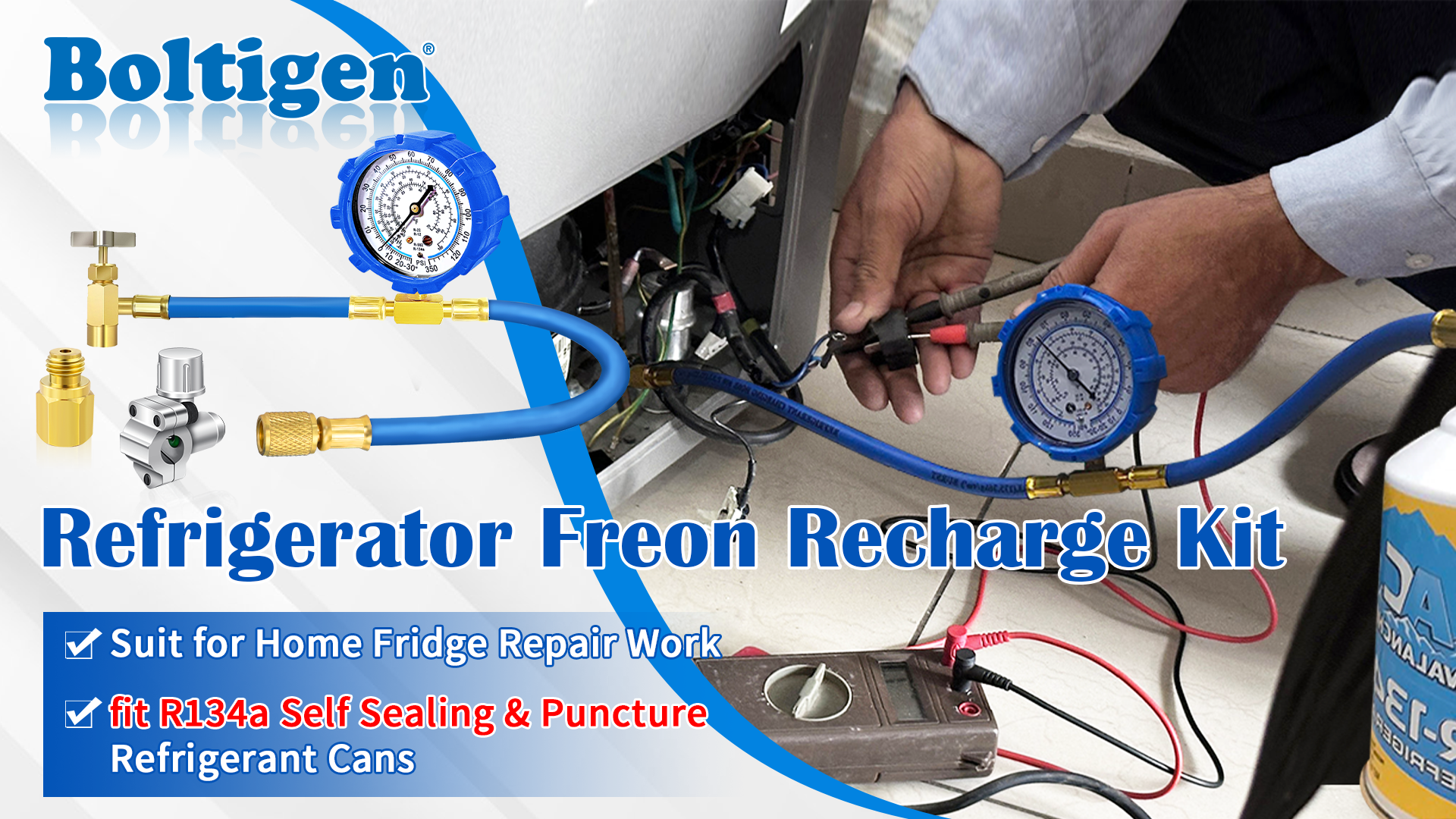
If you decide to take a DIY route, make sure you have:
- A proper gauge set to measure pressure
- The exact type of refrigerant your fridge uses
- Clear instructions specific to your refrigerator model
Have you ever tried fixing your fridge on your own? Did it save you money, or did you end up calling a professional anyway? Sometimes, letting an expert handle Freon refilling can avoid bigger expenses down the line.
Environmental And Safety Concerns
Refrigerators often use Freon as a refrigerant to keep food cold. This chemical has raised concerns about its effects on the environment and human safety. Understanding these concerns helps users handle refrigerators responsibly and protect the planet.
Freon’s Environmental Impact
Freon contains chemicals called chlorofluorocarbons (CFCs) or hydrochlorofluorocarbons (HCFCs). These chemicals harm the ozone layer, which protects Earth from harmful ultraviolet rays. When Freon leaks, it rises to the atmosphere and breaks down ozone molecules. This damage leads to increased UV radiation reaching the surface.
Increased UV rays can cause skin cancer and harm plants and animals. Freon also contributes to global warming by trapping heat in the atmosphere. Its impact lasts for many years, making it a serious environmental problem. Newer refrigerants are designed to be safer and less harmful.
Safe Handling Practices
Handling Freon requires care to avoid leaks and exposure. Only trained professionals should repair or refill refrigerators with Freon. They use special tools and follow safety rules to prevent accidents.
- Do not try to open or fix refrigerant lines yourself.
- Avoid releasing Freon into the air during repairs.
- Use protective gear like gloves and masks when handling refrigerants.
- Recycle or dispose of old refrigerators properly to prevent leaks.
- Report any signs of leaks, such as strange smells or reduced cooling.
Following these practices keeps people safe and reduces environmental damage. Proper care extends the life of the refrigerator and protects the planet.
Credit: www.amazon.ca
Frequently Asked Questions
Does A Refrigerator Need Freon To Cool?
Yes, Freon or a similar refrigerant is essential for cooling. It absorbs heat inside the fridge and releases it outside, enabling the cooling process.
Can Refrigerators Use Refrigerants Other Than Freon?
Yes, modern refrigerators often use eco-friendly refrigerants like R-600a instead of Freon. These alternatives are safer and more energy-efficient.
How Does Freon Work Inside A Refrigerator?
Freon circulates through coils, absorbing heat from inside the fridge. It then releases heat outside, maintaining a cool interior temperature efficiently.
What Happens If A Refrigerator Runs Out Of Freon?
If Freon leaks or depletes, the fridge loses cooling ability. This causes higher temperatures and potential food spoilage without proper refrigerant levels.
Conclusion
Refrigerators need Freon or similar refrigerants to cool properly. Without it, they cannot remove heat from inside. Over time, Freon can leak and cause cooling problems. Regular checks help keep your fridge working well. If cooling drops, call a technician to check the refrigerant.
Knowing about Freon helps you understand how your fridge works. Keep your fridge maintained for fresh food and lower energy bills. Simple care goes a long way in keeping your refrigerator efficient.