Are you wondering if your refrigerator really needs a GFCI outlet? You might think it’s just an extra safety step, but the answer could affect your kitchen’s safety and your peace of mind.
Knowing whether your fridge should be plugged into a GFCI can protect your home from electrical hazards and save you from costly repairs. Keep reading to find out what’s best for your appliance and how to keep your kitchen safe without hassle.

Credit: joca-cable.com
Gfci Basics
Understanding GFCI basics helps protect your home and appliances. GFCI stands for Ground Fault Circuit Interrupter. It is a safety device used in electrical circuits.
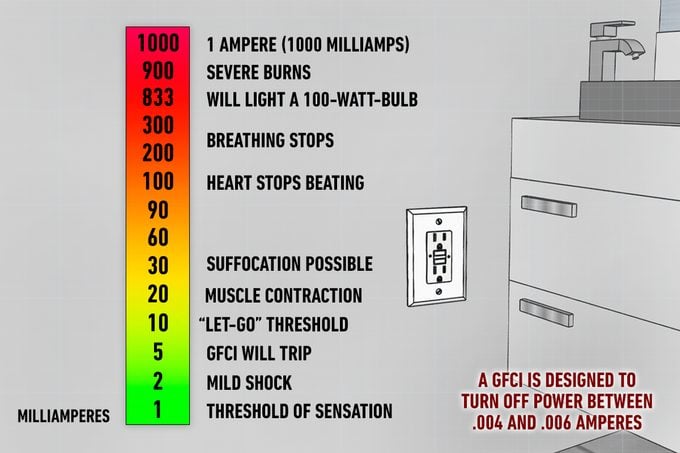
GFCI devices reduce the risk of electric shock. They detect electrical faults and cut off power quickly. This technology is crucial near water sources.
What Is A Gfci
A GFCI is a special outlet or circuit breaker. It monitors the flow of electricity in a circuit. It looks for any difference between the hot and neutral wires.
Even a small difference can signal a ground fault. Ground faults happen when electricity escapes the circuit and touches a person or water.
GFCI devices protect people by stopping electricity flow fast. They are commonly found in kitchens, bathrooms, and outdoor areas.
How Gfci Works
The GFCI constantly checks the electric current. It compares the amount going out and coming back.
If the current flowing out does not match the current returning, the GFCI reacts. It shuts off power in milliseconds. This quick action prevents serious shocks and injuries.
GFCI outlets include a test and reset button. Testing ensures the device works correctly. Resetting restores power after a trip.
Refrigerator And Gfci Compatibility
Understanding the compatibility between refrigerators and Ground Fault Circuit Interrupters (GFCIs) is crucial for both safety and appliance performance. While GFCIs protect you from electrical shocks, they can sometimes interfere with how refrigerators operate. Let’s look at common practices and potential issues to help you decide if your refrigerator should be on a GFCI circuit.
Common Practices For Refrigerators
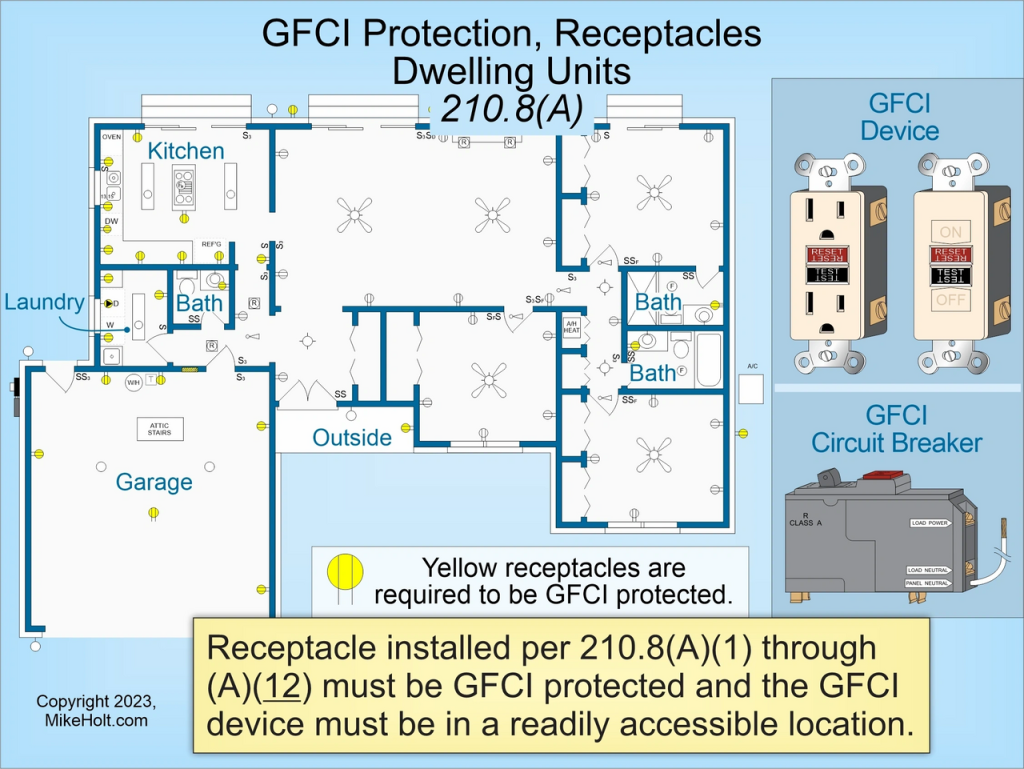
Many electricians avoid placing refrigerators on GFCI outlets because it can lead to nuisance tripping. However, the National Electrical Code (NEC) does recommend GFCI protection in certain locations like kitchens and garages where refrigerators are often installed.
In residential kitchens, it’s common to find refrigerators plugged into regular outlets rather than GFCIs. This approach reduces the chance of unexpected power interruptions that could spoil food. Still, some newer installations do use GFCI outlets, especially near sinks or wet areas for added safety.
- Most refrigerators operate without issues on standard outlets.
- GFCI protection is often required by code in damp or wet locations.
- Consult your local electrical codes and appliance manual for guidance.
Potential Issues With Gfci
Refrigerators can cause nuisance tripping of GFCI outlets due to their compressor motors and internal electronics. These components sometimes create small electrical leakage currents that the GFCI detects as faults.
This leads to the GFCI cutting power unexpectedly, causing the refrigerator to restart frequently or lose cooling temporarily. Imagine coming home to spoiled groceries because your fridge kept shutting off during the day—frustrating, right?
To reduce this risk, you can:
- Use a dedicated circuit for your refrigerator.
- Choose outlets with better sensitivity settings if allowed by code.
- Consider installing a GFCI breaker instead of outlet-based GFCI to improve reliability.
Have you experienced sudden fridge outages? Checking the type of outlet and considering its compatibility might save you time and money on spoiled food and repairs.
Electrical Codes And Regulations
Electrical codes and regulations play a key role in home safety and appliance installation. These rules help prevent electrical shocks and fire hazards. Understanding these codes is important when deciding if your refrigerator needs a GFCI outlet. Different codes set standards for wiring and protection in kitchens and other areas.
Refrigerators often run on dedicated circuits. The use of GFCI protection depends on where and how the appliance is connected. Following the correct codes keeps your home safe and meets legal requirements.
National Electrical Code Requirements
The National Electrical Code (NEC) sets the baseline for electrical safety across the United States. It requires GFCI protection in areas with water sources, like kitchens. However, the NEC has specific rules for refrigerators.
Under NEC, GFCI protection is generally required for kitchen receptacles. This includes outlets that serve countertop surfaces. But for a refrigerator’s dedicated circuit, the code allows exceptions. Many refrigerators do not need GFCI if the outlet is not within six feet of a sink.
The NEC aims to balance safety with appliance function. GFCI outlets can sometimes cause nuisance trips with refrigerators. So, the code offers some flexibility based on location and use.
Local Code Variations
Local building codes can vary from the NEC. States and cities may have stricter or more relaxed rules. Some require GFCI protection on all kitchen outlets, including those for refrigerators.
Before installation, check local codes or consult a licensed electrician. They can provide guidance on what is legal and safe in your area. Local authorities may also update codes more frequently than the NEC.
Always follow the most current code to ensure safety and avoid fines. Local inspectors may require proof of compliance during home inspections or renovations.

Credit: www.youtube.com
Safety Risks Without Gfci
Refrigerators are essential kitchen appliances. Safety around them is crucial. Without a Ground Fault Circuit Interrupter (GFCI), risks increase. Electrical faults may cause harm or damage. Understanding these risks helps protect your home and family.
Electric Shock Hazards
Electric shocks can happen if wiring is faulty. Water or moisture near the refrigerator raises the risk. A GFCI cuts power instantly when it detects a fault. Without it, shocks may cause injury or worse. Children and elderly are especially vulnerable to shocks.
Fire Risks
Electrical faults can lead to fires. Overheating or short circuits may ignite flammable materials. GFCIs reduce fire risks by stopping current flow. Without GFCI protection, small faults can escalate quickly. Fire damage can destroy property and endanger lives.
When To Install Gfci For Refrigerators
Knowing when to install a GFCI (Ground Fault Circuit Interrupter) for your refrigerator can protect you and your home from electrical hazards. Not every location calls for a GFCI, but certain areas demand this safety feature. Understanding where and when to add GFCI can save you from costly repairs and potential shocks.
Locations That Require Gfci
GFCI outlets are typically required in places where water and electricity are close. Kitchens, especially near sinks, almost always need GFCI protection. If your refrigerator is plugged in within six feet of a sink, a GFCI outlet is usually mandatory to prevent shock risks.
Other spots include:
- Garages
- Basements
- Outdoor areas
- Utility rooms or laundry spaces
Have you checked if your kitchen or utility area follows these rules? It’s important because water splashes can happen unexpectedly, and GFCIs react quickly to cut off power.
Exceptions To The Rule
Not every refrigerator needs a GFCI. If your fridge is located in a dry, dedicated kitchen area away from sinks, the code often does not require a GFCI outlet. Some older homes may have outlets without GFCI and still operate safely if no water source is nearby.
In commercial settings or specialized appliances, different rules may apply. Also, some refrigerators have built-in safety features reducing the need for GFCI protection. But ask yourself: Is the cost and effort of adding a GFCI worth the extra layer of safety in your space?
Regularly inspecting your outlets and knowing where GFCI is required helps you make smart, safe choices. Don’t assume your fridge is automatically protected just because it’s plugged in—know your environment and protect your family accordingly.
Credit: www.familyhandyman.com
Tips For Safe Refrigerator Installation
Ensuring your refrigerator is installed safely goes beyond just plugging it in. Proper installation protects your appliance and your home from electrical issues, and it helps your refrigerator run efficiently. Let’s dive into some practical tips that can make a significant difference in how safely your refrigerator operates.
Proper Outlet Placement
Choosing the right outlet location is crucial for safe refrigerator use. Position the outlet so the cord isn’t stretched tight or bent sharply, which can cause wear and even electrical shorts over time.
Make sure the outlet is easily accessible. This allows you to unplug the fridge quickly if needed without moving the appliance or risking damage.
Have you checked if your outlet is grounded? A grounded outlet reduces the risk of electrical shock and protects your refrigerator’s sensitive components.
Regular Maintenance Checks
Regularly inspecting your refrigerator’s power cord and plug can prevent many common electrical problems. Look for cracks, frays, or discoloration—any sign of damage means it’s time to replace the cord.
Don’t forget to check the outlet as well. Loose or damaged outlets can cause sparks or even fires, so make sure they’re secure and functioning properly.
Have you noticed your fridge cycling on and off more often? This could indicate an electrical issue that needs professional attention. Staying proactive with maintenance keeps your fridge running safely and efficiently.
Troubleshooting Gfci Issues With Refrigerators
Dealing with GFCI issues in refrigerators can be frustrating. These devices are designed to protect you from electrical shocks, but sometimes they trip unexpectedly. Understanding why this happens and how to fix it can save you time and keep your fridge running smoothly.
Nuisance Tripping Causes
GFCI outlets often trip because they detect small electrical leaks. In refrigerators, this can happen due to:
- Moisture buildup inside the fridge or outlet
- Old or faulty wiring
- Compressor motor starting up and causing a brief surge
- Appliance grounding issues
- Using long extension cords or multiple appliances on the same circuit
Have you noticed your fridge trips the GFCI when the compressor kicks in? This is a common sign of a motor surge triggering the outlet.
Solutions To Prevent Trips
To stop your GFCI from tripping repeatedly, try these practical fixes:
- Ensure the outlet is dry and free from moisture by checking for leaks or condensation.
- Test the wiring and replace any damaged cords or plugs.
- Plug the refrigerator directly into a dedicated circuit without extension cords.
- Consider installing a standard outlet if local codes allow, as some experts argue GFCI may not be necessary for refrigerators.
- Use a surge protector designed for appliances with motors to handle compressor startup surges.
Have you checked whether your home’s electrical setup matches your fridge’s needs? Sometimes, adjusting the circuit can make a big difference.
Alternative Safety Devices
Alternative safety devices help protect electrical appliances like refrigerators. They offer different types of protection for your home and devices. Understanding these devices helps you choose the best option for safety.
Afci Vs Gfci
AFCI stands for Arc Fault Circuit Interrupter. It detects electrical arcs that can cause fires. GFCI means Ground Fault Circuit Interrupter. It protects against electric shock by cutting power quickly.
AFCI is mainly for preventing fires in wiring. GFCI focuses on protecting people from shocks near water or damp areas. Both devices improve safety but serve different roles.
For refrigerators, GFCI is often recommended in kitchens to prevent shocks. AFCI adds extra fire protection for the home’s wiring system. Using both can increase overall safety.
Surge Protectors
Surge protectors guard appliances from voltage spikes. These spikes can damage sensitive refrigerator parts. A surge protector absorbs the extra voltage and protects the appliance.
They are easy to install and help extend appliance life. Surge protectors do not replace GFCI or AFCI devices. They work alongside them to improve safety.
Choose surge protectors with a high joule rating for better protection. This rating shows how much energy they can absorb before failing.
Frequently Asked Questions
Does A Refrigerator Require A Gfci Outlet?
Most refrigerators do not require a GFCI outlet by code. However, GFCI protection is recommended in damp areas like kitchens for safety. Some local codes may vary, so always check with your local electrical regulations before installation.
What Are The Risks Of Not Using Gfci For Refrigerators?
Without GFCI, electrical faults may cause shocks or fires. GFCI outlets detect ground faults and cut power immediately. This protection is crucial in wet areas to prevent accidents. Using GFCI enhances safety even if not always mandatory.
Can Gfci Outlets Cause Refrigerator Issues?
GFCI outlets can sometimes cause nuisance tripping with refrigerators. Motors in refrigerators may create small ground faults triggering GFCI. If this happens, consult an electrician to explore solutions like dedicated circuits or alternative protection methods.
Where Should Gfci Outlets Be Installed In Kitchens?
GFCI outlets should be installed near sinks, countertops, and other wet areas. They protect against electrical shocks in areas prone to moisture. For refrigerators, installation depends on local codes and specific kitchen layouts.
Conclusion
Deciding on a GFCI for your refrigerator depends on safety needs. GFCI outlets help prevent electrical shocks. They are crucial in wet areas like kitchens. Check local electrical codes for specific requirements. Safety should always be a priority. GFCI outlets can protect both your appliance and your family.
Consider consulting an electrician for expert advice. Their guidance ensures your home complies with safety standards. Making informed decisions keeps your kitchen safe and functional. Remember, prevention is always better than cure. Choose wisely for peace of mind.