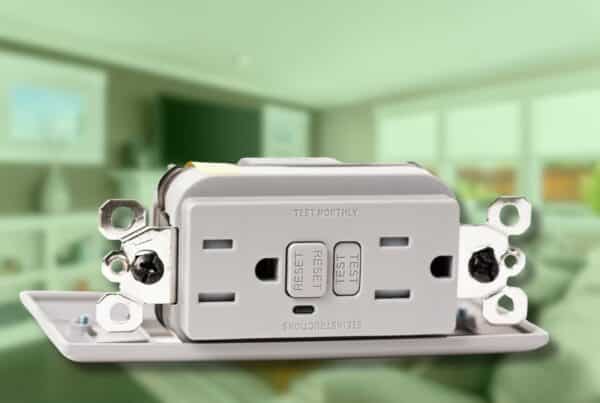
Have you ever wondered if your refrigerator really needs its own electrical circuit? It’s a question many homeowners overlook, but the answer can save you from costly repairs and unexpected power problems.
Your fridge is one of the most important appliances in your home, working nonstop to keep your food fresh and safe. Understanding whether it should have a dedicated circuit could protect your appliance, improve safety, and even lower your energy bills.
Keep reading to find out why this simple electrical choice matters for your home and how it can make a big difference in your daily life.
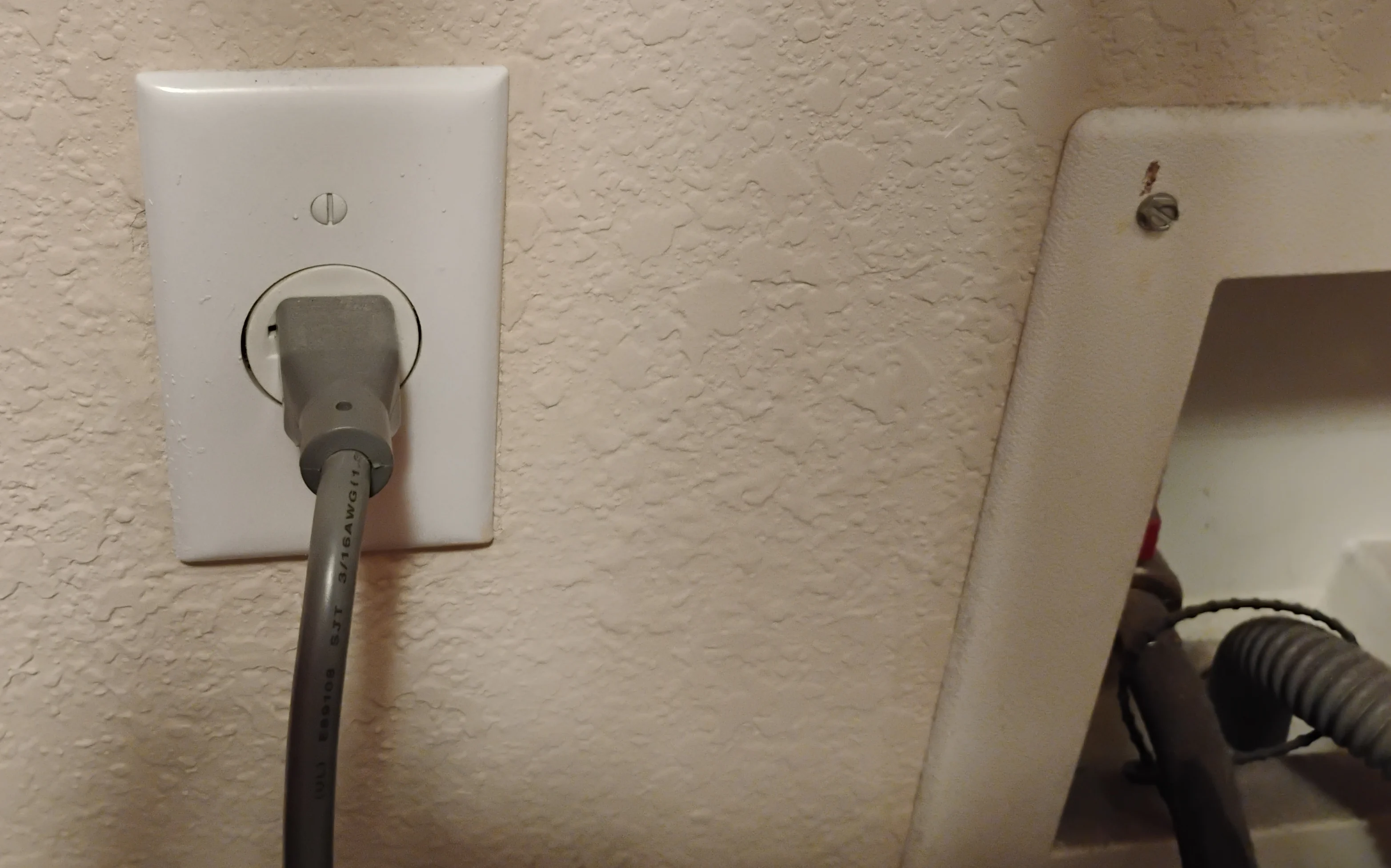
Credit: www.searshomeservices.com
Why Separate Circuits Matter
Separate circuits for your refrigerator play a key role in home electrical safety and appliance performance. They help manage power use efficiently and protect your kitchen’s electrical system. Understanding why a dedicated circuit matters can prevent problems and save money.
Preventing Overloads
Refrigerators draw a steady amount of electricity. Sharing a circuit with other devices can cause too much load. This overload can trip breakers or cause power outages. A separate circuit reduces the risk of overload. It keeps your kitchen running smoothly without interruptions.
Protecting Appliances
Power surges and drops can harm sensitive fridge components. When on a shared circuit, other appliances’ power use can cause fluctuations. A dedicated circuit stabilizes power supply. It helps extend the refrigerator’s lifespan and prevents costly repairs.
Ensuring Safety
Electrical fires often start from overloaded circuits. A single circuit for your fridge lowers this risk. It also ensures proper wiring and breaker sizing. This setup meets electrical codes and protects your home and family.
Electrical Requirements For Refrigerators
Understanding the electrical requirements for refrigerators is crucial to keep your appliance running smoothly and safely. Your refrigerator draws a significant amount of power, and ensuring it has the right electrical setup prevents frequent tripping of breakers or potential damage. Let’s dive into what you need to know about power consumption, circuit breakers, and wiring standards to make sure your fridge gets the electricity it needs.
Power Consumption Basics
Refrigerators typically consume between 100 to 800 watts, depending on size and efficiency. Older models tend to use more power, while newer Energy Star-rated fridges are more efficient.
When your fridge starts, it can briefly draw a surge of power up to three times its running wattage. This spike is important to consider when planning your electrical circuit.
Have you noticed your lights flicker when the fridge kicks on? That’s a sign the appliance needs a dedicated circuit to handle the power surge without affecting other devices.
Circuit Breaker Specifications
Most refrigerators require a 15-amp or 20-amp circuit breaker. The size depends on your fridge’s power needs, which you can find on the appliance label or manual.
Using the correct breaker size helps avoid nuisance trips and potential electrical hazards. For example, a 20-amp breaker is recommended for larger units or those with additional features like ice makers.
Think about your home’s existing electrical setup—does your kitchen have enough dedicated breakers to support your fridge? If not, adding one might save you future headaches.
Wiring Standards
Proper wiring is essential for safety and performance. A typical refrigerator circuit uses 12-gauge wire for 20-amp circuits and 14-gauge wire for 15-amp circuits.
All wiring should comply with the National Electrical Code (NEC) to ensure safety. This includes using grounded outlets and ensuring wires are securely connected.
Have you ever checked the wiring behind your fridge? Loose connections or improper wiring can cause power loss and pose fire risks. It’s worth having a professional inspect if you’re unsure.
Risks Of Sharing Circuits
Sharing circuits can cause power overloads and increase the risk of tripped breakers. A refrigerator needs a dedicated circuit to ensure steady power and avoid interruptions. This helps protect both the appliance and your home’s electrical system.
Sharing circuits with a refrigerator poses several risks. This practice can strain your home’s electrical system. It may lead to various safety and performance issues. Understanding these risks is crucial for maintaining a safe home environment.Overloading Household Wiring
Using a shared circuit can overload household wiring. Refrigerators draw significant power. Other appliances on the same circuit increase the load. This can stress the electrical system. Overloading can cause wires to overheat. This may lead to damage or failure.Tripping Breakers Frequently
A shared circuit may trip breakers often. Refrigerators and other appliances can exceed the circuit’s capacity. Frequent tripping interrupts appliance function. It also indicates an electrical issue. This can cause inconvenience and potential damage to appliances.Potential Fire Hazards
Sharing circuits increases fire risks. Overloaded circuits generate heat. Overheating can ignite nearby materials. Worn or damaged wires can spark fires. Ensuring proper circuit use reduces this hazard. Protect your home by preventing electrical fires.
Credit: www.searshomeservices.com
Benefits Of Dedicated Circuits
Having a dedicated circuit for your refrigerator brings several important advantages. It ensures the appliance runs smoothly and helps avoid electrical problems. These benefits improve performance and protect your home’s electrical system.
Stable Power Supply
A dedicated circuit provides a steady flow of electricity to the refrigerator. It prevents power drops caused by other appliances sharing the same line. This stable supply keeps the fridge running without interruptions.
Prolonged Appliance Lifespan
Constant voltage reduces wear and tear on the refrigerator’s motor and compressor. Avoiding electrical surges and overloads helps the appliance last longer. This protection lowers repair costs and replacement frequency.
Improved Energy Efficiency
A dedicated circuit allows the refrigerator to operate at optimal power levels. It reduces energy waste caused by power fluctuations. This efficiency can lead to lower electricity bills over time.
Installation Best Practices
Installing a refrigerator correctly is essential for safety and efficiency. Following best practices ensures the appliance runs smoothly without electrical issues. Proper installation helps avoid overloads and potential hazards. Below are key points to consider during the setup.
Choosing The Right Circuit Breaker
Select a circuit breaker that matches the refrigerator’s power needs. Most refrigerators require a 15 or 20-amp breaker. Using a breaker with too low or too high amperage can cause trips or damage. A dedicated breaker prevents interference from other appliances. This reduces the risk of electrical overload.
Proper Wiring Techniques
Use wires rated for the circuit breaker amperage. Copper wiring is preferred for better conductivity and durability. Ensure connections are tight and secure to avoid sparks or shorts. Keep wires away from sharp edges and heat sources. Label the circuit in the panel for easy identification.
Compliance With Electrical Codes
Follow local electrical codes and standards strictly. Codes protect your home and ensure safe installation. Obtain permits if required by law. Hiring a licensed electrician is highly recommended. They ensure the installation meets all safety regulations. Proper compliance reduces risks of fire and shocks.

Credit: www.searshomeservices.com
When To Consult A Professional
Knowing when to call a professional electrician about your refrigerator’s electrical setup is crucial. Handling electrical circuits without proper knowledge can lead to safety hazards or damage to your appliance. Recognizing the right moment to seek expert help saves you time, money, and potential frustration.
Signs You Need Expert Help
If your refrigerator frequently trips the circuit breaker, it might signal an overloaded or faulty circuit. Flickering lights or unusual buzzing sounds near the fridge’s power outlet also raise red flags. Another sign is if you notice warm spots around the plug or the outlet feels hot to touch.
Have you ever experienced your fridge shutting off unexpectedly during a hot day? That could mean the circuit isn’t handling the load properly. These issues are clear indicators that professional assessment is necessary to prevent bigger problems.
Hiring Licensed Electricians
Choosing a licensed electrician ensures the job meets safety standards and local building codes. Licensed professionals carry the experience to install or upgrade circuits specific to high-demand appliances like refrigerators.
Don’t hesitate to ask for proof of licensing and insurance before hiring. A skilled electrician can also advise if your home wiring supports a dedicated circuit or if additional upgrades are needed.
Cost Considerations
Installing a dedicated circuit for your refrigerator involves labor, materials, and sometimes permits. The cost varies depending on your home’s wiring complexity and local rates.
Think about the long-term benefits: a dedicated circuit reduces risks of electrical overload and protects your appliance from damage. Investing in professional installation now can save you from costly repairs or replacements later.
Additional Safety Tips
Ensuring your refrigerator runs safely goes beyond just having its own circuit. There are several practical steps you can take to protect your appliance and your home. Paying attention to these additional safety tips can save you from costly repairs and unexpected power issues.
Regular Maintenance Checks
Keeping your refrigerator in top shape means checking it regularly. Look for signs like unusual noises, frost buildup, or a warm back panel. These can indicate problems that might cause electrical issues or inefficiency.
Cleaning the coils and checking the door seals can improve performance and reduce strain on the motor. Have a professional inspect the wiring if you notice any flickering lights or frequent tripping of breakers.
Avoiding Extension Cords
Using extension cords with your refrigerator is tempting but risky. They can overheat and cause electrical fires because fridges draw a lot of power, especially when the compressor starts.
Instead, plug your refrigerator directly into a wall outlet that can handle its power needs. If your kitchen setup doesn’t allow this, consider having an electrician install a dedicated outlet near your fridge.
Using Surge Protectors
Power surges can damage your refrigerator’s electronic components. A surge protector adds an extra layer of defense by absorbing sudden voltage spikes.
Choose a surge protector rated for heavy appliances and check its status indicator regularly. It’s a small investment that protects your fridge from unexpected electrical storms or power fluctuations.
Frequently Asked Questions
Does A Refrigerator Need A Dedicated Circuit?
Yes, a refrigerator ideally requires its own dedicated circuit to avoid overloads. This ensures stable power supply and prevents frequent tripping of breakers, protecting the appliance and maintaining efficiency.
What Happens If Refrigerator Shares A Circuit?
Sharing a circuit can cause frequent breaker trips and power interruptions. It may also damage the refrigerator’s compressor due to inconsistent power supply, reducing its lifespan and performance.
How Many Amps Does A Refrigerator Circuit Need?
Most refrigerators need a circuit rated between 15 to 20 amps. Check your appliance’s manual for exact requirements to ensure proper and safe electrical installation.
Can A Refrigerator Run On A General Household Circuit?
It’s not recommended because other appliances can cause voltage fluctuations. A dedicated circuit provides consistent power, which is crucial for refrigerators to function efficiently and safely.
Conclusion
A refrigerator often needs its own circuit to work safely and well. This helps avoid overloads and keeps your food fresh. Sharing a circuit can cause power trips and damage appliances. A dedicated circuit protects your fridge and home wiring.
Always check your local rules and ask an expert if unsure. Keeping your fridge on its own circuit saves trouble later. Simple steps make your kitchen safer and more reliable. Think about it as a smart choice for your home’s electrical system.