Have you ever wondered if your refrigerator needs a special outlet? It’s a common question that many homeowners ask.
After all, your refrigerator is one of the most essential appliances in your home, keeping your food fresh and safe. You want to make sure it’s running efficiently without any hiccups. But does it require a unique power source? Understanding the electrical needs of your fridge can save you from unexpected problems and costly repairs.
Stick with us as we unravel this mystery, ensuring you have the peace of mind that your kitchen’s powerhouse is plugged in just right.
Credit: www.kitchenaid.com
Why Outlet Type Matters
Choosing the right outlet for your refrigerator is more important than many people realize. The outlet type directly affects how safely and efficiently your appliance runs. Ignoring this can lead to power issues or even damage over time.
Voltage And Amperage Needs
Your refrigerator needs a specific voltage and amperage to function correctly. Most household fridges operate on a standard 120-volt outlet, but larger or commercial models may require 240 volts. Using an outlet that doesn’t match these needs can cause the fridge to underperform or trip circuit breakers.
Think about your own experience: have you ever noticed your fridge humming louder or struggling to cool? This might be due to inadequate power supply. Always check the manufacturer’s specifications before plugging in your unit.
Grounding Importance
Grounding is crucial for safety when using electrical appliances, especially refrigerators. A properly grounded outlet prevents electrical shocks and protects your appliance from power surges. Without grounding, you risk both your safety and the longevity of your fridge.
Imagine touching your fridge during a power surge without proper grounding — it can be dangerous. Make sure your outlet has a three-prong grounding system to keep you and your appliance safe. If you’re unsure, consulting an electrician is a smart move.
Standard Outlets Vs Dedicated Circuits
Choosing between standard outlets and dedicated circuits for your refrigerator affects safety and performance. Many homes use standard outlets shared with other appliances. Dedicated circuits serve only one appliance, ensuring steady power. Understanding the difference helps protect your refrigerator and home.
Risks Of Shared Circuits
Standard outlets often connect multiple devices on the same circuit. This setup can cause power overloads. Overloaded circuits may trip breakers or damage appliances. Refrigerators need steady power to keep food safe. Power fluctuations can cause the compressor to fail. Shared circuits increase the chance of short circuits and fire hazards. Electrical noise from other devices can affect refrigerator operation.
Benefits Of Dedicated Outlets
Dedicated circuits provide a single power source for the refrigerator. This setup avoids overloads and power drops. The refrigerator runs more efficiently and lasts longer. Dedicated outlets reduce the risk of electrical fires. They also prevent nuisance breaker trips during power surges. This setup ensures consistent voltage, protecting sensitive components. Installing a dedicated circuit can save repair costs over time.
Choosing The Right Outlet
Choosing the right outlet for your refrigerator is vital for safety and performance. A proper outlet ensures your fridge runs smoothly without electrical issues. It also protects your home and appliance from power surges and short circuits.
Knowing the difference between outlet types and the best placement can prevent problems. It helps maintain the fridge’s efficiency and extends its lifespan. Let’s explore the key factors in selecting the right outlet for your refrigerator.
Gfci Vs Non-gfci Outlets
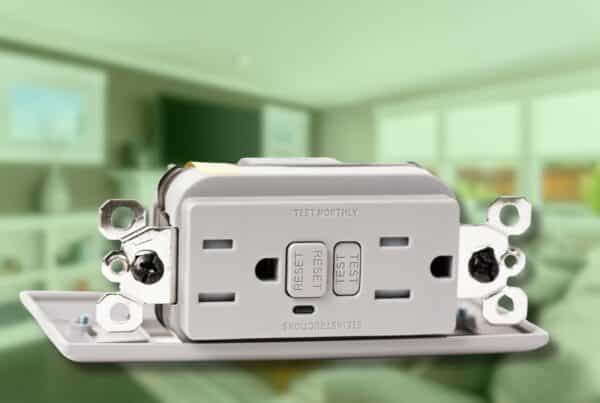
A GFCI outlet protects against electrical shock. It senses current leaks and quickly cuts power. Bathrooms and kitchens often require GFCI outlets for safety.
Refrigerators usually work better with non-GFCI outlets. GFCI outlets can trip often due to the fridge’s compressor cycle. Frequent tripping causes inconvenience and potential food spoilage.
Check local electrical codes before installation. Some areas may require GFCI outlets for kitchen appliances. Using a non-GFCI outlet often provides steady power without interruptions.
Outlet Placement Tips
- Place the outlet near the refrigerator’s power cord.
- Ensure the outlet is easily accessible for unplugging.
- Avoid placing outlets behind the fridge to prevent damage to the cord.
- Keep outlets off the floor to avoid water contact.
- Use a dedicated outlet to prevent overloading circuits.
- Position outlets away from heat sources to protect the plug and cord.

Credit: www.jackery.com
Safety Codes And Regulations
Understanding safety codes and regulations is vital when installing a refrigerator outlet. These rules ensure the appliance runs safely without electrical hazards. Following them prevents risks like shocks, fires, or power failures. Compliance protects your home and keeps the fridge working efficiently.
National Electrical Code Basics
The National Electrical Code (NEC) sets standards for electrical installations. It requires refrigerators to have a dedicated outlet. This outlet must be grounded to avoid shocks. The circuit should handle the fridge’s power needs without overload. Using a GFCI (Ground Fault Circuit Interrupter) outlet is often recommended near water sources. Proper wiring and outlet placement are also part of NEC rules.
Local Building Requirements
Local codes may add specific rules beyond the NEC. These rules vary by city or state. Some areas demand special permits for electrical work. Inspections ensure compliance with all safety standards. Hiring a licensed electrician helps meet local laws. Always check local requirements before installing or upgrading an outlet.
Installation Best Practices
Installing a refrigerator outlet correctly ensures safety and appliance performance. Proper setup prevents electrical issues and keeps your kitchen running smoothly.
Following installation best practices protects your home and extends your refrigerator’s life. It involves choosing the right outlet type and placement.
Professional Vs Diy Installation
Professional installation guarantees code compliance and safe wiring. Experts understand specific power needs and use the correct materials.
DIY installation might save money but carries risks. Incorrect wiring or outlet choice can cause short circuits or damage.
Professionals inspect your electrical system to avoid overloads. They ensure the outlet has a dedicated circuit for your fridge.
DIY installers should know electrical basics and local codes. Without this knowledge, mistakes are common and costly.
Common Mistakes To Avoid
- Using a shared outlet with other appliances causes power drops.
- Installing an outlet without a ground increases shock risk.
- Placing the outlet behind the refrigerator can limit ventilation space.
- Ignoring local electrical codes leads to unsafe setups.
- Using the wrong outlet type, like a two-prong instead of three-prong.
- Failing to check the circuit breaker rating may overload the circuit.
Troubleshooting Outlet Issues
When your refrigerator isn’t working properly, the issue might be with the outlet it’s plugged into. Troubleshooting outlet problems can save you time and money. It’s important to know what signs to watch for and when to bring in a professional.
Signs Of Electrical Problems
Watch out for outlets that feel warm or hot to the touch. This can indicate an overload or faulty wiring, which is dangerous for any appliance.
If your refrigerator repeatedly trips the circuit breaker, the outlet or circuit may be the cause. Flickering lights or a buzzing sound near the outlet are also red flags.
Another sign is if the refrigerator runs inconsistently or shuts off unexpectedly. This can happen when the outlet doesn’t supply stable power.
When To Call An Electrician
If you notice any sparks or burning smells near the outlet, stop using it immediately and call an electrician. These are signs of serious electrical hazards.
Also, if you’re unsure about the outlet’s wiring or if it’s an older outlet that may not support your refrigerator’s power needs, get a professional to check it.
Trying to fix complex electrical issues without experience can be risky. An electrician can ensure your outlet is safe and properly grounded, giving your fridge the power it needs to run efficiently.
Credit: www.diychatroom.com
Frequently Asked Questions
Does A Refrigerator Require A Dedicated Outlet?
Yes, a refrigerator should have a dedicated outlet to prevent overload and ensure stable power supply. This helps avoid tripped breakers and potential damage.
Can I Use A Regular Outlet For My Refrigerator?
A regular outlet can work if it’s properly grounded and meets the amperage requirements. However, a dedicated circuit is recommended for safety and efficiency.
Why Is A Grounded Outlet Important For Refrigerators?
A grounded outlet protects the refrigerator from electrical surges and reduces the risk of shock. It ensures safe operation and prolongs appliance life.
What Outlet Voltage Is Needed For A Refrigerator?
Most refrigerators require a standard 120-volt outlet in the U. S. Ensure the outlet matches the appliance’s voltage rating to avoid damage.
Conclusion
Refrigerators need a dedicated outlet to work safely and well. Using the right outlet helps prevent power problems and keeps your fridge running. Avoid sharing the outlet with heavy appliances to stop overloads. Check that the outlet matches your refrigerator’s plug type and power needs.
Taking these steps protects your food and saves energy. A simple setup keeps your kitchen safe and your fridge efficient. Remember, the right outlet matters for your refrigerator’s performance and safety.