
Have you ever wondered if running your car’s air conditioner makes your gas tank empty faster? When the temperature rises, turning on the AC feels like the only way to stay comfortable on the road.
But you might worry—does this comfort come at the cost of your fuel efficiency? Understanding how your car’s air conditioner affects gas usage can help you make smarter choices and save money. Keep reading to discover the surprising truth about your AC and fuel consumption.

Credit: carfromjapan.com
How Car Ac Affects Fuel Consumption
Car air conditioners use power from the engine to work. This power comes from burning fuel. When the AC is on, the engine works harder. This makes the car use more gas. The extra fuel helps the AC compressor run. The compressor cools the air inside the car.
The amount of extra gas depends on the car and AC settings. Using AC at high speed uses more fuelthan low speed. The engine load increases with AC use. This means the engine must burn more fuel to keep the car moving.
| Fuel Consumers | Impact on Fuel Use |
|---|---|
| Air Conditioner | Increases fuel use by 5-10% |
| Heater | Very low fuel impact |
| Radio and Lights | Minimal fuel impact |
Factors Influencing Gas Usage With Ac
Running the air conditioner in a car can increase gas usage. Factors like outside temperature, car size, and engine type affect fuel consumption. Using AC on high settings or in stop-and-go traffic uses more gas than driving with windows down at low speeds.
Car Type And Engine Size
Larger enginestend to use more gas with AC on. Smaller cars with fuel-efficient enginesshow less increase. Electric or hybrid cars use AC without affecting gas much.
Driving Conditions And Speed
Driving at high speedsincreases gas use with AC. Stop-and-go traffic also raises fuel consumption. On highways, AC may use less gas than open windows.
Outside Temperature And Ac Settings
Hotter weather means the AC works harder and uses more gas. Setting the AC to a moderate temperaturesaves fuel. Using the recirculate mode helps cool faster and saves energy.
Ac Vs. Open Windows: Fuel Efficiency Debate
Running the car’s air conditioneruses extra fuel, but so does driving with open windows. Open windows increase air drag, which makes the engine work harder. This effect grows stronger at higher speeds.
| Speed (mph) | Fuel Use with AC | Fuel Use with Open Windows |
|---|---|---|
| Below 40 | Uses slightly more fuel | Uses less fuel |
| Above 40 | Uses less fuel than open windows | Increases fuel use due to drag |
Comfort matters too. AC keeps the cabin cool and dry. Open windows can bring noise and dust inside. Safety also counts. Clear windows help visibility and reduce distractions.
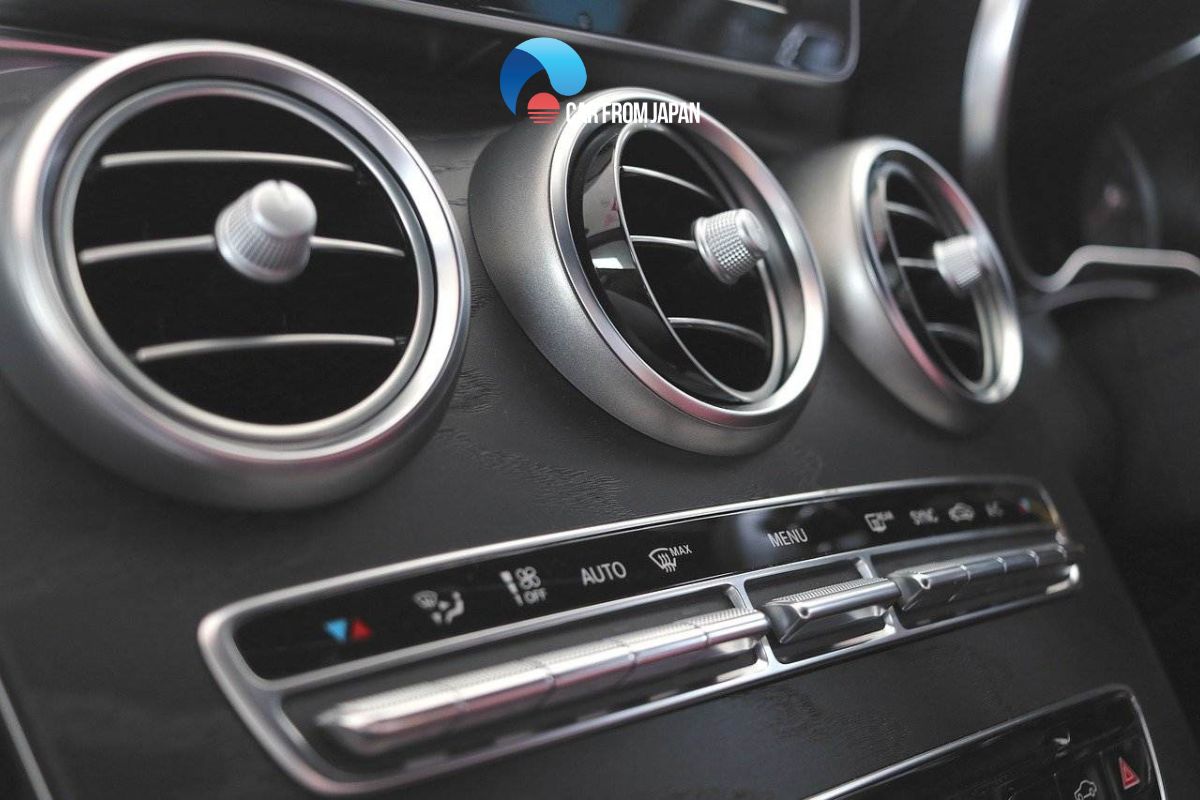
Credit: carfromjapan.com
Tips To Reduce Gas Consumption While Using Ac
Setting the AC temperatureat around 75°F (24°C)saves gas. Avoid very cold settings; they use more fuel. Adjust temperature gradually to stay comfortable and efficient.
Keep the AC system well-maintained. Check and replace air filters often. Clean the AC condenser to improve cooling. Proper maintenance helps the AC run smoothly and uses less gas.
- Use window shadesto block sunlight and reduce heat.
- Park in the shade to keep the car cool.
- Open windows for fresh air at low speeds instead of AC.
- Use the car’s ventilation systemto circulate air before turning on AC.
Myths And Facts About Car Ac And Gas Mileage
Running the car air conditioner can use extra gas, but the impact is usually small. Driving with windows down may also affect fuel use at high speeds. Understanding these facts helps manage gas mileage better.
Common Misconceptions
Many people think running the car AC uses a lot of gas. The truth is, it depends on speed and engine size. At low speeds, AC may use more fuel than rolling windows. At higher speeds, AC usually uses less gas than open windows because of less air drag. Turning on AC does add some load to the engine, but modern cars manage this efficiently. So, the idea that AC always wastes gas is not fully true.
Scientific Studies And Data
| Speed | Effect on Gas Mileage |
|---|---|
| Below 40 mph | Using AC may reduce fuel efficiency by 5-10% |
| Above 40 mph | Rolling windows increase drag, raising fuel use |
| Overall | AC use affects gas mileage less than once thought |
Practical Takeaways For Drivers
- Use AC on highways to save fuel compared to open windows.
- At city speeds, consider using fan or opening windows.
- Keep your car well maintained for better AC efficiency.
- Avoid setting AC to very low temperature; moderate settings use less gas.

Credit: www.fisheracura.com
Frequently Asked Questions
Does Running Ac Increase Car Fuel Consumption?
Yes, running the car’s air conditioner uses extra fuel. The AC compressor requires engine power, which increases fuel consumption slightly, especially at low speeds or idle.
How Much Gas Does Car Ac Typically Use?
Car AC can increase fuel use by about 5-10%. The exact amount depends on car model, driving conditions, and outside temperature.
Is It Better To Open Windows Or Use Ac?
At low speeds, opening windows saves fuel compared to AC. At high speeds, using AC is more fuel-efficient than open windows due to aerodynamic drag.
Can Using Ac Cause More Engine Wear?
Using AC adds slight engine load but does not cause significant wear. Regular maintenance keeps the AC system and engine running efficiently.
Conclusion
Running the car’s air conditioner does use more gas. It puts extra load on the engine. This increased load means more fuel consumption. On hot days, comfort might outweigh fuel costs. Consider opening windows at low speeds. This can save gas.
Remember, every bit of savings adds up. It’s about balancing comfort and efficiency. Plan your trips wisely. Use the AC only when necessary. Stay cool but be mindful of fuel usage. Small changes can lead to savings. Keep your car well-maintained for optimal performance.
Make smart choices for your wallet and environment.