
Are you wondering if running your air conditioner can actually lower the humidity in your home? It’s a common question, especially when the summer heat feels overwhelming.
You want your space to feel cool and comfortable, but sticky air can make that hard. Understanding how your AC affects moisture in the air can help you make smarter choices for your comfort. Keep reading to discover the surprising truth about air conditioners and humidity—and learn how you can create the perfect indoor environment all year round.
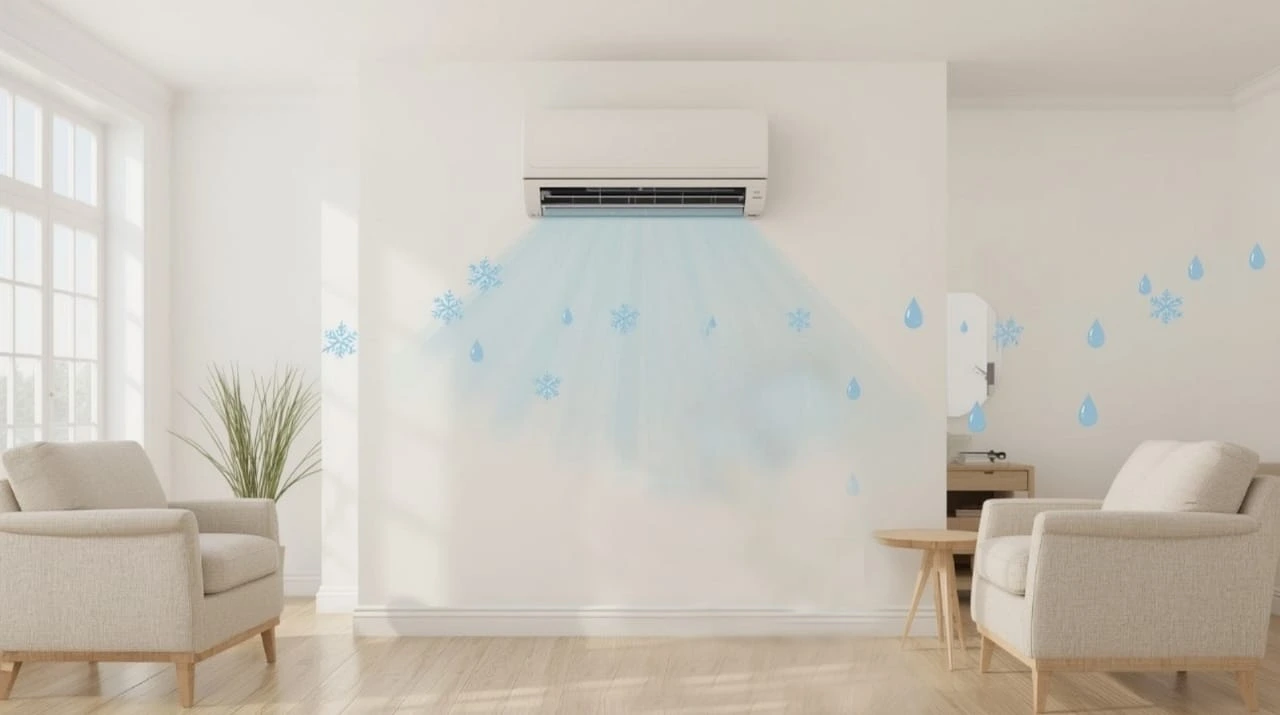
Credit: hvac-temecula-murrieta.com
How Air Conditioners Affect Humidity
Air conditioners do more than cool the air. They also help reduce humidity inside rooms.
Lowering humidity makes the air feel cooler and more comfortable.
Cooling Process And Moisture Removal
Air conditioners cool air by passing it over cold coils. This makes the air temperature drop.
As air cools, water vapor changes into liquid. This removes moisture from the air.
- Warm air enters the AC unit
- It passes over cold evaporator coils
- Moisture in the air condenses on the coils
- Condensed water drains out of the unit
- Drier, cooler air blows back into the room
Types Of Air Conditioners And Humidity Control
Different air conditioners control humidity in different ways. Some remove more moisture than others.
Here are common types and how they affect humidity:
| Type | Humidity Control |
|---|---|
| Window Units | Remove moisture as air cools, moderate effect |
| Central Air Systems | Good moisture removal, controls humidity well |
| Portable ACs | Remove some moisture but less efficient |
| Ductless Mini Splits | Effective at drying air and cooling |

Credit: www.georgiaairrepair.com
Factors Influencing Humidity Reduction
Running an air conditioner can help lower humidity levels inside a room. The amount of moisture removed depends on several factors. Understanding these factors helps in managing indoor comfort better.
This guide explains how room size, outdoor humidity, and thermostat settings affect humidity reduction.
Room Size And Air Conditioner Capacity
The size of your room affects how well the air conditioner can reduce humidity. Bigger rooms need air conditioners with higher capacity to remove moisture effectively.
If the air conditioner is too small for the room, it will run longer but remove less humidity. A properly sized unit cools and dehumidifies the space efficiently.
- Small room + small AC = good humidity control
- Large room + small AC = poor humidity control
- Large room + large AC = better humidity control
Outdoor Humidity Levels
Outdoor humidity impacts how much moisture enters your room. High outdoor humidity means more moisture comes inside when doors or windows open.
Air conditioners work harder to reduce humidity if outdoor air is very moist. Lower outdoor humidity makes it easier for the AC to keep indoor air dry.
- High outdoor humidity = more indoor moisture
- Low outdoor humidity = less indoor moisture
- Frequent air exchange with outside affects humidity levels
Thermostat Settings Impact
Thermostat settings influence how long the air conditioner runs. Lower temperature settings make the AC run longer and remove more moisture.
Setting the thermostat too high may reduce cooling but also lower humidity removal. Choosing the right temperature balances comfort and moisture control.
- Lower thermostat = longer run time, more dehumidification
- Higher thermostat = shorter run time, less moisture removal
- Consistent settings help maintain steady humidity levels
Common Misconceptions About Ac And Humidity
Many people think running an air conditioner always lowers the humidity in a room. This is not always true. Understanding how AC units work helps clear up these misunderstandings.
Some rooms still feel damp even with the AC on. This can confuse many homeowners who expect their air conditioner to solve all humidity problems.
Does Cooling Always Mean Dehumidifying?
Cooling air does not always mean removing moisture. Air conditioners cool by pulling heat from the air. This process can also remove some moisture but depends on how the AC works.
If the AC runs long enough and is set at a lower temperature, it can reduce humidity. But if it cycles on and off quickly, it may not remove much moisture.
- AC cools air by passing it over cold coils
- Moisture condenses on coils and drains away
- Short cooling cycles reduce moisture removal
- High humidity may need a separate dehumidifier
Why Some Rooms Feel Damp Despite Ac Use
Some rooms still feel damp because the AC does not remove enough moisture. This can happen if the room has poor ventilation or if there is a lot of moisture entering.
Other reasons include AC units that are too large or too small for the room. These units may not run long enough to reduce humidity properly.
- High moisture from cooking, showers, or plants
- Poor air circulation traps humidity inside
- Incorrect AC size causes short cooling cycles
- Leaks or gaps let humid air enter the room

Credit: www.yahoo.com
Optimizing Air Conditioner For Better Humidity Control
Running an air conditioner can help lower humidity in your home. But to get the best results, you need to optimize how your AC works. Small changes can make a big difference in controlling moisture.
This guide covers ways to improve your AC’s ability to reduce humidity. You will learn about maintenance, using extra devices, and adjusting settings for comfort and dryness.
Regular Maintenance And Filter Cleaning
Clean filters and regular care keep your air conditioner working well. Dirt and dust block airflow, reducing the unit’s ability to remove moisture. Check and clean filters every month during heavy use.
- Turn off the AC before cleaning filters
- Use a vacuum or wash filters with water
- Let filters dry completely before reinstalling
- Schedule yearly professional maintenance
Using Ac In Combination With Dehumidifiers
An air conditioner cools the air and removes some moisture. A dehumidifier removes moisture without cooling. Using both can improve comfort, especially in very humid places.
| Device | Function | Best Use |
| Air Conditioner | Cools and removes some humidity | Warm, humid days |
| Dehumidifier | Removes moisture only | High humidity without need for cooling |
| Both Together | Better humidity control and cooling | Very humid climates or rooms |
Adjusting Fan Speeds And Temperature Settings
Fan speed and temperature affect how much moisture your AC removes. Slower fan speeds let the air cool more, which helps remove humidity. Setting the temperature a bit lower can also increase moisture removal.
- Use medium or low fan speed settings.
- Set temperature to a comfortable but slightly cooler level.
- Avoid setting temperature too low to save energy.
- Try different settings to find the best balance.
Alternatives To Lower Indoor Humidity
Running an air conditioner can help reduce humidity a little. It cools the air and removes some moisture. Still, it may not be enough for very humid rooms.
There are other ways to lower indoor humidity. These methods work well to keep your home dry and comfortable.
Portable Dehumidifiers
Portable dehumidifiers remove moisture directly from the air. They are easy to move and use in different rooms.
You just plug them in and set the humidity level. The dehumidifier collects water in a tank that you empty.
- Good for basements and bathrooms
- Helps prevent mold and mildew
- Works well in small to medium rooms
Ventilation And Air Circulation
Ventilation brings fresh air inside and pushes moist air outside. It lowers indoor humidity naturally.
Use fans and open windows to improve air flow. Kitchen and bathroom vents also help remove moisture.
- Run exhaust fans during cooking or showering
- Open windows on dry, breezy days
- Use ceiling fans to move air around
Natural Methods To Reduce Moisture
Some natural ways can help lower humidity without machines. These methods are simple and cost nothing.
Houseplants like English ivy and peace lilies absorb moisture. Charcoal and baking soda can also soak up dampness.
- Keep plants that reduce humidity indoors
- Place bowls of baking soda in damp areas
- Use activated charcoal in closets and cabinets
Frequently Asked Questions
Does Ac Reduce Humidity In A Room?
Yes, an air conditioner reduces humidity by cooling the air. It extracts moisture, making the indoor environment more comfortable. This process helps prevent mold growth and improves air quality.
How Does An Air Conditioner Lower Humidity?
An air conditioner lowers humidity by removing moisture from the air. It uses a refrigerant to cool and dehumidify the air. The moisture is condensed into water and drained away.
Can Running Ac All Day Decrease Humidity?
Running an AC all day can significantly decrease humidity levels. Consistent operation ensures continuous moisture removal. However, excessive use can lead to higher energy bills.
Is It Necessary To Use A Dehumidifier With Ac?
Using a dehumidifier with an AC can enhance humidity control. It’s useful in high-humidity areas. While ACs reduce humidity, a dehumidifier can provide additional moisture control.
Conclusion
Running an air conditioner helps reduce indoor humidity levels. It cools the air and removes moisture effectively. This makes your home more comfortable, especially in hot weather. Remember, air conditioners are not the only way to control humidity. Using a dehumidifier or proper ventilation also helps.
Keep your AC clean for better performance and humidity control. A cooler, less humid room feels better and can protect your home from mold. Simple steps make a big difference in managing indoor humidity.