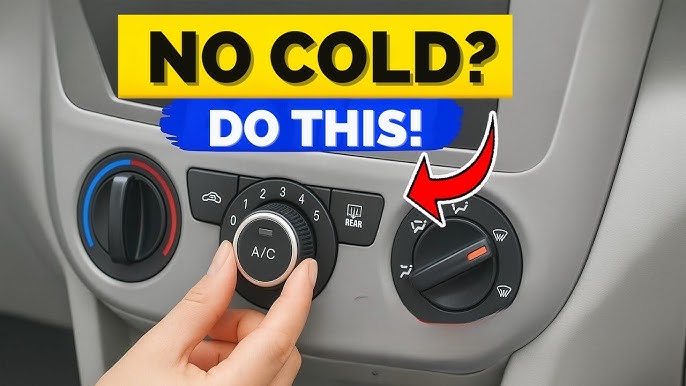
Have you ever wondered if running your car’s air conditioner uses more gas? You’re not alone.
Many drivers worry that turning on the A/C might drain fuel faster and cost more at the pump. Understanding how your air conditioner affects gas mileage can help you make smarter choices and save money. Keep reading to find out the truth behind this common question and learn simple tips to stay cool without burning extra gas.

Credit: www.aljazeera.com
How Air Conditioning Affects Fuel Use
Running the air conditioner in a car uses extra energy. This energy comes from the engine. It can cause the car to burn more fuel than usual.
Understanding how air conditioning changes fuel use helps drivers save gas. It also explains why some trips use more fuel than others.
Impact On Engine Load
The air conditioner adds extra load to the engine. This makes the engine work harder. The harder the engine works, the more fuel it uses.
- The compressor needs power from the engine.
- More engine power means higher fuel consumption.
- At low speeds, the effect is more noticeable.
- At highway speeds, the impact is smaller but still present.
Fuel Consumption Patterns
Fuel use changes depending on how often and how hard the air conditioner runs. Different situations show different fuel patterns.
| Driving Condition | Effect on Fuel Use |
| City driving | Fuel use increases by 10-20% |
| Highway driving | Fuel use increases by 5-10% |
| Stop-and-go traffic | Fuel use increases more due to engine load |
| Idle with A/C on | Fuel use increases without moving the car |
Comparing Ac Use To Other Fuel Factors
Running the air conditioner in a car can affect fuel use. It is one of many factors that impact gas consumption. Drivers often wonder if using the AC burns more gas than other habits.
This article looks at how AC use compares to other fuel factors like driving speed and vehicle maintenance. Understanding these can help save fuel and reduce costs.
Effect Of Driving Speed
Driving speed plays a big role in fuel consumption. Faster speeds usually mean more gas burned. The air conditioner also uses extra energy, but how does it compare?
- At low speeds, using the AC may use more fuel than driving fast.
- At high speeds, wind resistance causes the car to burn more gas.
- Turning off the AC and opening windows at high speeds can increase drag.
- Keeping a steady, moderate speed saves more fuel than just turning off the AC.
Role Of Vehicle Maintenance
Proper vehicle care affects fuel use more than AC use. A well-maintained car runs efficiently and burns less gas. Poor maintenance can waste fuel even without the AC on.
| Maintenance Aspect | Fuel Impact |
|---|---|
| Engine Tune-Up | Improves fuel efficiency by up to 4% |
| Proper Tire Pressure | Can save 3% on fuel |
| Clean Air Filters | Better air flow reduces gas use |
| Using Recommended Oil | Helps engine run smoothly |
When Ac Use Increases Gas Mileage
Using the air conditioner in your car can affect how much gas you use. The AC needs power from the engine, which can lower your fuel efficiency. This means your car might use more gas when the AC is on.
How much gas the AC uses depends on different things. Driving conditions and the type of car can change the effect on gas mileage. Let’s look at how city and highway driving compare and how modern cars manage AC use.
City Driving Versus Highway
City driving often uses more gas with the AC on than highway driving. In stop-and-go traffic, the engine works harder and uses more fuel. The AC adds extra load, which can reduce gas mileage more in the city.
On the highway, the engine runs at a steady speed. This steady power helps the AC use less extra fuel. You might notice less impact on gas mileage with the AC on during highway driving.
- City driving: more gas used with AC on due to frequent stops
- Highway driving: less gas impact because engine runs steady
- Short trips in the city can lower fuel economy more with AC
Modern Vehicle Technologies
New cars use better technology to reduce how much gas the AC uses. Some have electric compressors that do not rely on the engine. This helps save fuel when the AC is running.
Other features include better insulation and smart climate control. These technologies keep the car cool without using too much power. They help improve gas mileage even with the AC on.
- Electric AC compressors reduce engine load
- Improved cabin insulation keeps temperature steady
- Automatic climate control uses AC efficiently
Tips To Reduce Fuel Use With Ac
Running an air conditioner in a car can increase fuel consumption. The AC makes the engine work harder. You can save fuel by using the AC smartly.
Here are simple tips to reduce fuel use while keeping cool in your vehicle. Adjusting settings and trying other ways to stay comfortable helps.
Optimal Temperature Settings
Setting the AC temperature correctly lowers fuel use. Very cold air makes the engine use more gas.
- Set the AC between 72°F and 78°F for comfort and fuel saving.
- Avoid the lowest temperature settings.
- Turn off the AC a few minutes before stopping the car.
- Use the recirculate option to cool air inside the car efficiently.
Alternative Cooling Methods
Using other ways to cool your car lowers AC use and saves fuel. Some methods need no power at all.
| Method | Description | Fuel Impact |
| Park in Shade | Keeps car cooler before driving | Reduces AC need |
| Use Window Shades | Blocks sunlight inside car | Less AC use |
| Open Windows at Low Speeds | Lets air flow without AC | Saves fuel |
| Wear Light Clothing | Keeps you cooler naturally | Less reliance on AC |
Common Myths About Ac And Gas
Many people worry that using the air conditioner in their car will burn more gas. This idea has been passed down as a fact, but it is not always true. Understanding the real effects of running the AC can help you save fuel and stay comfortable.
This article looks at two common myths: idling with the AC on and whether it is better to drive with windows down or the AC on.
Idling With Ac On
Many drivers think that leaving the car on with the AC running burns too much gas. While it does use fuel, the amount is often less than restarting the engine multiple times. The AC compressor runs off the engine, so it uses some fuel to keep cool air flowing.
- Idling with AC on uses fuel but not as much as some think.
- Turning the engine off and on frequently can waste more gas.
- Modern cars have better systems to reduce fuel use when idling.
Windows Down Versus Ac
There is a debate about which uses more fuel: driving with windows down or running the AC. The answer depends on driving speed. At low speeds, open windows cause less drag, so you save gas. At higher speeds, open windows increase wind resistance, which can use more fuel than the AC.
| Condition | Fuel Use | Reason |
| Low speeds, windows down | Lower | Less engine load, no AC compressor use |
| High speeds, windows down | Higher | More drag increases fuel consumption |
| Any speed, AC on | Moderate | Engine works harder to run AC compressor |
Credit: www.familyhandyman.com

Credit: www.aljazeera.com
Frequently Asked Questions
Does Running Ac Increase Gas Consumption In Cars?
Yes, running the AC in cars uses the engine’s power, which can increase gas consumption by 5-20%. The extra load makes the engine work harder, thus burning more fuel.
How Much Extra Gas Does Car Ac Use?
Car AC systems typically increase fuel consumption by about 0. 2 to 1. 0 miles per gallon. This varies depending on the vehicle and outside temperature.
Is It Better To Open Windows Or Use Ac?
At low speeds, opening windows uses less gas than AC. But at high speeds, AC is more fuel-efficient due to reduced drag.
Can Using Ac Damage My Car’s Engine?
No, using AC won’t damage the engine if maintained well. Proper servicing ensures the AC system runs efficiently without harming the engine.
Conclusion
Running the air conditioner does use more gas. It’s a fact. Especially when driving at lower speeds. But, comfort matters too. Sweating in a hot car isn’t fun. Balance is key. Consider your priorities. Fuel efficiency or cool comfort? Choose based on your needs.
For short trips, maybe roll down the windows. On highways, the AC might be better. Enjoy your drive. Stay cool. Save fuel when you can. Every bit helps.