
Are you wondering if running your car’s air conditioner is making you spend more at the gas pump? You’re not alone.
Many drivers ask the same question: does using the A/C really burn more gas? The answer might surprise you—and it could help you save money on fuel. Keep reading to find out how your air conditioner affects your gas mileage and what simple steps you can take to keep cool without emptying your wallet.

Credit: www.aljazeera.com
How Air Conditioners Affect Fuel Consumption
The air conditioner (AC) uses the engine to work. The AC compressor pulls power from the engine belt. This causes the engine to work harder and burn more fuel. The extra fuel burn depends on the AC system and car size.
When the AC runs, the engine load rises. This means the engine needs more fuel to keep the car moving. The increase in fuel use is usually small but can be higher in hot weather or stop-and-go traffic.
| Fuel Consumer | Fuel Impact | Notes |
|---|---|---|
| Air Conditioner | Increases fuel use by 5-20% | Depends on engine size and AC usage |
| Heater | Almost no extra fuel | Uses engine heat, no extra load |
| Radio/Entertainment | Minimal fuel impact | Uses battery power |
| Open Windows | Can increase fuel use | Causes drag and lowers efficiency |

Credit: www.aljazeera.com
Factors Influencing Gas Mileage With Ac On
Vehicle typeand engine sizeplay a big role in gas use with AC. Smaller engines use less gas, but the AC can still lower mileage. Larger engines handle AC better but still burn more fuel.
Outside temperatureaffects how hard the AC works. Hotter days make the AC run longer, which uses more gas. Lower AC settings save fuel, while max cool uses the most.
Driving conditionsand speedmatter a lot. City driving with many stops uses more gas with AC on. Highway driving at steady speeds uses less extra gas. Faster speeds increase fuel use more with AC running.
Ac Vs. Rolling Down Windows
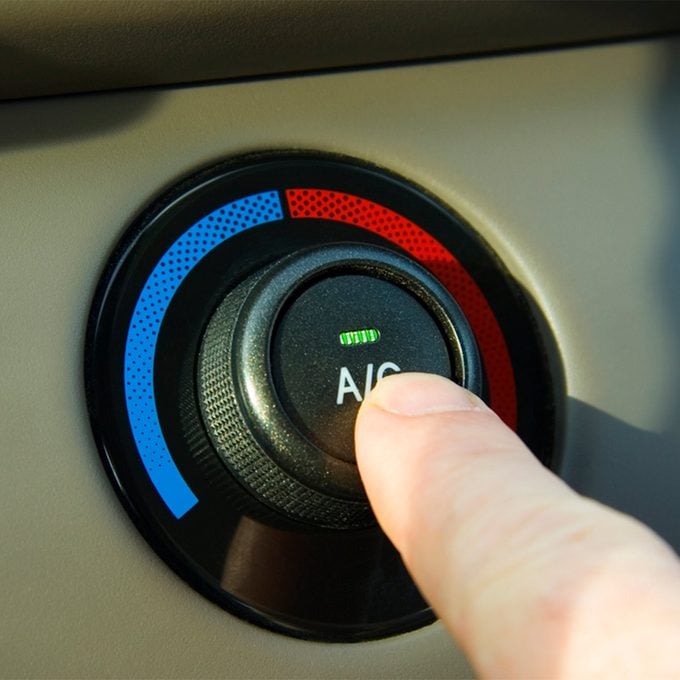
Running the air conditioner uses more gasat low speeds. Opening windows may save fuel then. At high speeds, open windows cause air drag, which lowers fuel efficiency.
| Speed | Using AC | Windows Down |
|---|---|---|
| Low (below 40 mph) | Uses more gas | More fuel efficient |
| High (above 40 mph) | More fuel efficient | Uses more gas due to drag |
Comfort differs between the two options. AC gives cool air with less noise. Windows down can be noisy and dusty. Choose based on your comfortand fuel savings.
Credit: www.familyhandyman.com
Tips To Reduce Fuel Use While Using Ac
Setting the air conditioner to around 72-75°F (22-24°C)saves fuel. Lower temperatures make the engine work harder. This uses more gas and wastes energy.
Keep your vehicle in good shape. Regular oil changes, clean air filters, and checking tire pressure help. A well-maintained car uses fuel more efficiently.
- Turn off the AC when stopped for long periods.
- Use the AC more at highway speeds than in slow traffic.
- Open windows briefly to cool the car before turning on the AC.
Common Myths About Ac And Gas Consumption
AC does not always drain excessive gas.The air conditioner uses fuel only when the engine runs. It consumes some extra gas, but modern cars are designed to keep this minimal. The gas used depends on the car’s engine size and AC settings.
Turning off the AC and rolling down windows may seem like a good idea. Yet, driving with windows open creates air drag. This drag forces the engine to work harder and may use more gas at high speeds.
At low speeds, open windows might save gas. At highway speeds, using AC is often more fuel-efficientthan rolling down windows.
Frequently Asked Questions
Does Using Ac Increase Fuel Consumption?
Yes, running the air conditioner increases fuel consumption. The AC compressor draws power from the engine, requiring more fuel. This can lead to a noticeable decrease in fuel efficiency, particularly in smaller vehicles or during long drives.
How Much Gas Does Ac Use In A Car?
The air conditioner can reduce fuel efficiency by 5% to 25%. This depends on factors like vehicle size, outside temperature, and driving conditions. Using the AC at lower speeds typically consumes more fuel compared to highway speeds.
Is It Better To Open Windows Than Use Ac?
Opening windows can be more fuel-efficient at low speeds. However, at high speeds, open windows create drag, reducing fuel efficiency. In such cases, using the AC is more efficient. It’s a balance between speed, comfort, and fuel consumption.
Does Ac Affect Car Engine Performance?
Running the AC can impact engine performance slightly. The AC compressor takes power from the engine, which can lead to reduced acceleration. However, most modern vehicles are designed to minimize this effect, ensuring a smooth driving experience.
Conclusion
Running the air conditioner in your car does use extra gas. The engine works harder to power the AC system. This means your fuel consumption will rise a bit. Still, the increase is usually small and depends on conditions. Driving with windows down also affects gas use differently.
Balancing comfort and fuel efficiency is key. Keep your AC maintained for best performance. This helps save gas and keeps you cool. Understanding these facts helps you make smart driving choices.