Are you worried that running your air conditioner might be driving up your gas bill? It’s a question many homeowners ask, especially during hot months when cooling your home feels like a must.
Understanding how your air conditioner affects your gas usage can help you save money and avoid surprises on your energy bill. You’ll discover the truth behind running your air conditioner and its impact on your gas consumption. Keep reading to learn simple facts that can help you stay cool without breaking the bank.
How Air Conditioners Consume Energy
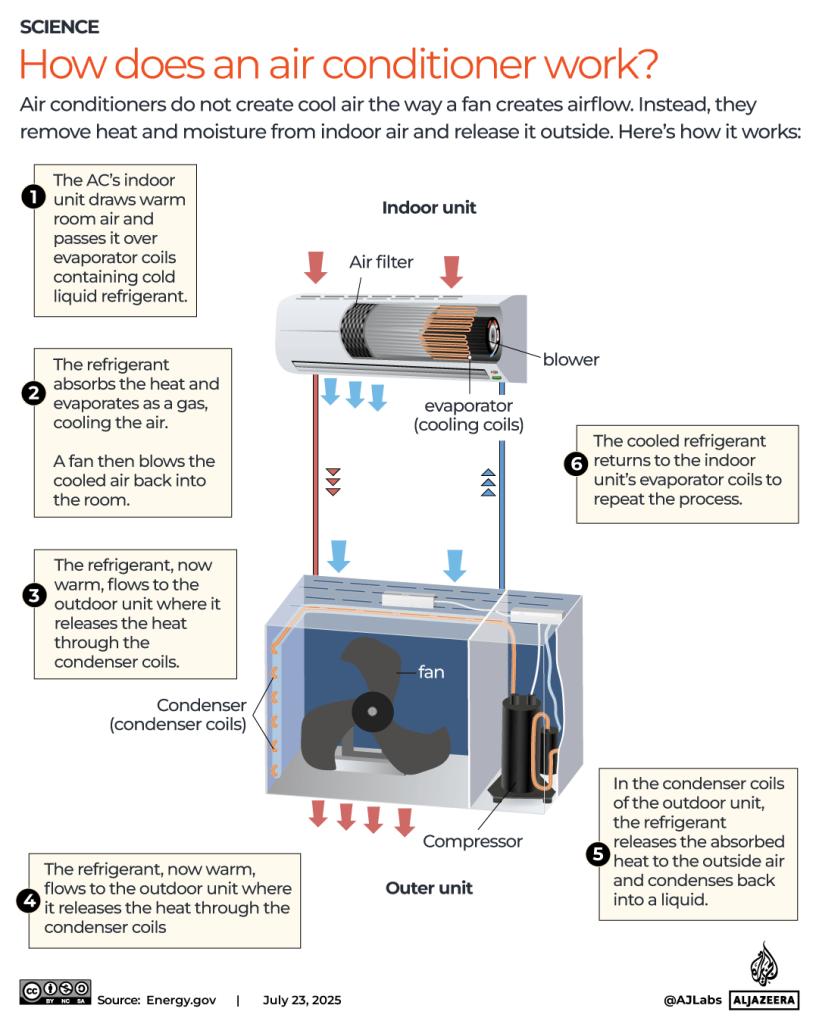
Air conditioners cool your home by moving heat from inside to outside. They need energy to run their parts like the compressor and fans.
The amount of energy used depends on the type of system and how long it runs. Understanding this helps manage your energy use better.
Electricity Vs Gas Consumption
Most air conditioners use electricity to work. They do not use gas directly. Instead, gas is often used to heat homes, not cool them.
Some systems called gas-powered air conditioners exist, but they are less common. They use natural gas to run the cooling process.
- Electric air conditioners run on electric power.
- Gas air conditioners use natural gas for cooling.
- Electric systems are more common in homes.
- Gas systems may save electricity but use gas fuel.
Types Of Air Conditioning Systems
There are different types of air conditioners. Each type uses energy in a different way and has its own advantages.
Knowing the types helps you choose the right system for your needs and energy use.
- Window units: compact and use electricity directly.
- Split systems: have indoor and outdoor parts, use electricity.
- Central air: cools whole homes, powered by electricity.
- Gas-powered AC: use natural gas to run the cooling cycle.
- Evaporative coolers: use water and electricity, not gas.

Credit: www.aol.com
Common Misconceptions About Gas Usage
Many people think running an air conditioner uses gas. Others believe gas furnaces and air conditioners use the same fuel. These ideas can cause confusion about energy costs. Understanding how each system works helps clear up these myths.
This article explains the difference between air conditioners and gas furnaces. It also separates myths from facts about gas use.
Air Conditioners And Gas Furnaces
Air conditioners cool your home by using electricity, not gas. They work by moving heat from inside to outside. Gas furnaces heat your home by burning natural gas or propane. They create warm air and blow it through your house.
Because air conditioners use electricity, running them does not increase your gas bill. Gas furnaces, on the other hand, use gas only when heating is needed. These two systems use different energy sources and have separate costs.
- Air conditioners use electricity for cooling.
- Gas furnaces use natural gas for heating.
- Running the air conditioner does not increase gas use.
- Heating with a gas furnace adds to your gas bill.
Myths Vs Reality
Some people think that running an air conditioner uses more gas. This is not true because air conditioners run on electricity. Another myth is that gas furnaces also cool, but they only heat. Knowing these facts helps you save money and avoid confusion.
Here are common myths and the real facts about gas use in cooling and heating:
- Myth:Air conditioners use gas to cool your home.
Reality:They only use electricity. - Myth:Gas furnaces cool and heat your home.
Reality:Gas furnaces only provide heat. - Myth:Running an air conditioner raises your gas bill.
Reality:It raises your electric bill, not gas. - Myth:Gas usage depends on the air conditioner.
Reality:Gas use depends on the furnace and heating needs.
Factors Influencing Gas Consumption
Running an air conditioner can affect your gas usage in several ways. Understanding these factors helps you manage energy costs better.
Gas consumption depends on how you use your air conditioner and your home’s setup. Small changes can make a big difference.
Thermostat Settings And Usage Patterns
The thermostat controls how hard your air conditioner works. Setting it too low can increase gas use. Using the AC only when needed saves energy.
- Keep the thermostat at a moderate temperature.
- Use programmable thermostats to reduce cooling when away.
- Avoid frequent changes in temperature settings.
- Turn off the AC when rooms are not in use.
Home Insulation And Efficiency
Good insulation helps keep cool air inside and warm air outside. This reduces the work your air conditioner does and lowers gas consumption.
| Insulation Type | Effect on Gas Use |
| High-quality wall insulation | Reduces gas use by 15% |
| Double-pane windows | Reduces gas use by 10% |
| Sealed doors and windows | Reduces gas use by 12% |
| Poor insulation | Increases gas use |

Credit: www.evapolar.com
Energy Costs And Environmental Impact
Running your air conditioner affects both your energy bills and the environment. It is important to understand how it uses electricity and gas. This knowledge helps you manage costs and reduce harm to nature.
Many people wonder if using an air conditioner raises their gas bill. The answer depends on the type of system you have and how your home uses energy. Let’s explore the costs and environmental effects.
Comparing Electric And Gas Bills
Air conditioners usually run on electricity, not gas. If you have a gas furnace, the gas bill may not increase much from cooling. The electric bill will rise because the AC uses electric power.
In some homes, gas powers the heating, and electricity powers the cooling. Running the AC raises electric bills but not gas bills. You can check your bills to see which energy you use more.
- Air conditioner uses electricity, so electric bills rise.
- Gas bills stay the same if gas heats only.
- Some systems use gas for cooling, but this is rare.
- Look at your meter to track energy use.
Carbon Footprint Considerations
Using an air conditioner increases your home’s carbon footprint. This happens because electric power often comes from fossil fuels. Burning these fuels releases carbon dioxide, which harms the environment.
Gas heating also creates carbon emissions. Choosing energy sources like solar or wind reduces your impact. Saving energy by using the AC wisely helps lower your carbon footprint too.
- Electric AC units add to carbon emissions if electricity is from fossil fuels.
- Gas heating produces carbon emissions directly.
- Renewable energy cuts carbon footprint.
- Use AC less or set higher temperatures to save energy.
Tips To Reduce Energy Usage
Running your air conditioner can increase your energy bills. It may also use more gas if your home uses gas for heating. Learning how to reduce energy use helps save money and energy.
Small changes in how you use your air conditioner can make a big difference. Let’s look at some ways to keep cool without using too much energy.
Optimizing Air Conditioner Performance
Keep your air conditioner running well to use less energy. Regular cleaning and maintenance help it work better. Set your thermostat to a higher temperature when you are not home.
- Clean or replace air filters every month
- Seal leaks around windows and doors
- Use a programmable thermostat to control cooling
- Keep blinds closed during hot days
- Schedule yearly professional AC check-ups
Alternative Cooling Methods
Try other ways to cool your home without using the air conditioner all the time. These methods reduce energy use and keep you comfortable.
- Use fans to circulate air inside rooms
- Open windows in the evening to let cool air in
- Plant trees or shrubs to block sunlight
- Use light-colored curtains to reflect heat
- Turn off heat-producing appliances during hot days

Credit: coastalhomeservicesinc.com
Frequently Asked Questions
Does Using Ac Increase Fuel Consumption?
Yes, running your air conditioner can increase fuel consumption. The engine needs to work harder to power the AC. This can lead to higher fuel usage, especially during city driving. It’s more noticeable at lower speeds when compared to highway driving.
How Much Gas Does Ac Use In A Car?
The air conditioner can increase fuel consumption by up to 20%. The exact amount depends on the vehicle and driving conditions. Larger engines may consume more gas when the AC is on. Using AC at higher speeds is more efficient than at lower speeds.
Is It Better To Use Ac Or Windows Down?
Using AC is more efficient at highway speeds than rolling windows down. Open windows create aerodynamic drag, increasing fuel consumption. In city traffic, windows down may save more fuel. Choosing between AC and windows depends on speed and comfort preference.
Can Ac Affect Engine Performance?
Yes, running the AC can affect engine performance slightly. The engine diverts some power to operate the AC compressor. This can reduce acceleration and power availability. However, the impact is usually minimal in modern vehicles and often goes unnoticed.
Conclusion
Running your air conditioner can increase gas use, but it depends. Gas consumption rises if your AC uses a gas-powered generator or heater. Electric air conditioners do not use gas directly. Keeping your system well-maintained helps lower energy use. Setting the temperature wisely also saves gas and money.
Small changes make a big difference over time. Stay cool without wasting fuel. That’s smart for your wallet and the planet.