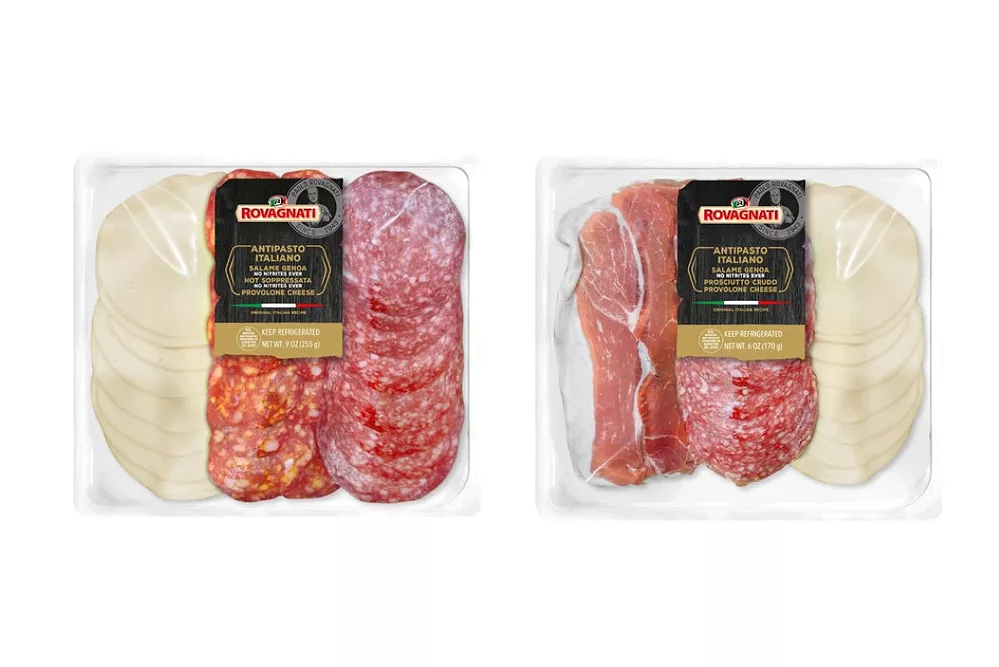
Have you ever wondered if that delicious stick of salami needs to be stored in the fridge? You’re not alone.
Many people find themselves puzzled over whether salami should be refrigerated or if it can safely sit on the kitchen counter. Understanding how to store salami properly can help you enjoy its rich flavors without worrying about freshness. We’ll uncover the secrets of salami storage and give you clear answers to keep your favorite snack safe and tasty.
Keep reading to discover how to handle your salami with care, and never second-guess its storage again!
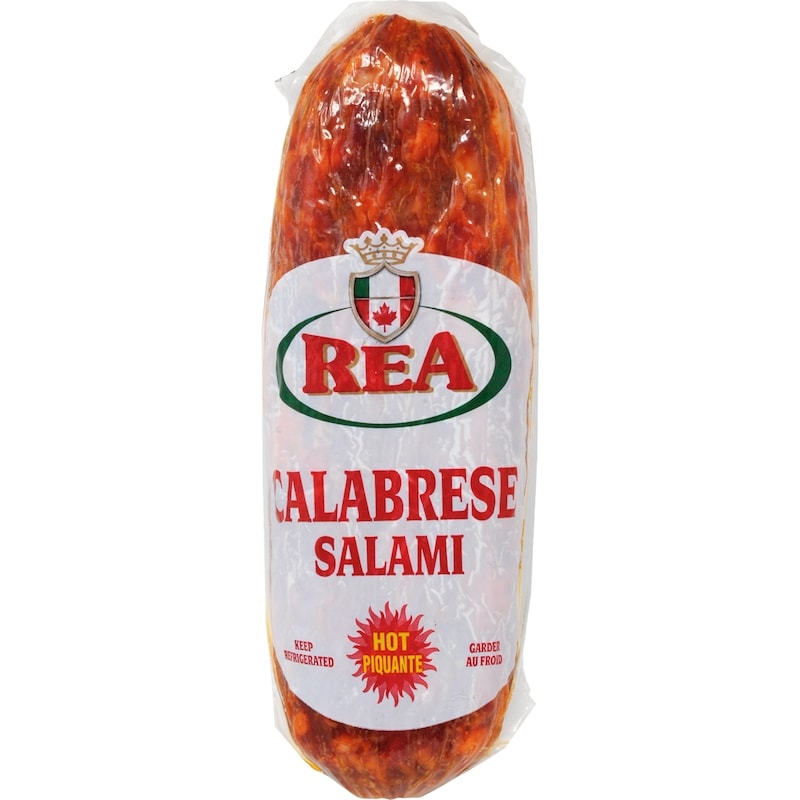
Credit: www.fortinos.ca
Types Of Salami
Salami comes in various types, each with unique characteristics that affect how you store it. Knowing the differences can help you decide if refrigeration is necessary. Let’s look at the three main kinds of salami and what makes them special.
Dry-cured Salami
Dry-cured salami is made by hanging the meat to dry over weeks or months. This process removes moisture and preserves the salami naturally. Because of this, dry-cured salami often doesn’t require refrigeration until it’s sliced.
Have you ever noticed how this type keeps its flavor even at room temperature? That’s due to the curing process creating a protective environment. Still, once cut, it’s best to wrap it tightly and refrigerate to keep it fresh.
Cooked Salami
Cooked salami is heated during production, which kills bacteria and extends shelf life. This type is softer and often found pre-sliced in stores. Unlike dry-cured, cooked salami usually needs refrigeration to stay safe and tasty.
If you’ve bought pre-packaged cooked salami, check the label for storage instructions. Many brands recommend keeping it cold even before opening. This helps maintain the meat’s texture and prevents spoilage.
Fresh Salami
Fresh salami is raw and not cured or cooked. It’s similar to raw sausage and must be refrigerated or frozen immediately. Since it contains high moisture, it spoils quickly if left out.
Have you tried fresh salami? It’s often cooked at home or used in recipes that require thorough cooking. Always treat fresh salami like raw meat to avoid any health risks.

Credit: www.wisconsinrivermeats.com
Salami Shelf Life
Understanding how long salami lasts can save you from unnecessary waste and keep your meals safe and tasty. Salami’s shelf life depends heavily on whether it’s opened, unopened, or homemade. Let’s break down what you need to know to handle your salami wisely and enjoy it at its best.
Unopened Salami
Unopened salami usually has a longer shelf life thanks to its airtight packaging. You can often keep it in the fridge for up to six weeks or in the pantry if it’s dry-cured and properly sealed.
Check the expiration date on the package and always store it in a cool, dry place. Have you ever noticed how some unopened salami lasts longer simply because it’s kept away from heat and moisture?
Opened Salami
Once you open salami, its shelf life shortens significantly. Typically, you should consume it within three weeks when refrigerated.
Be sure to wrap it tightly in plastic wrap or store it in an airtight container. This prevents it from drying out and absorbing other odors. Have you experienced salami that dried out quickly after opening? Proper storage can prevent that.
Homemade Salami
Homemade salami requires extra care since it lacks commercial preservatives. It often lasts about two to three weeks in the fridge when properly wrapped.
Because it’s made without additives, monitor it closely for any changes in smell or texture. Do you trust homemade salami as much as store-bought? Knowing its shelf life helps you enjoy it safely without guessing.
Refrigeration Needs
Salami’s refrigeration needs depend on its type and packaging. Understanding when to refrigerate salami helps keep it fresh and safe. Some salami types need cold storage, while others stay stable at room temperature. Proper storage prevents spoilage and maintains flavor.
When To Refrigerate
Fresh salami must be refrigerated to stop bacteria growth. Opened or sliced salami also needs cold storage. Store it in an airtight container or wrap it tightly. This keeps the meat moist and flavorful.
When Refrigeration Isn’t Needed
Dry-cured salami can stay outside the fridge if unopened. It has low moisture and high salt, which slows spoilage. Keep it in a cool, dry place away from sunlight. Check the package for specific storage advice.
Temperature Guidelines
- Keep refrigerated salami at or below 40°F (4°C).
- Room temperature storage should not exceed 70°F (21°C).
- Avoid temperature changes to prevent moisture buildup.
- Freeze fresh salami for longer storage, but not dry-cured types.
Storage Tips
Proper storage keeps salami fresh and tasty for longer. It protects salami from drying out and stops bacteria growth. Using the right methods helps maintain flavor and texture. Follow these tips to store salami safely and enjoy it at its best.
Proper Wrapping Techniques
Wrap salami tightly in wax paper or parchment paper. Avoid using plastic wrap directly on the meat. Paper allows salami to breathe and prevents moisture buildup. After wrapping, place it inside a plastic bag or container. Change the wrapping if it becomes damp to keep salami dry.
Using Airtight Containers
Store wrapped salami inside an airtight container. This stops air and odors from affecting the flavor. Choose containers made from glass or BPA-free plastic. Keep the container in the refrigerator’s coldest part. Check the container regularly for moisture and wipe it clean if needed.
Freezing Salami
Freezing works well for long-term storage. Slice salami before freezing for easier use later. Wrap slices in plastic wrap, then place them in a freezer bag. Remove as much air as possible from the bag. Label the bag with the date before freezing. Use frozen salami within two months for best taste.
Signs Of Spoiled Salami
Knowing the signs of spoiled salami helps keep you safe and avoid waste. Salami can spoil without clear warnings. It is important to check it carefully before eating. Changes in look, smell, and texture give strong clues about freshness. Eating bad salami can cause health problems. Always inspect salami closely for these signs.
Visual Changes
- Discoloration such as dark spots or greenish mold.
- White powdery coating is normal on dry-cured salami, but fuzzy mold is not.
- Sticky or slimy surface indicates spoilage.
- Cracks or dryness beyond usual texture.
Smell And Texture
- Sour or rancid smell shows bacterial growth.
- Strong ammonia or rotten odor is a bad sign.
- Salami should be firm, not mushy or overly soft.
- Unusual stickiness or wetness on the surface means it is spoiled.
Health Risks
- Eating spoiled salami may cause stomach pain and vomiting.
- Bacteria like Listeria and Salmonella can grow in bad salami.
- Food poisoning symptoms appear within hours to days.
- Proper storage reduces risk of contamination and illness.
Travel And Outdoor Storage
Traveling or spending time outdoors can raise questions about storing salami safely. Salami is a cured meat, but it still needs care to keep it tasty and safe. Knowing how to pack and maintain salami during trips helps avoid spoilage and waste.
Packing Salami For Trips
Choose salami that is vacuum-sealed or tightly wrapped. Use airtight containers or resealable plastic bags to keep air out. Pack salami with cold packs or ice packs inside an insulated cooler. Keep the cooler in a shaded spot during travel. Avoid leaving salami in direct sunlight or hot places. If you carry dry salami, it can last longer without refrigeration but still store it in a cool place. Cut only the amount you will eat to prevent waste.
Maintaining Freshness Outdoors
Use a cooler with sufficient ice or gel packs to keep salami cold. Open the cooler only when necessary to keep the cold air inside. Keep the salami wrapped or sealed to prevent drying out. If refrigeration is not possible, consume salami within a few hours to avoid spoilage. Check salami for any strange smell or texture before eating. Proper storage helps keep salami flavorful and safe during outdoor activities.

Credit: www.ctvnews.ca
Frequently Asked Questions
Does Salami Need Refrigeration After Opening?
Yes, salami should be refrigerated after opening to maintain freshness and prevent spoilage. Keep it in an airtight container. Store it in the coldest part of the fridge and consume within 3 weeks for best quality.
Can Unopened Salami Be Stored Without Refrigeration?
Unopened dry-cured salami can be stored at room temperature for a limited time. However, refrigerating extends its shelf life and preserves flavor. Avoid high humidity and heat to prevent spoilage.
How Long Does Salami Last In The Refrigerator?
Refrigerated salami typically lasts 2 to 3 weeks after opening. If vacuum-sealed and unopened, it can last up to 6 weeks. Always check for mold or off smells before consuming.
Is It Safe To Eat Unrefrigerated Salami?
Eating unrefrigerated salami can be safe if it’s dry-cured and kept in a cool, dry place. However, fresh or cooked salami must always be refrigerated to avoid bacterial growth.
Conclusion
Salami can last longer if kept in the fridge. Room temperature may cause it to spoil faster. Always check the packaging for storage advice. Once opened, store salami in an airtight container. This helps keep it fresh and tasty. Cold storage slows down bacteria growth.
Enjoy salami safely by keeping it cool. Simple steps prevent waste and save money. Remember, good storage means better flavor and safety.