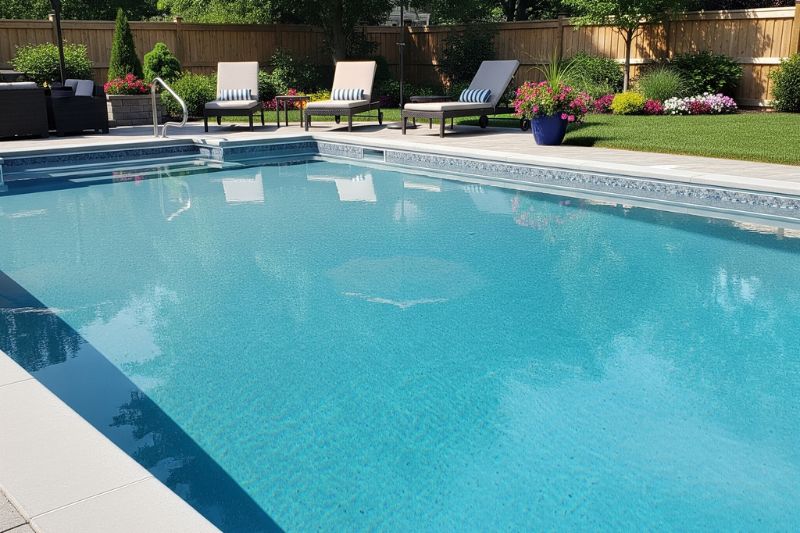
Have you ever wondered whether your saltwater pool might turn into an icy rink during those cold winter months? As a pool owner, it’s crucial to know how your pool behaves in different temperatures.
Understanding whether saltwater pools freeze can save you from unexpected headaches and costly repairs. We’ll uncover the science behind saltwater pools and freezing temperatures, offering practical tips to keep your pool in top shape. Stick around to discover how you can enjoy peace of mind, even when the temperature drops.
Your pool’s winter survival guide starts here!
Salt Water Pool Basics
Understanding salt water pools helps answer if they freeze or not. These pools differ from regular pools in how they clean and maintain water. Knowing the basics gives clarity on their behavior in cold weather.
How Salt Water Pools Work
Salt water pools use a salt chlorine generator. It changes salt in the water into chlorine. This chlorine cleans the pool by killing bacteria and algae. The system runs continuously to keep water safe and clear.
Unlike traditional pools, salt water pools add salt but not much. The salt level is low enough to be gentle on skin and eyes. The pool water feels softer and less harsh than chlorinated pools.
Salt Concentration Levels
Salt water pools have salt levels around 2,500 to 4,000 parts per million (ppm). This is much lower than seawater, which has about 35,000 ppm salt. The salt level must stay balanced for the chlorine generator to work well.
Too little salt means low chlorine production, risking dirty water. Too much salt can damage the pool equipment. Regular testing keeps salt concentration in the right range.
Freezing Point Of Salt Water
Understanding the freezing point of salt water is essential if you own or are considering a salt water pool. Unlike fresh water, salt water behaves differently when temperatures drop, which can affect your pool maintenance and safety. Let’s break down how salt impacts the freezing process and what that means for your pool during cold weather.
Comparison With Freshwater
Pure freshwater freezes at 32°F (0°C). Salt water, however, freezes at a lower temperature due to the salt dissolved in it.
Think about seawater, which typically freezes around 28.4°F (-2°C). This difference occurs because salt lowers the freezing point, a phenomenon called freezing point depression.
If you’ve ever noticed ice forming later or melting faster near coastal areas, that’s why. Your salt water pool won’t freeze as quickly as a freshwater pool would under the same conditions.
Impact Of Salt Levels On Freezing
The concentration of salt in your pool directly affects the freezing point. The more salt you add, the lower the temperature must be for the water to freeze.
- At low salt levels, the freezing point is just a few degrees below 32°F.
- At higher salt concentrations, it can drop several degrees further.
Pool salt levels usually range between 2,500 to 4,000 ppm (parts per million). At these levels, freezing might occur near 30°F (-1°C), slightly below the freezing point of pure water.
Have you checked your pool’s salt level during winter? Keeping it balanced can help you predict when ice might form and take action to protect your pool equipment.
Factors Affecting Pool Freezing
Understanding why and how a salt water pool might freeze involves looking at several key factors. These factors determine the likelihood and speed of freezing, impacting how you manage your pool during colder months. Knowing these details helps you protect your investment and keep your pool ready for use.
Climate And Temperature Effects
Temperature is the biggest player in whether your salt water pool freezes. If your area experiences prolonged temperatures below 32°F (0°C), your pool water is at risk of freezing despite its salt content. Salt lowers the freezing point slightly, but not enough to prevent freezing in severe cold.
Think about places with fluctuating winter temperatures. One night might dip below freezing, then warm up the next day. This cycle can cause the water to freeze and thaw repeatedly, stressing your pool’s structure. Have you noticed how quickly ice forms on your car windshield in the early morning? The same principle applies to your pool.
Wind chill also matters. Strong winds cool the water surface faster, increasing the freeze risk. So, a windy, cold night could freeze your pool quicker than a still, cold one.
Pool Size And Depth Influence
Smaller pools freeze faster than larger ones because they hold less water, which loses heat more quickly. If your pool is shallow, it has less water volume to retain heat overnight, making it more vulnerable to freezing. On the other hand, deeper pools maintain temperature better and resist freezing longer.
Have you ever noticed how deep lakes rarely freeze all the way through? Salt water pools behave similarly. The bottom layers stay warmer, slowing down the freezing process. But if your pool is both small and shallow, you should be extra cautious during cold snaps.
Another factor is how your pool is insulated by its surroundings. A pool surrounded by concrete or stone may lose heat faster than one shielded by vegetation or a pool house. So, the environment around your pool can either protect it or expose it to freezing risk.

Credit: www.youtube.com
Preventing Salt Water Pool Freeze
Preventing your salt water pool from freezing is essential to keep it safe and functional during cold weather. Even though salt water lowers the freezing point of water, extreme cold can still cause damage. Taking the right steps early can save you from costly repairs and pool downtime.
Using Pool Covers
Covering your pool traps heat and reduces heat loss through evaporation. A well-fitted, insulated pool cover acts like a barrier against cold air, keeping the water temperature more stable.
Choose covers designed specifically for cold climates or winter use. If you’ve ever left your pool uncovered during a cold snap, you know how quickly ice can form. A cover not only prevents freezing but also keeps debris out, making spring cleanup easier.
Heating Options
Maintaining a consistent water temperature is the most direct way to prevent freezing. Pool heaters, such as electric heat pumps or gas heaters, keep the water warm enough to avoid ice formation.
If you want to save energy, consider solar pool heaters—they use the sun’s energy to raise water temperature. Even a low-level heat can make a big difference on cold nights. Ask yourself: How much are you willing to invest in heating versus the cost of potential freeze damage?
Circulation And Filtration Tips
Moving water freezes less easily than still water. Running your pool pump regularly keeps water circulating and prevents ice buildup.
Keep your filtration system on during cold nights and avoid turning it off for long periods. You might also leave jets and returns open to encourage water movement in vulnerable areas. This simple action can be your best defense against freezing.
Consequences Of Freezing
Freezing salt water pools can cause serious problems. Ice expands as it forms, putting stress on many parts of the pool. This pressure can lead to costly repairs. Protecting your pool from freezing temperatures is important to avoid damage.
Damage To Pool Equipment
Salt water pool equipment is sensitive to freezing. Pumps, filters, and heaters contain water that can freeze and expand. This expansion may crack pipes or damage seals. Broken equipment often needs replacement, which costs time and money.
Salt can also corrode parts faster if ice causes cracks. Frozen water inside valves can cause them to fail. Proper winterizing and draining help prevent this damage.
Structural Risks To Pool Shell
The pool shell can suffer from freezing too. Water trapped in cracks or porous surfaces expands as it freezes. This causes cracks to grow larger over time.
Concrete and fiberglass pools can both develop structural problems. These cracks weaken the pool’s integrity. Repairing a cracked pool shell is difficult and expensive.
Ice buildup can also lift tiles or damage plaster finishes. Regular maintenance reduces these risks. Covering the pool during winter helps protect the shell.
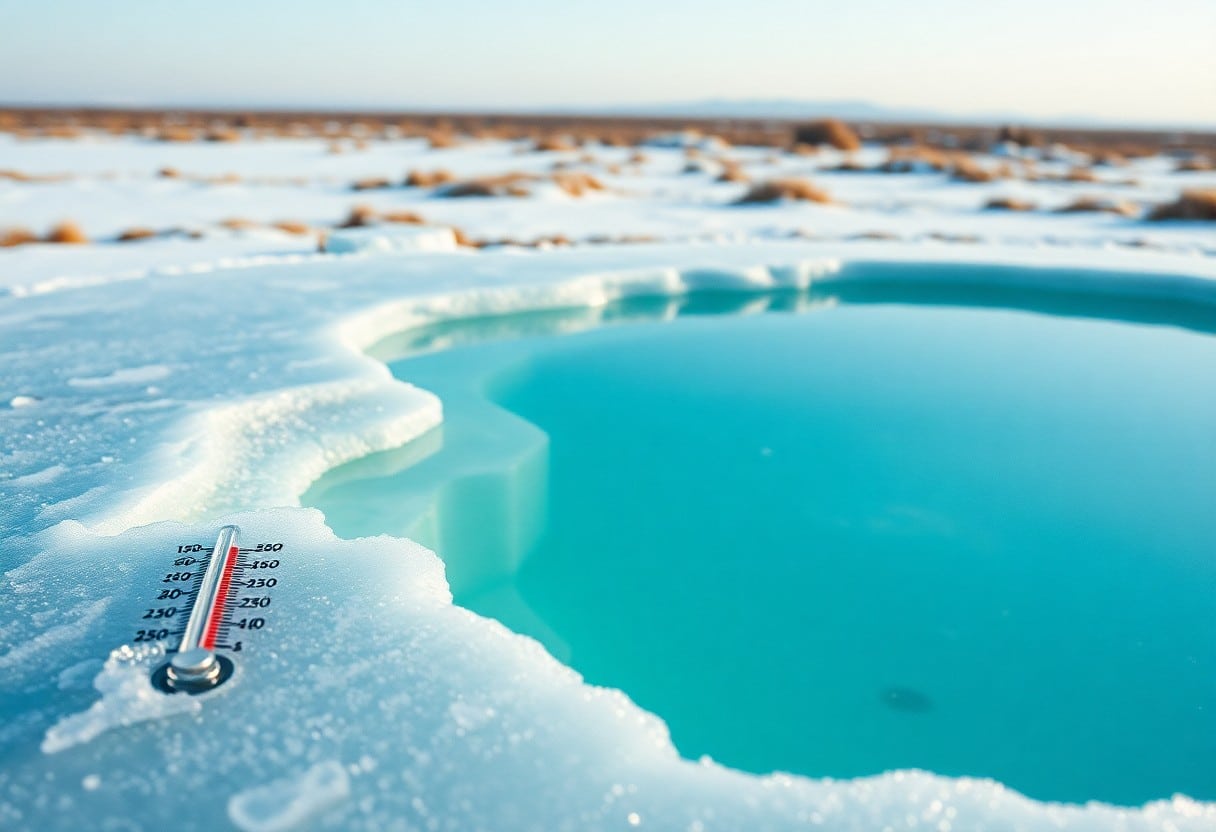
Credit: rmdpoolservice.com
Winterizing Salt Water Pools
Winterizing salt water pools is essential to protect them from freezing temperatures. Salt water pools can freeze, but proper preparation prevents damage. Taking the right steps preserves pool equipment and water quality through cold months.
Preparing the pool for winter involves cleaning, balancing chemicals, and protecting plumbing. Regular maintenance during winter keeps the pool safe and ready for spring.
Step-by-step Winter Preparation
- Clean the pool thoroughly, removing debris and leaves.
- Balance pool water chemistry to prevent corrosion and algae growth.
- Lower the water level below the skimmer to avoid freeze damage.
- Drain and blow out water from pipes and equipment to stop freezing.
- Add pool antifreeze to plumbing lines as an extra precaution.
- Disconnect and store pool accessories like ladders and covers.
- Cover the pool with a durable winter cover to keep out dirt.
Maintenance During Cold Months
- Check the pool cover regularly for debris and damage.
- Remove any standing water or snow from the cover to prevent pressure.
- Run the pump occasionally to circulate water and avoid freezing.
- Test water chemistry monthly and adjust as needed.
- Inspect pipes and equipment for cracks or leaks.
- Keep the area around the pool clear of ice and snow buildup.

Credit: poolcarespecialists.com
Frequently Asked Questions
Does Salt Water Lower Freezing Point Of Pools?
Yes, salt water lowers the freezing point of pool water. Salt disrupts ice formation, requiring colder temperatures to freeze. This means salt water pools freeze at lower temperatures than freshwater pools, but freezing is still possible in extreme cold conditions.
How Cold Can Salt Water Pools Get Before Freezing?
Salt water pools freeze below 28°F (-2°C) depending on salt concentration. Higher salt levels lower freezing point further. Regular pool salt levels slightly delay freezing but do not prevent it entirely in freezing climates.
Can Salt Water Pools Ice Damage Pool Equipment?
Yes, freezing salt water can damage pool equipment like pumps and pipes. Ice expansion causes cracks and breaks. Proper winterization and draining water from equipment is essential to avoid costly repairs during freezing weather.
Is Salt Water Pool Maintenance Different In Freezing Weather?
Yes, salt water pool maintenance requires extra care in freezing weather. Lower temperatures affect salt cell efficiency and water chemistry. Winterizing and using pool covers help protect the pool and salt system during cold months.
Conclusion
Salt water pools can freeze, but it takes colder temperatures than fresh water. The salt lowers the freezing point, so freezing happens less often. Pool owners should watch the weather and prepare for cold spells. Using covers and adding antifreeze helps protect the pool.
Taking care early saves money and repairs later. Understanding how salt water behaves keeps your pool safe all winter. Stay informed and ready to act when cold weather comes. Your pool can survive winter with simple steps and good care.