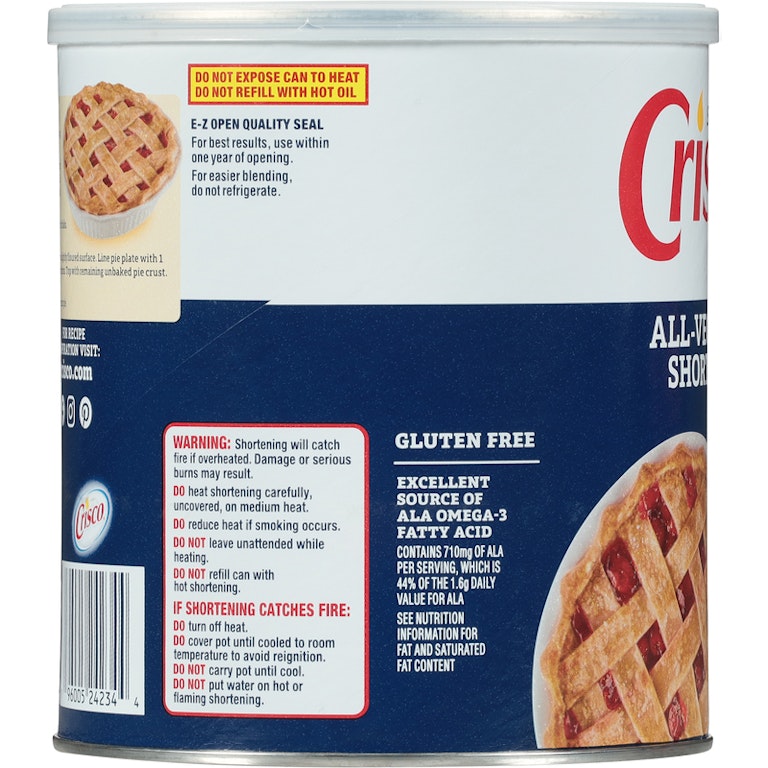
Are you wondering if shortening needs to be refrigerated? You’re not alone.
Many home cooks and bakers ask this question because proper storage can affect the taste and texture of your recipes. Imagine opening your pantry to find your shortening spoiled or hard to use—that’s frustrating, right? You’ll discover the simple truth about storing shortening, so you can keep it fresh and ready for your next baking adventure.
Keep reading to learn the best way to handle your shortening and avoid common mistakes that could ruin your dishes.
Types Of Shortening
Shortening comes in different types, each with unique properties that affect your baking and storage choices. Understanding these types can help you decide whether refrigeration is necessary and how they behave in your recipes.
Vegetable-based Shortening
Vegetable-based shortening is made from oils like soybean, cottonseed, or palm oil. It stays solid at room temperature because it’s hydrogenated or interesterified, which also gives it a long shelf life.
This type rarely needs refrigeration. You can keep it in a cool, dry place, and it will stay fresh for months. Have you noticed how your cookies get that perfect crumb texture when you use vegetable shortening?
Animal-based Shortening
Animal-based shortening includes products like lard and butter. These shortenings come from animal fats and often have a stronger flavor.
Because they contain natural fats prone to spoilage, refrigeration is usually necessary. If you leave lard out too long, it can develop off-flavors or go rancid. Do you ever consider how refrigeration impacts the taste of your pastries?
Specialty Shortenings
Specialty shortenings are designed for particular baking needs, such as low trans-fat or organic options. Some may blend vegetable and animal fats or include added emulsifiers.
Storage instructions vary widely. Always check the label, but many specialty shortenings benefit from refrigeration to maintain quality. Have you experimented with different specialty shortenings and noticed changes in your baking results?

Credit: www.lundsandbyerlys.com
Shelf Life Without Refrigeration
Understanding the shelf life of shortening without refrigeration is key to keeping it fresh and safe to use. Since shortening is a fat-based product, it behaves differently from perishable items. Knowing how long it stays good at room temperature can help you avoid waste and maintain the quality of your baked goods.
Room Temperature Storage Duration
Shortening can typically last for about 6 to 12 months when stored properly at room temperature. The ideal spot is a cool, dry place away from direct sunlight and heat sources. Excessive heat can cause the fat to break down faster, leading to off flavors.
Have you ever found an old tub of shortening in your pantry and wondered if it’s still usable? If it’s been sealed and kept in a stable environment, chances are it’s fine within that time frame. However, once opened, it’s best to use it within a few months to ensure freshness.
Signs Of Spoilage
How can you tell if your shortening has gone bad without opening it? Look for changes in color or texture. If the shortening turns yellowish or develops a grainy texture, it might be starting to spoil.
Another clear indicator is smell. Fresh shortening has a neutral scent, but spoiled shortening will have a rancid or sour odor. If you notice any of these signs, it’s safer to discard the product rather than risk affecting your recipes.
Have you noticed any unusual taste in your baked goods? That can be a subtle hint that your shortening isn’t fresh anymore. Always trust your senses—they are your best guide when refrigeration isn’t an option.
When To Refrigerate Shortening
Knowing when to refrigerate shortening can save you from unexpected texture changes and spoilage. The decision depends on several factors, including your environment and how you’ve stored the shortening. Let’s break down the key considerations so you can keep your shortening fresh and ready for baking.
Climate And Temperature Factors
Shortening is designed to be shelf-stable, but climate plays a big role in how long it lasts without refrigeration. If you live in a hot and humid area, your shortening might soften or even start to smell off after a while.
In cooler climates or air-conditioned kitchens, keeping shortening at room temperature is usually fine. But when temperatures regularly climb above 75°F (24°C), refrigeration can help maintain its texture and prevent rancidity.
Ask yourself: Does your kitchen often feel warm? If yes, refrigerate the shortening to avoid unpleasant surprises in your recipes.
Opened Vs Unopened Containers
Whether the container is opened or unopened also affects whether you need to refrigerate shortening. Unopened containers have a protective seal that keeps air and moisture out, so they generally stay good at room temperature for months.
Once opened, shortening is exposed to air and moisture, which speeds up spoilage. If you don’t plan to use it quickly, placing the opened container in the fridge extends its shelf life and keeps it fresh.
- Unopened shortening: Store in a cool, dry place away from direct sunlight.
- Opened shortening: Refrigerate if you won’t use it within a few weeks.
Think about how often you bake. If you use shortening frequently, room temperature might be fine even after opening. But if you bake occasionally, refrigeration is a safer bet.
Best Practices For Storing Shortening
Proper storage of shortening keeps it fresh and ready to use. It helps maintain taste and texture. Shortening can last longer without spoiling when stored well. Follow these best practices to store shortening safely and effectively.
Airtight Containers
Store shortening in airtight containers to block air and odors. Air exposure causes shortening to dry out or absorb smells. Use clean, dry containers with tight-fitting lids. Original packaging is often suitable if resealable. Transfer shortening to glass or plastic containers if needed.
Avoiding Moisture And Contaminants
Keep shortening away from moisture to prevent spoilage. Moisture causes clumping and reduces shelf life. Always use dry spoons when scooping shortening. Store it in a cool, dry place, away from heat sources. Avoid contact with food crumbs or dirt to keep it clean.
Impact Of Refrigeration On Baking
Refrigeration can affect how shortening behaves in baking. Its temperature influences the dough’s consistency and the final product’s texture. Understanding these effects helps improve baking results.
Texture Changes
Cold shortening is firm and solid. It creates flakier, crispier layers in pastries and pie crusts. Soft or room temperature shortening blends smoothly, producing softer baked goods. Too cold shortening can make dough hard to roll and shape. Warmer shortening mixes easily but may cause dense textures.
Melting And Mixing
Shortening melts faster at room temperature. This helps it mix evenly with flour and sugar. Cold shortening requires more effort to mix well. It can leave small pieces in the dough, which create pockets of air. These pockets help baked goods rise and become light. Over-mixing warm shortening can cause greasy dough. Proper temperature control ensures the right balance for baking.

Credit: www.gianteagle.com
Alternative Storage Options
Storing shortening properly is key to keeping it fresh and ready for your next baking project. While refrigeration is common, there are other ways to store shortening that might suit your kitchen habits better. These alternatives can help maintain the quality of your shortening without taking up fridge space or risking texture changes.
Freezing Shortening
Freezing shortening is a great option if you buy in bulk or don’t use it frequently. It keeps the shortening fresh for several months and prevents it from going rancid. Just make sure to store it in an airtight container or freezer bag to avoid absorbing other odors from the freezer.
When you need it, thaw only the amount you plan to use soon. This way, the rest stays preserved. Have you ever noticed how freezing can sometimes change the texture of fats? With shortening, the difference is minimal if you thaw it slowly in the refrigerator.
Using Small Portions
Dividing your shortening into smaller containers right after opening can save you from repeatedly exposing the whole batch to air and moisture. This simple step helps keep the rest fresh longer. Think about how often you bake—would it be easier to grab a small container instead of a big one every time?
Use clean utensils when scooping out portions to avoid contamination. Label each container with the date to track freshness. This method is especially handy if you share your kitchen or baking supplies with family or friends.

Credit: www.gianteagle.com
Frequently Asked Questions
Does Shortening Spoil If Not Refrigerated?
Shortening is shelf-stable and does not spoil quickly without refrigeration. Store it in a cool, dry place away from heat and light to maintain freshness.
How Long Does Unopened Shortening Last?
Unopened shortening typically lasts up to 1 year when stored properly. Always check the expiration date and keep it sealed tightly for best quality.
Can Refrigeration Change Shortening’s Texture?
Refrigeration can make shortening firmer and harder to use. It’s best kept at room temperature unless your climate is very warm or humid.
Should Shortening Be Refrigerated After Opening?
Refrigeration after opening is optional. If you use shortening frequently, keep it at room temperature for easy scooping. Otherwise, refrigerate to extend shelf life.
Conclusion
Keeping shortening in the fridge isn’t always necessary. It depends on your needs. Room temperature storage works for most cases. Refrigeration can extend shelf life. But it might change texture. Always check the label for specific storage advice. Use your senses.
Watch for signs of spoilage like off smells. Proper storage ensures fresh and safe shortening. Remember, a cool, dark place is ideal. Understanding these tips helps maintain quality. Enjoy your cooking with confidence.