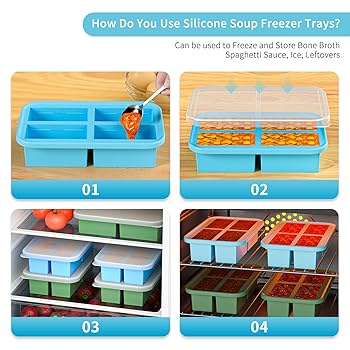
Have you ever wondered what happens to silicone when temperatures drop? Whether you’re using silicone kitchen tools, sealants, or even personal care products, you might be curious to know if these versatile items can withstand the cold.
Imagine reaching for your favorite silicone baking mat or ice cube tray, only to find it cracked or unusable. The thought alone is enough to make you reconsider your choices. But don’t worry; understanding how silicone reacts to freezing temperatures could save you from inconvenient surprises.
Dive deeper with us as we unravel the mysteries of silicone and freezing, helping you make informed decisions for your home and projects.

Credit: www.amazon.com
What Is Silicone?
Silicone is a unique material used in many products. It is a synthetic compound made from silicon, oxygen, carbon, and hydrogen. Silicone can take many forms, such as liquids, gels, and rubber-like solids. Its flexibility and durability make it useful for various applications. Understanding what silicone is helps us know why it behaves differently in cold temperatures.
Basic Properties
- Silicone is heat resistant and can handle high temperatures.
- It stays flexible even in very cold conditions.
- It is water-resistant and does not absorb moisture.
- Silicone is non-toxic and safe for skin contact.
- It has strong chemical stability and does not break down easily.
Common Uses
Silicone is found in many everyday items. It is popular in kitchen tools like baking mats and spatulas. Medical devices often use silicone because it is safe and flexible. Electronics use silicone for sealing and insulation. It is also common in automotive parts and sealants. Its ability to stay soft in cold makes it valuable in outdoor gear and clothing.

Credit: www.amazon.com
Freezing Point Of Silicone
Understanding the freezing point of silicone helps you know how it behaves in extreme cold. Unlike water or metals, silicone doesn’t freeze in the usual sense. This unique property comes from its chemical makeup and physical structure.
Chemical Structure And Temperature
Silicone is made of long chains of silicon and oxygen atoms, called siloxane bonds. These chains are flexible and allow silicone to stay soft and rubbery even at very low temperatures. Because of this, silicone doesn’t have a clear freezing point like water or ice.
Instead, silicone gradually becomes less flexible as the temperature drops, but it doesn’t solidify into a hard, brittle state. You might notice your silicone kitchen tools stay bendy in the freezer, unlike plastic which can crack. This flexibility makes silicone great for cold environments where other materials fail.
Comparison With Other Materials
Compared to materials like water, metals, or plastics, silicone’s behavior is quite different. Water freezes at 0°C (32°F), turning into ice, which is hard and brittle. Metals solidify at much higher temperatures and become rigid.
| Material | Freezing Point | Behavior When Cold |
|---|---|---|
| Water | 0°C (32°F) | Turns solid and hard (ice) |
| Plastic (e.g., polyethylene) | Varies, around -125°C to -80°C | Becomes brittle and can crack |
| Silicone | No distinct freezing point | Remains flexible, soft |
| Metal (e.g., aluminum) | 660°C (1220°F) | Solid and rigid at room temp, stays solid when cold |
Have you ever tried bending a silicone spatula straight from the freezer? You’ll see it keeps its shape without breaking, unlike plastic. This simple test shows how silicone’s structure protects it from freezing damage.
How Silicone Reacts To Cold
Silicone is known for its durability and resistance to extreme temperatures. Understanding how silicone reacts to cold helps us use it properly in various conditions. Cold affects silicone in certain physical ways but does not cause it to freeze like water.
Physical Changes
At low temperatures, silicone can become firmer and less pliable. It does not freeze solid because it is not water-based. Instead, silicone remains flexible but with reduced movement. The material may shrink slightly but usually returns to its original size when warmed. This makes silicone useful in cold environments.
Effect On Flexibility And Texture
Cold temperatures reduce the flexibility of silicone. It feels stiffer and less soft to touch. The texture may become slightly rubbery but does not crack or break easily. Silicone maintains its integrity even in freezing conditions. It regains full softness once it warms up again, showing excellent resilience.
Silicone Vs Water: Freezing Differences
Understanding the freezing differences between silicone and water can change how you use these materials in cold environments. While water solidifies into ice, silicone behaves quite differently under freezing conditions. This contrast affects everything from kitchen tools to outdoor gear.
Why Water Freezes But Silicone Doesn’t
Water freezes because its molecules slow down and lock into a rigid crystal structure at 32°F (0°C). This process causes water to expand and become solid ice. Silicone, however, is a polymer made of long chains of silicon and oxygen atoms, which remain flexible even at very low temperatures.
The molecular structure of silicone prevents it from forming a solid crystal like water does. Instead, it stays rubbery and pliable, which means it doesn’t harden or become brittle when exposed to freezing temperatures. Have you ever noticed how silicone kitchen mats or baking molds still bend easily after being in the freezer? That’s the difference at work.
Implications For Everyday Use
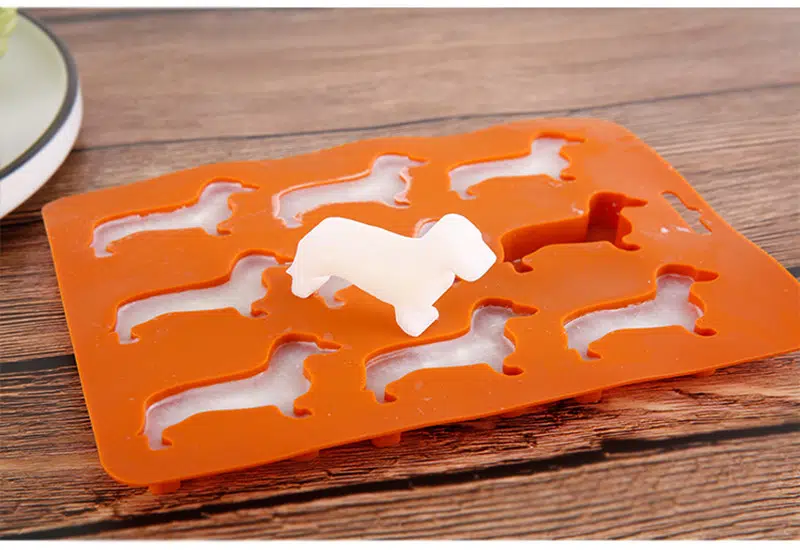
This unique property of silicone offers practical benefits. For example, silicone ice cube trays won’t crack or break when frozen, unlike plastic ones. You can also use silicone baking molds directly from the freezer to the oven without worrying about damage.
Additionally, silicone’s resistance to freezing makes it ideal for outdoor gear like watch straps or protective cases. They remain flexible and durable even in cold weather, which can be a huge advantage if you live in a chilly climate or enjoy winter sports.
Next time you reach for a frozen water bottle or silicone container, consider how their freezing behavior affects your daily routine. Could switching to silicone help you avoid the frustration of cracked plastics or rigid tools during winter?
Practical Implications
Understanding the practical implications of silicone’s behavior in cold conditions is important. It helps in choosing the right material for outdoor and low-temperature uses. Silicone does not freeze like water, but cold can affect its flexibility and performance. Knowing how silicone reacts to cold aids in better application and storage decisions.
Silicone In Cold Weather Applications
Silicone remains flexible even at very low temperatures. This makes it ideal for seals, gaskets, and tubing used outdoors. It withstands freezing without cracking or breaking.
Common uses include:
- Automotive parts exposed to winter cold
- Outdoor electrical insulation
- Cold storage facility components
Its ability to resist hardening ensures long-term durability. Silicone’s stability helps maintain airtight seals and insulation in freezing weather.
Storage And Handling Tips
Store silicone products in a cool, dry place away from direct sunlight. Avoid extreme temperature swings during storage, which can affect quality. Keep containers tightly closed to prevent contamination.
When handling silicone in cold weather:
- Allow silicone to reach room temperature before use
- Keep tools and surfaces clean and dry
- Wear gloves to maintain grip and warmth
Proper storage and handling extend silicone’s lifespan and performance. It ensures the material remains flexible and ready for use.
Credit: consumersiliconeproducts.com
Myths About Silicone Freezing
There’s a lot of talk about whether silicone freezes or not. Some people swear it turns rock hard in the cold, while others say it stays soft no matter what. Sorting fact from fiction can help you understand how silicone behaves and how to use it best.
Common Misconceptions
Many believe silicone freezes like water or metal, becoming brittle and breaking easily. This idea likely comes from confusion with other materials that do harden in cold temperatures.
Another myth is that silicone products lose flexibility immediately when exposed to freezing temperatures. You might have noticed your silicone baking mats or phone cases feel a bit stiffer on chilly mornings, but that’s not the same as freezing solid.
People also assume that silicone must be damaged if left outside during winter. Yet, many outdoor silicone products prove otherwise by functioning well in cold weather without cracking or shattering.
Scientific Clarifications
Silicone is a polymer with a unique structure that resists freezing. Unlike water, it doesn’t crystallize or form ice when chilled.
Its glass transition temperature (where it would harden) is much lower than typical freezer temperatures, often below -100°C (-148°F). This means everyday cold won’t freeze silicone.
Instead of freezing, silicone may become slightly firmer but remains flexible. This property makes it perfect for seals, gaskets, and cookware used in cold conditions.
Have you ever tested your silicone kitchen tools after refrigeration or freezing? You might find they maintain their shape and bounce back without damage.
Frequently Asked Questions
Does Silicone Freeze At Low Temperatures?
Silicone does not freeze like water. It remains flexible even in very cold temperatures. This makes it ideal for extreme weather use.
What Happens To Silicone When Exposed To Freezing?
Silicone stays soft and pliable when exposed to freezing conditions. It won’t crack or become brittle like many plastics do.
Can Silicone Withstand Freezing And Thawing Cycles?
Yes, silicone can handle repeated freezing and thawing without damage. Its chemical structure allows it to resist temperature changes effectively.
Is Silicone Safe To Use In Freezer Storage?
Silicone is safe for freezer use. It won’t degrade or release harmful chemicals at freezing temperatures.
Conclusion
Silicone stays flexible even in very cold temperatures. It does not freeze like water or other liquids. This quality makes silicone useful for many cold weather applications. You can trust silicone products to work well when it is freezing outside.
Knowing this helps you choose the right materials for your needs. Silicone’s resistance to freezing adds to its popularity and usefulness. Remember, silicone keeps its shape and does not become brittle in cold. This makes it a smart option for both home and outdoor use.