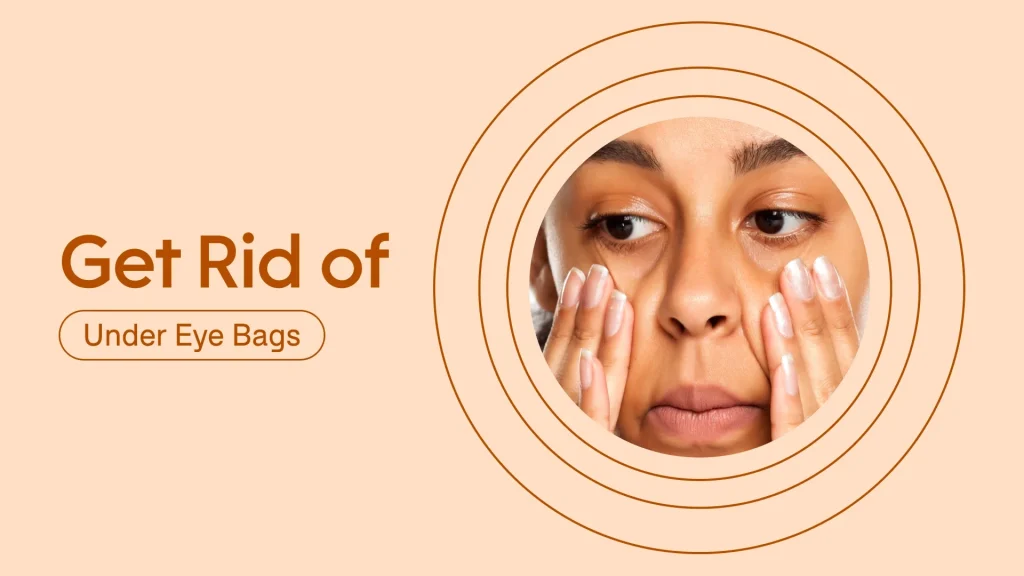
Do you wake up to find those stubborn eye bags staring back at you? You might wonder if simply getting more sleep can erase them.
Eye bags can make you look tired and older, affecting how you feel about yourself every day. But is sleeping enough to get rid of them, or is there more to the story? Keep reading to discover the truth about eye bags and what really works to refresh your look.
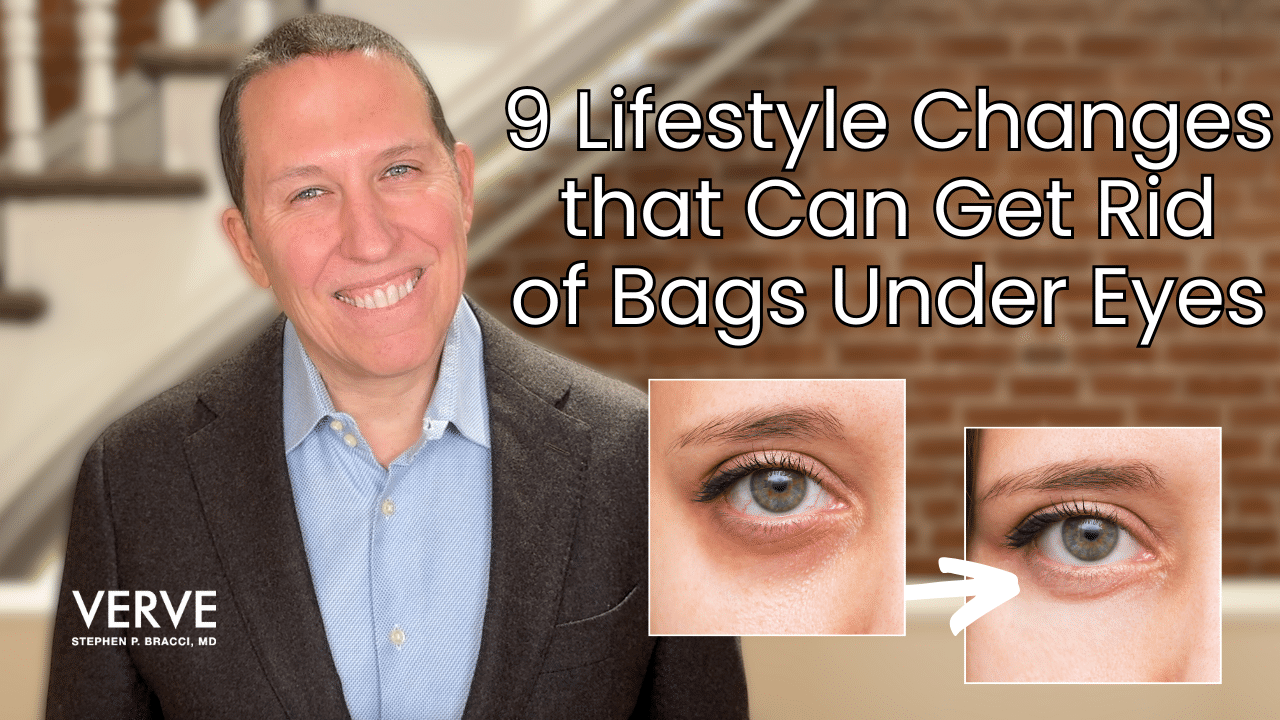
Credit: www.vervelaser.com
Causes Of Eye Bags
Eye bags can make you look tired. They can appear for many reasons. Understanding these causes can help you manage them better.
Let’s explore some common causes of eye bags. Knowing these can guide you towards effective solutions.
Aging And Skin Changes
As we age, our skin changes. It becomes thinner and less elastic. This can cause eye bags to form. Fat that supports the eyes can move into the lower eyelids, making them look puffy.
Collagen production decreases with age. This leads to sagging skin around the eyes.
Fluid Retention
Fluid can build up in the tissues under your eyes. This causes swelling and puffiness. Eating salty foods or hormonal changes can increase fluid retention.
- Salty foods
- Hormonal changes
- Dehydration
Lack Of Sleep
Not getting enough sleep can cause eye bags. Sleep helps your body repair itself. Without enough rest, your skin may look pale, making dark circles and puffiness more noticeable.
Make sure to get 7-9 hours of sleep each night for healthy skin.
Allergies And Irritation
Allergies can cause your eyes to itch and swell. Rubbing your eyes can make it worse. Allergies can lead to inflammation, which causes puffiness around the eyes.
- Pollen
- Dust
- Animal dander
Genetics And Lifestyle
Sometimes, eye bags are hereditary. If your parents have them, you might too. Your lifestyle choices also play a role. Smoking, drinking alcohol, and stress can worsen eye bags.
Maintaining a healthy lifestyle can help reduce the appearance of eye bags.
How Sleep Affects Eye Bags
Eye bags are a common concern for many people. They can make the face look tired and older.
Sleep plays an important role in the appearance of eye bags. Poor sleep can worsen their look.
Role Of Rest In Skin Recovery
Rest helps the skin repair itself. During sleep, the body makes new collagen.
Collagen keeps skin firm and smooth. Lack of rest slows this process and weakens skin.
- Sleep boosts blood flow to the skin
- Rest reduces inflammation around the eyes
- Skin cells regenerate faster during deep sleep
Impact Of Sleep Quality
Good sleep quality means fewer disruptions at night. It helps the body fully relax.
Poor sleep causes stress and fluid build-up. This can make eye bags darker and puffier.
- Deep sleep reduces stress hormone levels
- Quality sleep limits fluid retention under eyes
- Restful nights improve skin tone and texture
Sleep Duration And Puffiness
Short sleep times increase puffiness under the eyes. The skin has less time to recover.
Longer sleep helps reduce swelling. It allows the body to drain excess fluids better.
- Less than 6 hours of sleep worsens puffiness
- 7 to 9 hours of sleep supports skin healing
- Consistent sleep schedules help maintain eye health
Limitations Of Sleep For Eye Bags
Eye bags can make you look tired even after a full night’s rest. Many believe sleep removes them completely. Sleep helps but does not always fix the problem.
This article explains why sleep may not get rid of eye bags. It also covers other reasons for puffiness under the eyes.
When Sleep Isn’t Enough
Sometimes, no matter how much you sleep, eye bags stay. Sleep can reduce puffiness caused by tiredness or fluid buildup. But it can’t fix all causes of eye bags.
- Lack of sleep causes temporary swelling under eyes.
- Sleeping well reduces this puffiness.
- Other causes do not improve with sleep.
- Sleep only helps with fluid-related bags.
Permanent Vs Temporary Puffiness
Eye bags can be permanent or temporary. Temporary bags come from tiredness or allergies. These often improve after rest.
| Type | Cause | Sleep Impact |
| Temporary | Tiredness, allergies, fluid retention | Improves with sleep |
| Permanent | Genetics, aging, fat deposits | Not fixed by sleep |
Other Factors Beyond Sleep
Eye bags depend on more than sleep. Diet, hydration, and skin care matter. Allergies and health issues also play roles.
- Genetics can cause persistent bags.
- Eating salty foods can increase swelling.
- Dehydration makes skin look dull and sunken.
- Allergies may cause constant puffiness.
- Aging thins skin and weakens tissue under eyes.
Effective Ways To Reduce Eye Bags
Eye bags make your face look tired and old. Many people want to know if sleeping can remove them. Sleep helps, but other ways can reduce eye bags too.
Here are some effective methods to help reduce eye bags and refresh your look.
Cold Compress And Home Remedies
Cold compresses reduce swelling by shrinking blood vessels. Simple home remedies can also soothe your eyes.
- Use a cold spoon or chilled cucumber slices on your eyes for 10 minutes.
- Apply cold tea bags to your eyelids to reduce puffiness.
- Try gentle facial massage around the eyes to improve circulation.
- Sleep with your head slightly raised to prevent fluid buildup.
Hydration And Diet
Drinking enough water helps flush out excess salt that causes puffiness. A healthy diet supports skin health and reduces eye bags.
| Food Type | Benefit |
| Water-rich fruits | Hydrate skin |
| Leafy greens | Provide vitamins |
| Low salt foods | Reduce swelling |
| Foods with antioxidants | Protect skin cells |
Skincare Products
Certain creams and gels can help tighten skin and reduce puffiness. Look for products with caffeine or hyaluronic acid.
Key ingredients to look for:
- Caffeine – reduces swelling and tightens skin
- Hyaluronic acid – hydrates and plumps skin
- Vitamin C – boosts collagen and brightens
- Retinol – improves skin texture over time
Medical Treatments
For persistent eye bags, doctors offer treatments like fillers or surgery. These options remove fat or tighten loose skin.
- Dermal fillers add volume to reduce hollow areas.
- Laser therapy tightens skin and improves texture.
- Blepharoplasty surgery removes excess fat and skin.
- Chemical peels help with skin tone and firmness.
Tips For Better Sleep To Help Eye Bags
Eye bags can make you look tired even after rest. Good sleep helps reduce puffiness under the eyes.
Improving your sleep habits can lessen eye bags. Here are some tips to get better sleep.
Sleep Position
Sleeping on your back helps prevent fluid buildup around your eyes. This reduces puffiness and eye bags.
Try to keep your head slightly elevated with a pillow. This stops fluids from collecting under your eyes.
Consistent Sleep Schedule
Going to bed and waking up at the same time helps your body rest well. Good rest can reduce eye bags.
A regular sleep schedule improves skin health. Your eyes look fresher after enough sleep each night.
- Set a bedtime and wake time daily
- Avoid staying up late on weekends
- Create a relaxing routine before bed
Creating A Sleep-friendly Environment
Make your bedroom quiet, dark, and cool. These conditions help you fall asleep faster and sleep deeper.
A calm environment lowers stress. Less stress means less puffiness and fewer eye bags when you wake up.
- Use blackout curtains or an eye mask
- Keep the room temperature comfortable
- Limit noise with earplugs or white noise
- Turn off screens at least 30 minutes before sleep

Credit: thechicsavvy.com
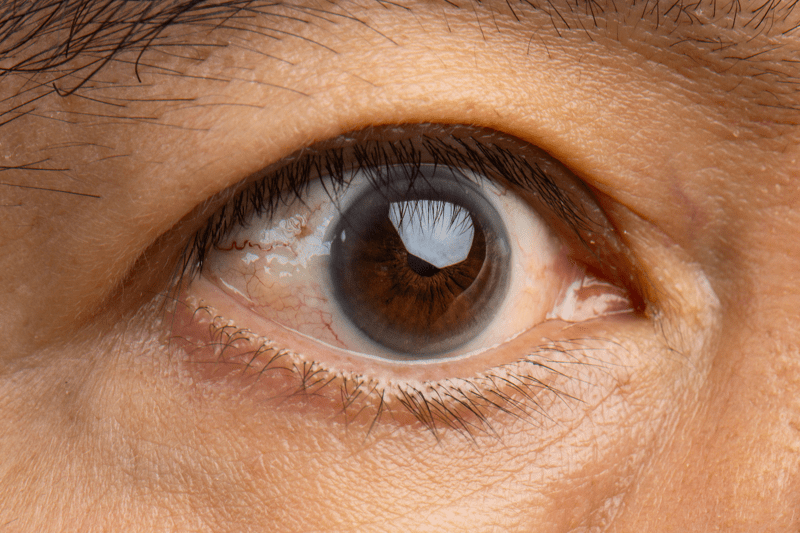
Credit: health.clevelandclinic.org
Frequently Asked Questions
Does Sleeping Reduce Eye Bags Effectively?
Sleeping helps reduce eye bags by allowing fluid drainage and skin repair. However, it may not completely remove persistent bags caused by genetics or aging.
How Many Hours Of Sleep Prevent Eye Bags?
Experts recommend 7-9 hours of quality sleep to prevent eye bags. Consistent rest improves skin health and reduces puffiness around the eyes.
Can Lack Of Sleep Cause Permanent Eye Bags?
Chronic sleep deprivation can worsen eye bags and dark circles. While often temporary, long-term lack of sleep may contribute to lasting under-eye puffiness.
Are There Other Ways To Reduce Eye Bags Besides Sleep?
Yes, using cold compresses, staying hydrated, reducing salt intake, and applying eye creams can help reduce eye bags alongside proper sleep.
Conclusion
Sleep helps reduce eye bags but does not remove them completely. Other factors like diet, hydration, and allergies play a role. Resting well improves skin health and reduces puffiness. Still, some eye bags need creams or medical treatments. Consistent good sleep supports overall appearance and wellness.
Take care of your skin daily for best results. Small changes make a big difference over time. Keep your expectations realistic and be patient with the process.