Have you ever cracked open a bottle of soju, enjoyed a glass or two, and then wondered if it needs a cozy spot in your fridge? You’re not alone.
Many soju enthusiasts find themselves pondering this question. After all, you want to savor every last drop of this popular Korean spirit without compromising its taste. So, what’s the best way to store it once you’ve popped the seal? Stick around to uncover the secrets behind keeping your soju fresh and delicious.
You might just discover a surprising tip or two that changes the way you enjoy your favorite drink.
Credit: www.satsuki.fr
Soju Basics
Understanding the basics of soju is essential before deciding how to store it after opening. This popular Korean spirit has unique qualities that influence its shelf life and storage needs. Let’s break down what soju really is, the types you might find, and what goes into it.
What Is Soju?
Soju is a clear, distilled alcoholic beverage from Korea. Traditionally made from rice, it is now also produced using other starches like barley, wheat, or sweet potatoes.
It’s known for its smooth taste and versatility, often enjoyed neat or mixed in cocktails. Have you ever wondered why soju feels lighter compared to other spirits? That’s part of its charm and appeal.
Common Soju Varieties
Soju comes in many flavors and styles, ranging from traditional to modern twists. Some popular types include:
- Classic Soju:Pure and clear, usually with a crisp taste.
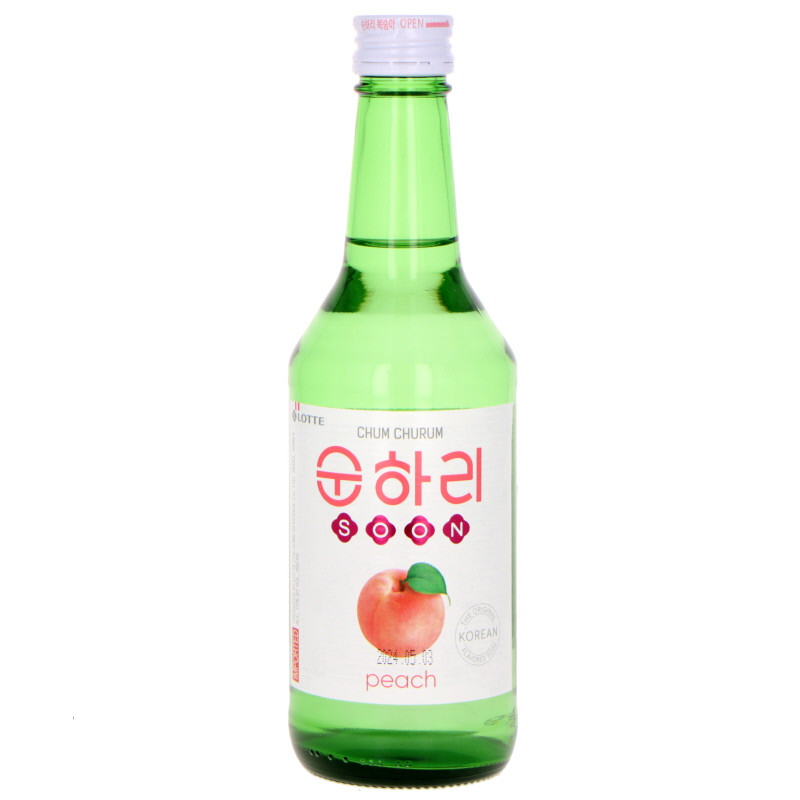
- Flavored Soju:Infused with fruit flavors like peach, grapefruit, or apple, making it sweeter and easier to drink.
- Premium Soju:Crafted with refined distillation methods, offering richer flavors and smoother finishes.
Picking the right variety depends on your taste and how you plan to enjoy it. Have you tried mixing flavored soju with soda or juice? It might change how you think about this drink.
Alcohol Content And Ingredients
Soju’s alcohol content typically ranges between 16% and 25%, lower than many other spirits. This lower alcohol percentage affects both the flavor and how it should be stored.
Ingredients vary but often include:
- Rice, barley, or wheat (traditional bases)
- Sugar or sweeteners (especially in flavored versions)
- Water and yeast for fermentation
This combination gives soju its mild taste and smooth texture. Knowing this helps you understand why its storage needs differ from stronger spirits like whiskey or vodka.
Storage Conditions
Proper storage conditions keep soju fresh and tasty after opening. Soju’s flavor can change if stored incorrectly. Paying attention to temperature, light, and sealing helps maintain its quality. This section explains the key points for storing soju safely.
Ideal Temperature For Soju
Soju stays best at cool temperatures. Keep it between 5°C and 15°C (41°F to 59°F). This range slows down flavor loss and prevents spoilage. Avoid freezing soju, as it can change the texture and taste.
Impact Of Heat And Light
Heat speeds up soju’s chemical changes. Store soju away from heat sources like stoves or sunlight. Light causes oxidation, which harms the flavor. Use a dark place or a cabinet for storage.
Sealing The Bottle Properly
Tight sealing blocks air from entering the bottle. Oxygen breaks down soju’s taste and aroma. Always close the cap firmly after pouring. Consider using plastic wrap under the cap for extra protection.
Refrigeration Effects
Refrigerating soju after opening changes how it tastes and lasts. Cold storage affects flavor, texture, and shelf life. Understanding these effects helps keep soju fresh and enjoyable.
Does Refrigeration Preserve Flavor?
Chilling soju slows down the loss of its fresh taste. Cold temperatures help keep the alcohol’s smoothness intact. Without refrigeration, soju may lose some subtle flavors. Refrigeration keeps the drink crisp and clean for longer.
Changes In Texture And Taste
Cold soju feels smoother and lighter on the tongue. The texture becomes slightly thicker, which many find pleasant. Taste can become sharper or more muted depending on the brand. Room temperature soju might taste stronger or harsher.
Shelf Life When Refrigerated
Refrigerated soju lasts longer than when stored at room temperature. It can stay fresh for several weeks after opening. Without refrigeration, soju may start to taste off within days. Keeping it cold slows oxidation and preserves quality.
Credit: www.danmurphys.com.au
Alternatives To Refrigeration
Soju does not always need refrigeration after opening. There are other ways to keep it fresh without a fridge. These alternatives help maintain its flavor and quality for longer periods.
Storing Soju At Room Temperature
Soju can be stored at room temperature safely. Keep it in a place away from direct sunlight. Avoid areas with high heat or humidity. A stable temperature helps preserve the taste. This method works well for short-term storage.
Cool, Dark Places
Choosing a cool, dark spot is important. A cupboard or pantry often works well. Darkness prevents light from affecting the soju’s flavor. Cooler places slow down changes in taste. This storage style extends soju’s freshness.
Using Airtight Containers
Transfer soju to an airtight container if possible. This reduces exposure to air and moisture. Less air means less oxidation and flavor loss. Use clean bottles or jars with tight seals. Airtight containers help keep soju fresh longer.
Practical Tips
Keeping soju fresh after opening is simple with the right tips. Proper storage and careful serving help maintain its flavor. Knowing when soju has gone bad avoids unpleasant experiences. These practical tips make enjoying soju easy and safe.
How To Store Opened Soju
Store opened soju in a cool, dark place. A refrigerator is best to keep it fresh longer. Make sure the bottle is tightly sealed to stop air from spoiling it. Avoid storing soju near strong smells as it can absorb them. Use the original bottle or a clean container with a good lid.
Signs Soju Has Gone Bad
- Change in smell: sour or off odors indicate spoilage.
- Change in taste: bitterness or strange flavors mean it’s bad.
- Cloudiness or sediment: clear soju should not look murky.
- Foaming or fizzing: unexpected bubbles suggest fermentation.
Best Practices For Serving
Pour soju into clean, dry glasses. Serve chilled for the best taste. Avoid leaving soju out at room temperature for long periods. Use small glasses to keep soju fresh during drinking. Pour only what will be consumed to reduce waste.
Credit: www.danmurphys.com.au
Frequently Asked Questions
Does Soju Need Refrigeration After Opening?
Yes, Soju should be refrigerated after opening to maintain its freshness. Refrigeration slows down oxidation and preserves flavor. Storing Soju in a cool place prevents spoilage and keeps it safe to drink longer.
How Long Can Opened Soju Last Refrigerated?
Opened Soju can last up to one month in the refrigerator. Proper sealing and cold storage help maintain taste and quality. Avoid leaving Soju at room temperature for extended periods after opening.
Can Soju Be Stored At Room Temperature After Opening?
Storing opened Soju at room temperature is not recommended. Exposure to heat and air can degrade its flavor quickly. Refrigeration extends Soju’s shelf life and keeps it fresh for longer.
Does Refrigeration Affect Soju’s Taste?
Refrigeration helps retain Soju’s clean and smooth taste after opening. It prevents the alcohol from oxidizing and losing quality. Drinking chilled Soju is common and enhances its refreshing flavor.
Conclusion
Soju stays fresh longer when stored in the fridge after opening. Cold temperatures slow down changes in taste and quality. Keeping it sealed tightly also helps preserve flavor. You can enjoy soju best by chilling it properly. Storing soju at room temperature may reduce its freshness.
Simple steps protect your drink and keep it tasty. Try to finish the bottle within a few weeks for the best experience. This way, every sip stays smooth and enjoyable.