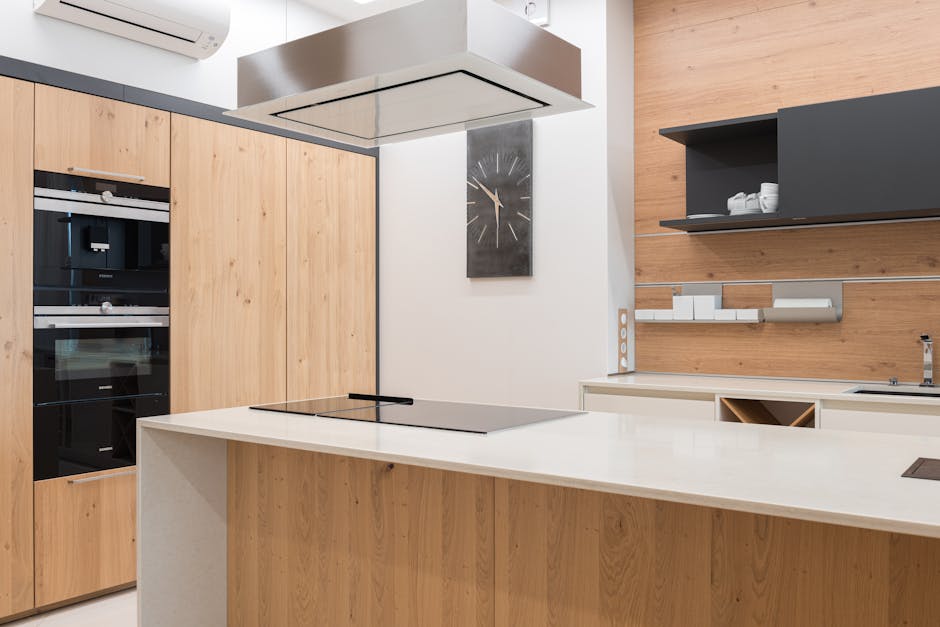
Are you curious about whether your sleek stainless steel pots will work on your new induction cooktop? You’re not alone.
As more people switch to energy-efficient cooking, the question of compatibility becomes crucial. Imagine effortlessly whipping up your favorite meals with the equipment you already have. But there’s a twist—stainless steel can be a bit tricky when it comes to induction.
In this post, you’ll discover the surprising truth about stainless steel and induction cooktops, so you can make informed decisions and enjoy a seamless cooking experience. Stick around, because what you’ll learn might just transform your kitchen routine!
How Induction Cooktops Work
Induction cooktops heat cookware using a unique technology. Unlike gas or electric stoves, induction uses magnetic energy. This method heats pots and pans directly, making cooking fast and efficient. Understanding how induction cooktops work helps explain which cookware fits best.
Principles Of Induction Heating
Induction heating uses electric currents to produce heat. An induction coil under the cooktop creates an alternating magnetic field. This field generates electric currents inside the cookware. These currents, called eddy currents, cause the cookware to heat up. The cooktop surface stays cool because it does not get heated directly.
Magnetic Field And Cookware Interaction
The magnetic field only works with certain types of cookware. Cookware must be made from magnetic materials like cast iron or some stainless steel. Non-magnetic materials like aluminum or glass do not heat on induction cooktops. The magnetic field creates heat by moving electrons inside the cookware’s metal. This interaction is why cookware choice is crucial for induction cooking.
Properties Of Stainless Steel
Stainless steel is a popular material for cookware due to its durability and resistance to rust. Its unique properties affect how it performs on different cooktops. Understanding these properties helps to know if stainless steel works on induction cooktops.
Composition And Magnetic Behavior
Stainless steel is an alloy made of iron, chromium, and sometimes nickel. Chromium gives it resistance to corrosion and rust. The magnetic behavior depends on the type of stainless steel. Some types are magnetic, and others are not.
Induction cooktops need magnetic materials to work. If stainless steel is magnetic, it heats well on induction. Non-magnetic stainless steel will not work on induction cooktops. Testing with a magnet can help identify this property.
Types Of Stainless Steel Used In Cookware
Cookware uses different stainless steel grades. The most common are 18/10, 18/8, and 18/0. The numbers show the percentage of chromium and nickel.
- 18/10 and 18/8 contain nickel, making them less magnetic.
- 18/0 has no nickel and is usually magnetic.
Magnetic types like 18/0 work better on induction cooktops. Many manufacturers add a magnetic base to non-magnetic stainless steel pans. This layer helps the pan heat on induction surfaces.
Compatibility Of Stainless Steel With Induction
Stainless steel is popular for cooking because it is strong and easy to clean. Not all stainless steel pans work on induction cooktops. Induction needs magnetic materials to create heat. Understanding compatibility helps you choose the right cookware for your induction stove.
Which Stainless Steel Cookware Works
Stainless steel pans must have a magnetic base to work on induction. You can test this by placing a magnet under the pan. If the magnet sticks well, the pan will work.
- Pans labeled “induction ready” usually have a magnetic layer.
- Cookware made from 18/0 stainless steel often works because it contains more iron.
- 18/8 or 18/10 stainless steel may not work as they have less magnetic material.
- Some pans combine stainless steel with a magnetic bottom plate for induction use.
Factors Affecting Performance
Several factors can change how well stainless steel works on induction cooktops.
- Thickness of the base: Thicker magnetic bases heat better and spread heat evenly.
- Flatness of the bottom: A flat surface improves contact with the cooktop for better heat transfer.
- Pan size: The base should match the size of the induction zone for efficient heating.
- Cooktop power: Higher power cooktops heat magnetic pans faster.
Cookware with a rough or warped base will perform poorly. Always check the pan’s base before buying for induction use.
Testing Stainless Steel For Induction Use
Testing whether your stainless steel cookware works on an induction cooktop is essential before making a purchase or trying it out. Not all stainless steel is magnetic, which is a key factor for induction compatibility. You can quickly find out if your pans will heat up efficiently by performing simple tests at home or checking reliable sources from the manufacturer.
Magnet Test Method
One of the easiest ways to check if stainless steel is induction-ready is by using a magnet. Grab a small magnet and hold it against the base of your cookware.
- If the magnet sticks firmly, your pan has a magnetic base and will work on an induction cooktop.
- If the magnet barely clings or doesn’t stick at all, the cookware probably won’t heat properly on induction.
I once tried this with a set of stainless steel pots I bought online. Some passed the magnet test, while others didn’t, even though they looked similar. This simple trick saved me from frustration and ensured I only used suitable pans on my induction stove.
Cookware Manufacturer Labels
Another reliable way to confirm if stainless steel pans are induction compatible is by checking the labels or packaging from the manufacturer.
- Look for symbols that indicate induction compatibility, often a coil or the word “induction.”
- Product descriptions online usually mention if the cookware supports induction cooking.
If you’re unsure, visit the manufacturer’s website. They often provide detailed information about the materials and induction suitability. Have you noticed how many brands now make it clear upfront? This saves time and helps you avoid buying the wrong cookware.
Advantages Of Stainless Steel On Induction
Stainless steel cookware offers several benefits on induction cooktops. It works well with the magnetic field, making cooking efficient and reliable. The material combines strength and style, fitting many kitchen needs.
Durability And Heat Distribution
Stainless steel is tough and resists rust or corrosion. It holds up well against scratches and dents. The material heats evenly, reducing hot spots that burn food. This consistency helps cook meals perfectly every time. It also supports heavy use without losing shape or function.
Ease Of Maintenance
Cleaning stainless steel is simple and quick. It does not stain easily and handles frequent washing well. Most stains come off with mild soap and water. It does not absorb odors or flavors from food. This keeps the cookware fresh and ready for any dish.

Credit: www.yahoo.com
Limitations And Common Issues
Stainless steel is a popular choice for induction cooktops, but it’s not without its drawbacks. Understanding the limitations and common issues can help you avoid frustration and make smarter cookware choices. Let’s look at some challenges you might face with stainless steel on induction surfaces.
Cookware Warping And Hot Spots
Warping happens when stainless steel pans heat unevenly or too quickly. This can cause the base to lose its flatness, which is a problem for induction cooktops that require direct contact.
Hot spots are areas where the pan gets much hotter than others. They can lead to uneven cooking and even burn your food. If your pan warps, it may also create gaps that cause these hot spots.
Have you ever noticed your food cooking unevenly despite stirring? Warping and hot spots might be the reason. Using thicker, heavier stainless steel pans can reduce these issues and improve cooking performance.
Non-compatible Stainless Steel Types
Not all stainless steel works with induction cooktops. Only magnetic grades like 18/0 stainless steel respond to induction heat. If your pan is made from 18/10 stainless steel, it might not work properly because it contains more nickel, which is non-magnetic.
You can test compatibility by holding a magnet to the bottom of your pan. If it sticks well, the pan will likely work on induction. If it barely sticks or falls off, your cookware won’t heat efficiently or at all.
Choosing the right stainless steel cookware means checking the composition before buying. Don’t assume all stainless steel pans are induction-ready; a simple magnet test can save you time and money.
Alternative Cookware Options For Induction
Induction cooktops need cookware that can attract magnets. Not all pots and pans work well with induction. Some materials do not heat up on these stoves. Here are some good alternatives that work perfectly on induction cooktops.
Cast Iron And Enameled Cookware
Cast iron is a top choice for induction cooking. It heats evenly and holds heat for a long time. Cast iron pans are heavy but very durable. They work well for frying, searing, and slow cooking.
Enameled cookware has a cast iron core with a smooth outer layer. This layer prevents rust and is easier to clean. Enameled pots and pans combine the benefits of cast iron with a stylish look. They are safe for induction and offer good heat control.
Magnetic Stainless Steel Alternatives
Not all stainless steel works on induction. Only those with magnetic properties are compatible. You can test this by holding a magnet to the pan’s bottom. If it sticks, the pan will work on induction.
Look for stainless steel cookware labeled “induction ready” or “magnetic base.” These pans usually have a layer of magnetic metal at the bottom. They heat quickly and evenly on induction cooktops. They are lighter than cast iron and easier to handle.
Tips For Choosing Stainless Steel Cookware
Choosing the right stainless steel cookware for your induction cooktop can make a huge difference in your cooking experience. Not all stainless steel pans work equally well with induction, so knowing what to look for helps you avoid wasted money and frustration. Let’s break down key tips to help you pick the best cookware that heats evenly, lasts long, and suits your cooking style.
Identifying Induction-ready Products
Not every stainless steel pan is made for induction cooktops. You need cookware with magnetic properties to work efficiently on induction surfaces.
- Look for labels that say “induction compatible” or “induction ready.”
- Test with a magnet—if it sticks firmly to the pan’s bottom, it will work on your cooktop.
- Some brands include a layer of magnetic stainless steel or iron in the base to improve induction performance.
Think about how often you’ve tried using a pan that just wouldn’t heat properly. That’s usually because the cookware lacks the right magnetic base. Choosing induction-ready products saves you from this hassle.
Size And Thickness Considerations
The size and thickness of your stainless steel cookware affect how evenly and quickly it heats on an induction cooktop.
- Choose a pan size that matches your burner size to avoid wasted energy and uneven heating.
- Look for cookware with a thick, multi-ply base—this spreads heat evenly and prevents hot spots.
- Thin pans might heat quickly but can warp or cause uneven cooking over time.
Have you noticed warping or unevenly cooked food from your current pans? That’s often due to base thickness and size mismatch. Selecting cookware with appropriate thickness and matching burner size improves cooking results and extends your pan’s life.
Maintaining Stainless Steel Cookware On Induction
Maintaining stainless steel cookware on induction cooktops requires some attention to detail. Proper care not only keeps your pots and pans looking great but also ensures they work efficiently with your induction surface. Let’s look at how you can clean and protect both your cookware and cooktop for long-lasting performance.
Cleaning Techniques
Start by washing your stainless steel cookware with warm water and mild dish soap. Use a soft sponge or cloth to avoid scratching the surface. Avoid steel wool or abrasive pads, as they can damage the finish.
For stubborn stains or burnt food, soak the cookware in warm soapy water before scrubbing gently. You can also use a paste made from baking soda and water to lift tough spots without harsh chemicals. Rinse thoroughly and dry immediately to prevent water spots.
If your cookware develops a rainbow discoloration, a quick rub with white vinegar can restore its shine. Have you tried using lemon juice for this? It works wonders and leaves a fresh scent.
Avoiding Damage On Induction Surfaces
Induction cooktops have smooth glass surfaces that can scratch easily. Always lift your stainless steel cookware instead of sliding it across the cooktop. This simple habit can save you from unsightly scratches.
Check that the bottom of your cookware is clean and free from debris before placing it on the cooktop. Tiny bits of food or grit can cause abrasions over time. Also, avoid using cookware with warped or uneven bottoms, as they can damage the induction surface and affect cooking efficiency.
Have you noticed how some pans leave marks on your cooktop? Using a soft cloth with a cooktop cleaner designed for induction surfaces helps maintain that sleek look. Regular maintenance keeps both your cookware and cooktop working in perfect harmony.
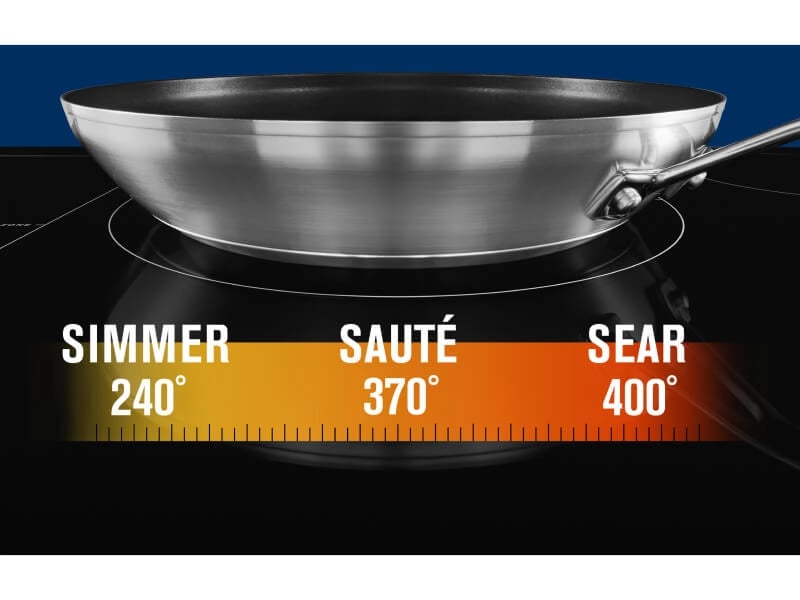
Credit: www.maytag.com
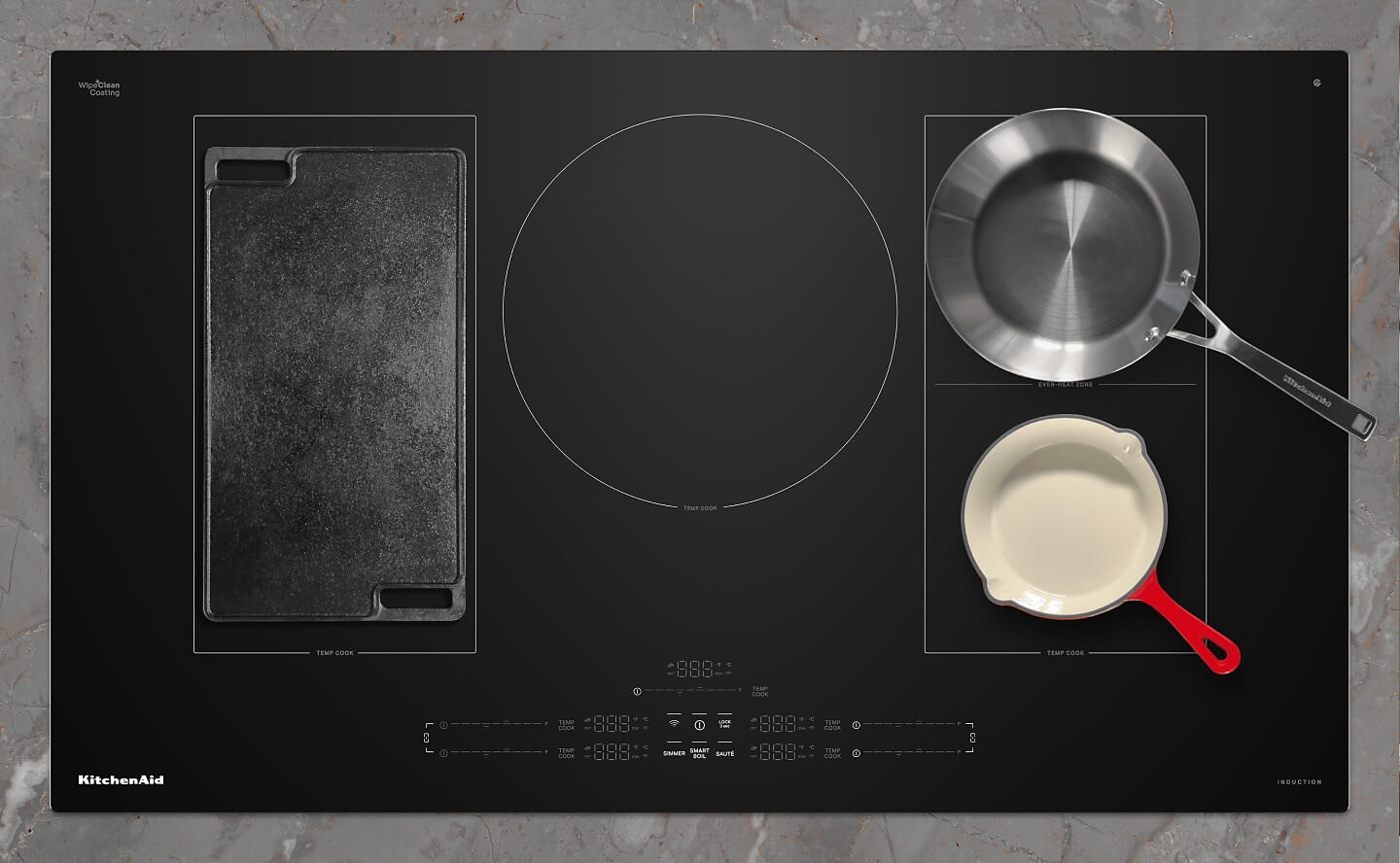
Credit: www.kitchenaid.com
Frequently Asked Questions
Does Stainless Steel Work On All Induction Cooktops?
Stainless steel works on most induction cooktops if it contains magnetic properties. Not all stainless steel is compatible. Check for a magnetic base to ensure it works efficiently.
How To Test If Stainless Steel Is Induction Compatible?
Use a magnet to test induction compatibility. If the magnet sticks firmly to the cookware’s base, it will work on an induction cooktop.
Can Stainless Steel Cookware Damage Induction Cooktops?
No, stainless steel cookware does not damage induction cooktops. Induction cooktops use magnetic fields and heat only the cookware, keeping the surface safe.
Why Does Some Stainless Steel Not Work On Induction Cooktops?
Some stainless steel lacks magnetic metals like iron. Without magnetism, induction cooktops cannot generate heat, making those pans incompatible.
Conclusion
Stainless steel can work well on induction cooktops if it is magnetic. Not all stainless steel pans are compatible. You can test with a magnet to be sure. Cookware that sticks to the magnet will heat up quickly. This helps you cook food evenly and save energy.
Choosing the right pan makes cooking easier and safer. Keep this in mind when buying stainless steel pots or pans. This way, your induction cooktop will work perfectly every time.