
When you first open a jar of sunflower butter, you might wonder if it needs to be refrigerated. After all, you want to keep it fresh and delicious for as long as possible.
You might be asking yourself if storing it in the fridge is necessary, or if it can safely stay on your pantry shelf. The answer isn’t as straightforward as you might think, and it can depend on a few important factors.
We’ll dive into the world of sunflower butter storage, exploring what you need to know to keep it at its best. Whether you’re a sunflower butter newbie or a seasoned fan, understanding the right way to store it can make all the difference. So, before you make your next snack, let’s find out if your sunflower butter belongs in the fridge or if it can happily stay in the cupboard. Keep reading to discover the surprising truth that might just change how you store your favorite spread.
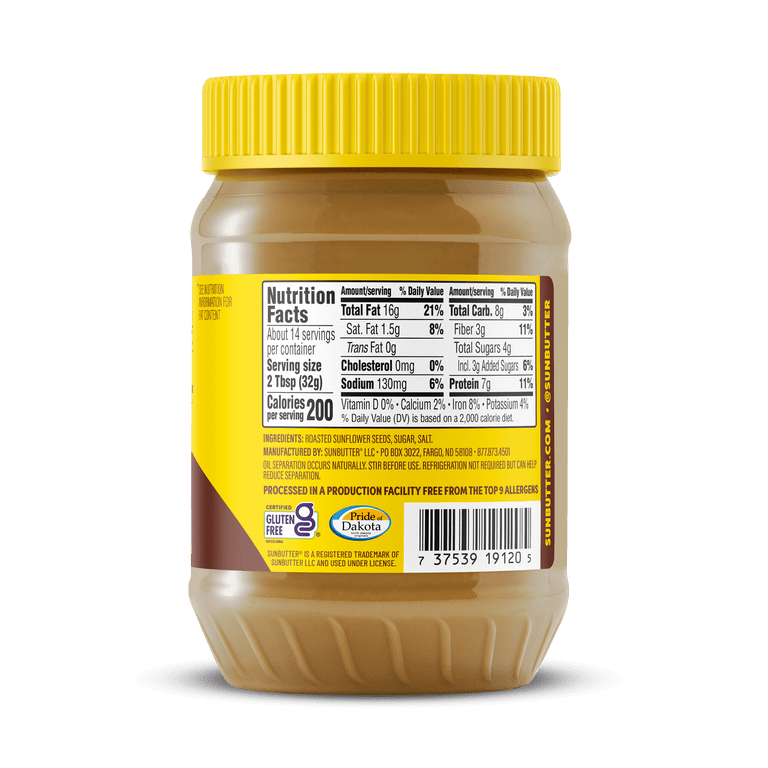
Credit: www.walmart.com
Shelf Life Of Sunflower Butter
Sunflower butter is a popular alternative to peanut butter. Knowing its shelf life helps keep it fresh and tasty. Proper storage plays a big role in how long it lasts. Understanding unopened and opened durations helps avoid spoilage.
Unopened Jar Duration
An unopened jar of sunflower butter can last quite long. Usually, it stays fresh for 6 to 12 months. Store it in a cool, dry place away from sunlight. Avoid heat to prevent oils from going bad. The best-by date on the jar gives a good guideline.
After Opening Timeline
Once opened, sunflower butter needs more care. It lasts about 1 to 3 months at room temperature. Storing it in the fridge can extend its freshness up to 6 months. Always use a clean spoon to avoid contamination. Keep the lid tightly closed to block air and moisture.
Factors Affecting Storage
Storing sunflower butter properly depends on several factors that influence its freshness and safety. Understanding these factors can help you decide whether refrigeration is necessary. Let’s look at the key elements affecting how you should store this tasty spread.
Ingredients And Preservatives
The makeup of sunflower butter plays a big role in its shelf life. If your sunflower butter contains added preservatives, it is more likely to stay fresh longer without refrigeration. On the other hand, natural or organic versions without preservatives tend to spoil faster.
Some brands add salt, sugar, or oils that can either protect or speed up spoilage depending on the type and amount. Have you checked the label on your jar to see what’s inside? Knowing the ingredients can guide you on whether to keep it in the fridge.
Packaging Type
The way sunflower butter is packaged also impacts how long it stays good. Airtight containers help prevent exposure to air, which can cause the oils to go rancid. Glass jars with tight lids usually offer better protection than plastic tubs.
Vacuum-sealed packaging or single-serve packets can extend shelf life by limiting contact with bacteria and moisture. If you’ve ever noticed a change in smell or texture after opening a container, packaging might be the reason. How you store the jar after opening matters just as much as the packaging itself.
Refrigeration Benefits
Refrigerating sunflower butter offers several benefits that help maintain its quality. Cooler temperatures slow down natural changes that affect texture and taste. Keeping sunflower butter in the fridge helps it stay fresh longer and keeps its texture just right.
Extending Freshness
Storing sunflower butter in the refrigerator keeps it fresh for a longer time. The cold environment slows down the growth of bacteria and mold. This means the butter won’t spoil quickly. It also preserves the natural flavor and prevents it from turning rancid.
Preventing Oil Separation
Sunflower butter tends to separate over time, with oil rising to the top. Refrigeration slows down this process. Cooler temperatures keep the oils mixed with the solid parts longer. This helps maintain a smooth and creamy texture, making it easier to spread.

Credit: shop.thefreshmarket.com
Room Temperature Storage
Storing sunflower butter at room temperature is common in many kitchens. It remains soft and easy to spread without refrigeration. But proper storage is key to keeping it fresh and safe to eat. Understanding ideal conditions and spoilage risks helps maintain quality over time.
Ideal Conditions
- Store in a cool, dark place away from sunlight.
- Keep the jar tightly sealed to avoid air exposure.
- Maintain a consistent temperature between 65°F and 75°F (18°C to 24°C).
- Avoid storing near heat sources like stoves or ovens.
- Use a clean spoon to prevent contamination.
Risks Of Spoilage
Sunflower butter can spoil if left in warm or humid places. Oil separation and rancid smell are common signs. Mold growth may appear if moisture enters the jar. These issues affect taste and safety. Discard the butter if it smells sour or looks unusual.
Signs Of Spoiled Sunflower Butter
Sunflower butter can spoil over time, especially if not stored well. Knowing the signs helps avoid eating bad sunflower butter. Spoiled sunflower butter has clear changes you can notice. These changes affect its look, smell, and taste. Spotting these signs early keeps you safe and prevents waste.
Appearance Changes
Spoiled sunflower butter often shows visible changes. The color may turn darker or uneven. You might see mold spots or white patches on the surface. The texture can become dry, grainy, or separate into layers. Oil might pool on top more than usual. Any unusual change in look means it is best to discard it.
Smell And Taste
Fresh sunflower butter has a mild, nutty aroma. Spoiled butter smells sour, rancid, or bitter. The change in smell is usually strong and unpleasant. Taste also shifts from sweet and nutty to sour or bitter. Even a small sour taste means the butter is no longer safe to eat. Trust your senses to detect bad sunflower butter.
Storage Tips For Best Quality
Proper storage helps keep sunflower butter fresh and tasty. It also stops it from going bad quickly. Following simple tips can extend its shelf life and keep its flavor intact.
Sealing And Container Use
Always store sunflower butter in an airtight container. This keeps air and moisture out. Glass jars or plastic containers with tight lids work best. Avoid leaving the jar open for long periods. Use a clean spoon to scoop it out. This prevents exposure to bacteria and air.
Avoiding Contamination
Keep sunflower butter free from dirt and crumbs. Do not dip fingers or used utensils into the jar. Use a clean, dry spoon each time. Store the jar away from heat and sunlight. Warmth can cause oil separation and spoilage. Store in a cool, dark place or refrigerator for longer freshness.

Credit: shop.thefreshmarket.com
Frequently Asked Questions
Does Sunflower Butter Need Refrigeration After Opening?
Yes, sunflower butter should be refrigerated after opening. This helps maintain freshness and prevents oil separation. Keeping it cool also reduces the risk of spoilage and extends shelf life.
Can Sunflower Butter Be Stored At Room Temperature?
Unopened sunflower butter can be stored at room temperature. Once opened, refrigeration is recommended to preserve flavor and texture. Warm temperatures may cause oil separation and spoilage.
How Long Does Sunflower Butter Last Refrigerated?
Refrigerated sunflower butter typically lasts 3 to 6 months. Properly sealing the jar helps maintain quality. Always check for changes in smell or texture before use.
Will Refrigeration Change Sunflower Butter’s Texture?
Refrigeration may thicken sunflower butter slightly. It can become less spreadable but will retain its flavor. Let it sit at room temperature briefly before use for easier spreading.
Conclusion
Sunflower butter lasts longer when kept in the fridge. It stays fresh and tastes better that way. Leaving it out can make it spoil faster. Always check the label for storage tips. If you want to keep it safe, refrigeration is best.
This way, you enjoy sunflower butter without worry. Simple care keeps your spread yummy and fresh.