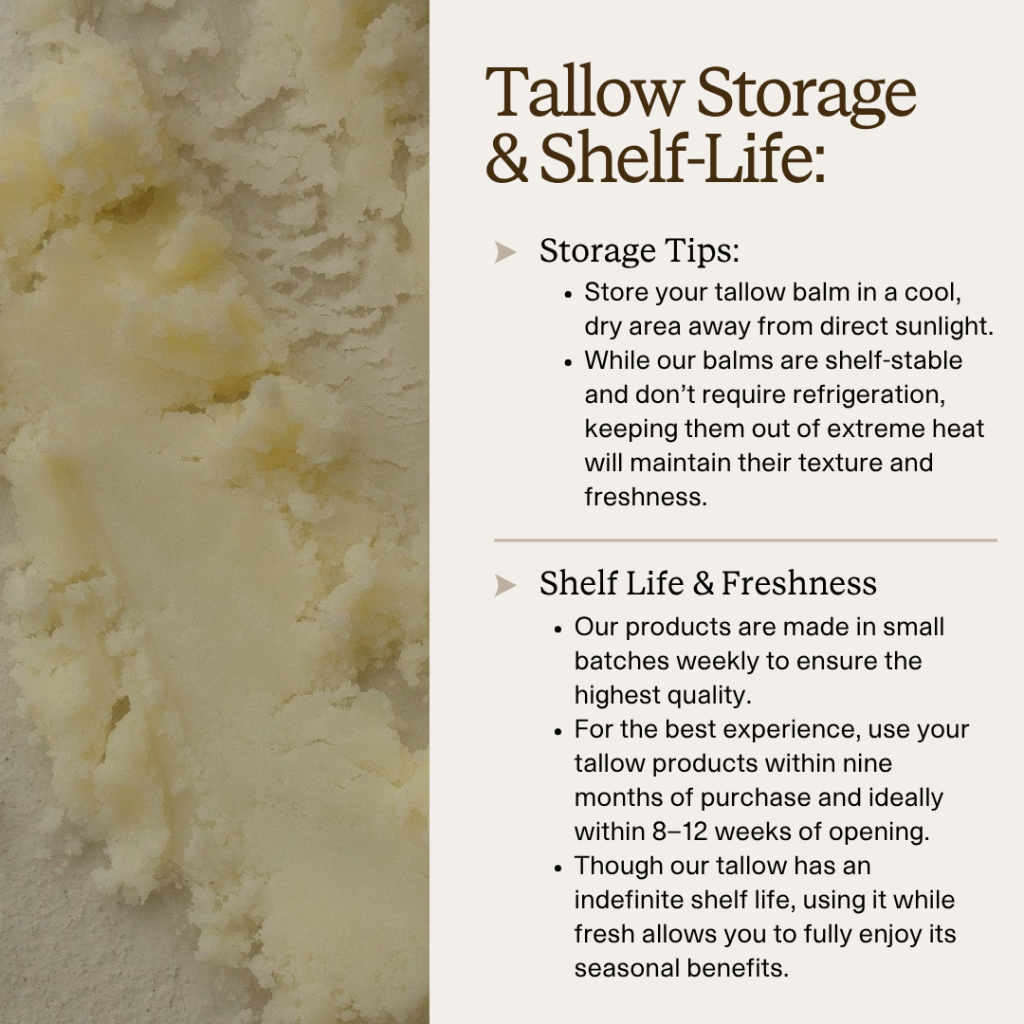
Have you ever wondered if tallow needs to be tucked away in your refrigerator or if it can safely sit on your pantry shelf? You’re not alone.
Many people are curious about the proper storage of this age-old cooking fat. Whether you’re an avid home cook, a fan of traditional recipes, or someone exploring healthier cooking fats, understanding how to store tallow correctly can make a big difference in its quality and flavor.
Imagine the peace of mind knowing that your tallow is stored perfectly, maintaining its rich taste and nutritional benefits. Stick with us, and you’ll discover all the essential tips for storing tallow, ensuring it stays fresh and ready to elevate your next culinary creation.
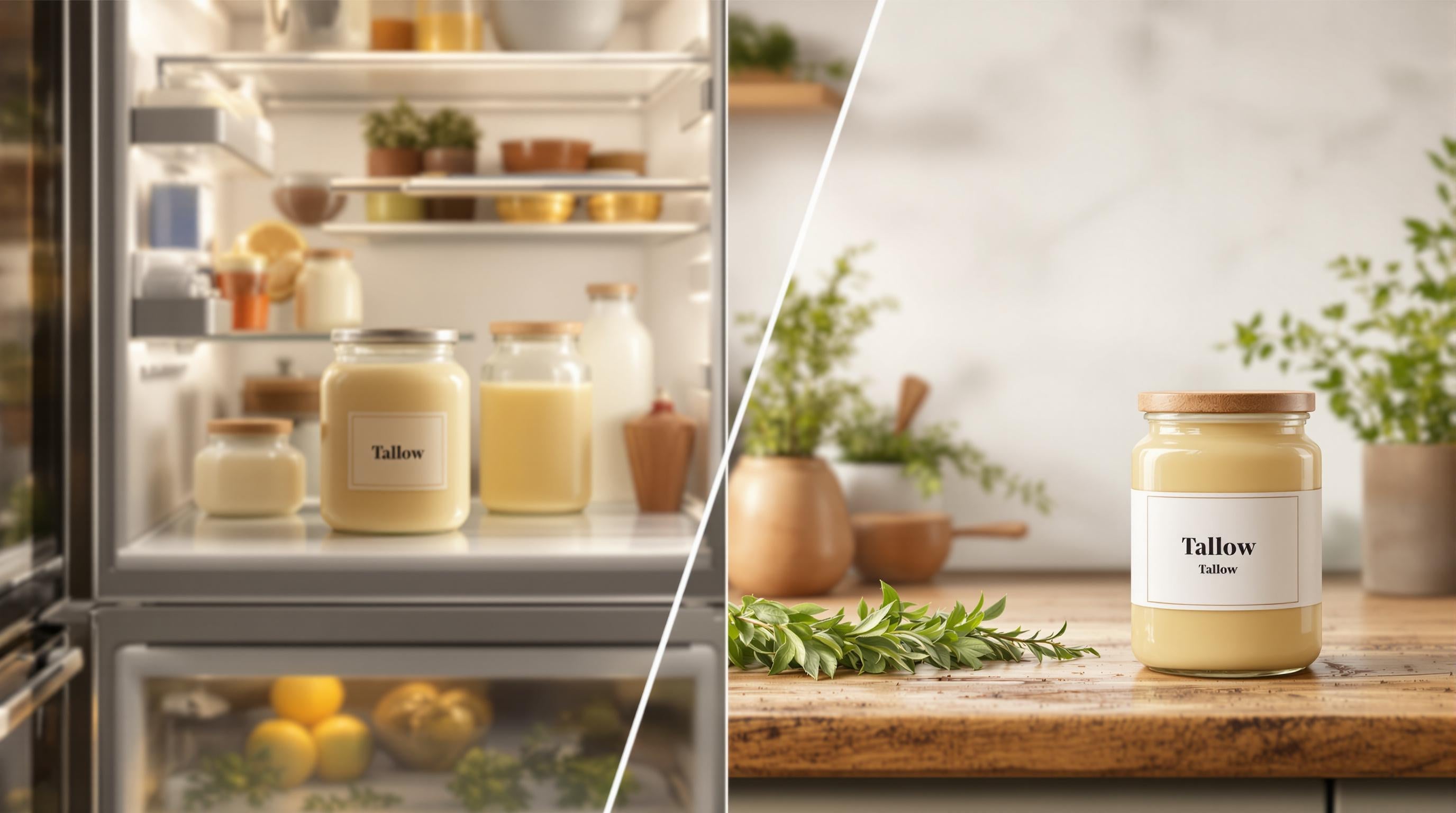
Credit: houseoftallow.com
What Is Tallow
Tallow is a type of rendered fat. It comes from the fatty parts of animals like cows and sheep. People have used it for centuries for cooking, making candles, and skincare.
Tallow has a solid texture at room temperature. It melts when heated and has a mild flavor. Its high smoke point makes it good for frying and roasting.
How Is Tallow Made?
Tallow is made by slowly cooking animal fat. The heat melts the fat and separates it from the meat and water. Then, the melted fat is strained and cooled. It turns into a firm, creamy substance called tallow.
Types Of Tallow
- Beef tallow – from cow fat, most common type
- Sheep tallow – from sheep fat, lighter in color
- Other animal tallows – less common but similar in use
Common Uses Of Tallow
- Cooking and frying
- Soap and candle making
- Skin moisturizers and balms
- Leather conditioners
Shelf Life Of Tallow
Tallow is a versatile fat that many people use for cooking, skincare, and even candle making. Knowing how long it lasts is key to making the most of your supply. The shelf life of tallow depends on how you store it and the conditions around it.
Shelf Life At Room Temperature
Pure, rendered tallow can last quite a while without refrigeration—typically up to 6 months if kept in a cool, dark place. However, exposure to heat, light, and air can cause it to spoil faster. Have you noticed how your kitchen’s warmth affects other fats? Tallow behaves similarly.
Refrigerated Shelf Life
Storing tallow in the fridge extends its freshness significantly, often up to a year or more. The cool environment slows down oxidation and bacterial growth. If you want to keep tallow for a long time, refrigeration is a simple and effective option.
Signs Tallow Has Gone Bad
How can you tell if your tallow is no longer good? Look for changes in color, smell, or texture. Rancid tallow may develop an off or sour odor, and the surface might become sticky or grainy. Trust your senses—if it smells or looks odd, it’s safer to discard it.
Best Practices For Extending Shelf Life
- Store tallow in an airtight container to limit exposure to oxygen.
- Keep it away from direct sunlight and heat sources.
- Use clean utensils every time to avoid introducing contaminants.
These small steps can make a big difference in preserving your tallow’s quality.
Room Temperature Storage
Storing tallow at room temperature is often a convenient choice, but it requires some attention to detail. Tallow is a rendered form of beef or mutton fat, and its stability depends on how you store it. You want to avoid spoilage and maintain quality without relying on refrigeration.
Ideal Containers For Storage
Choosing the right container can make a big difference in how long your tallow lasts at room temperature. Glass jars with airtight lids work best because they prevent air and moisture from entering. Metal tins with tight seals also work well, but avoid plastic containers that may absorb odors or let in air.
Make sure the container is completely dry before adding tallow. Even a small amount of water can cause tallow to spoil faster. If you’ve ever noticed a rancid smell from stored fats, improper containers might be the culprit.
Temperature And Light Effects
Room temperature isn’t just about the number on the thermometer; it’s about consistent conditions. Tallow stays solid and stable best between 50°F and 70°F (10°C to 21°C). Higher temperatures can cause it to soften or melt, increasing the chance of oxidation.
Light exposure speeds up the breakdown of fats, so keep your tallow container in a dark cabinet or pantry. If you’ve ever seen tallow turn yellowish or develop a strange smell, light and heat could be the cause.
Ask yourself: Is your kitchen environment ideal for keeping tallow fresh on the counter? Small changes like using dark containers or moving jars away from sunny spots can extend its shelf life noticeably.
Refrigeration Benefits
Refrigerating tallow offers several benefits that can make a noticeable difference in its quality and usability. While some people store tallow at room temperature, keeping it cool helps preserve its natural properties for longer periods. Let’s dive into how refrigeration specifically helps your tallow stay fresh and usable.
Extending Freshness
Cold temperatures slow down the natural breakdown of fats. This means your tallow stays fresh much longer when refrigerated. I once kept a jar of tallow in my pantry, and it started smelling off within a month. When I switched to refrigeration, the same tallow stayed perfect for over six months.
Refrigeration also reduces exposure to heat and light, two common factors that speed up spoilage. Keeping your tallow in a sealed container inside the fridge ensures it maintains its original texture and scent. Have you noticed how oils stored in warm places go sticky or develop odd smells? That’s what refrigeration helps you avoid.
Preventing Rancidity
Rancidity happens when fats oxidize and produce unpleasant flavors and odors. This process accelerates at room temperature. Refrigerating tallow slows down oxidation, preventing it from going rancid too quickly.
If you’ve ever used rancid fat, you know how it ruins your recipes and skin care products. I’ve found that refrigerated tallow keeps its clean, mild scent and smooth texture, making it perfect for cooking or skincare. You can also freeze tallow for even longer storage without worrying about rancidity.
Would you rather toss out spoiled tallow or keep it fresh for months? Refrigeration gives you that control, making it a smart choice for anyone who uses tallow regularly.
Freezing Tallow
Freezing tallow is a great option to extend its shelf life. It keeps the tallow fresh and prevents spoilage. Proper freezing helps maintain its texture and flavor over time. Understanding how to freeze and thaw tallow correctly is important for best results.
Best Practices For Freezing
- Use airtight containers or heavy-duty freezer bags.
- Portion the tallow before freezing for easy use.
- Label containers with the date of freezing.
- Keep the freezer temperature steady, ideally below 0°F (-18°C).
- Avoid freezing and thawing repeatedly to preserve quality.
Thawing Tips
- Thaw tallow slowly in the refrigerator for several hours.
- Avoid using heat or microwave to prevent texture changes.
- Once thawed, use tallow within a few days.
- Stir gently after thawing to restore smoothness.
- Do not refreeze thawed tallow to maintain freshness.

Credit: ranchersrender.com
Signs Of Spoiled Tallow
Knowing the signs of spoiled tallow is key to using it safely. Tallow can last a long time, but it does not stay fresh forever. Spoiled tallow may cause health issues and ruin the flavor of your recipes. Recognizing its changes helps avoid waste and keeps your food safe.
Visual Changes
Fresh tallow is creamy white or pale yellow. Spoiled tallow may turn darker or develop spots. Watch for these signs:
- Gray or brown patches on the surface
- Cloudy or uneven color
- Visible mold or fuzz
- Separation of oil and solids
Any unusual color or texture means the tallow might be bad.
Smell And Texture
Good tallow has a mild, neutral smell. Spoiled tallow often smells sour or rancid. The texture also changes:
- Sticky or slimy feeling
- Hard or crumbly instead of smooth
- Unpleasant or sharp odor
Trust your nose and touch. If it smells off or feels strange, discard it.
Tips For Long-term Storage
Storing tallow properly can extend its shelf life and keep it fresh for months or even years. Knowing the right techniques helps you avoid spoilage and maintain quality. Let’s look at some practical tips to help you store tallow safely and effectively.
Avoiding Contamination
Contamination is one of the biggest risks to tallow’s longevity. Always use clean utensils when handling your tallow to prevent introducing bacteria or dirt.
Keep your hands dry and avoid dipping fingers directly into the container. This simple habit can save you from unwanted mold or rancidity.
Think about your kitchen environment: is it dusty or humid? Store tallow away from open flames, food splatters, and strong odors to keep it pure.
Proper Sealing Methods
Sealing tallow tightly is key to preventing exposure to air and moisture. Use airtight containers like glass jars with screw-on lids or vacuum-sealed bags.
If you use plastic containers, make sure they are BPA-free and fit snugly to avoid leaks. Label your containers with the date you rendered or purchased the tallow for easy tracking.
Have you ever noticed how a small crack in a lid can ruin a whole batch? Double-check seals regularly and replace containers if they become damaged to preserve freshness.
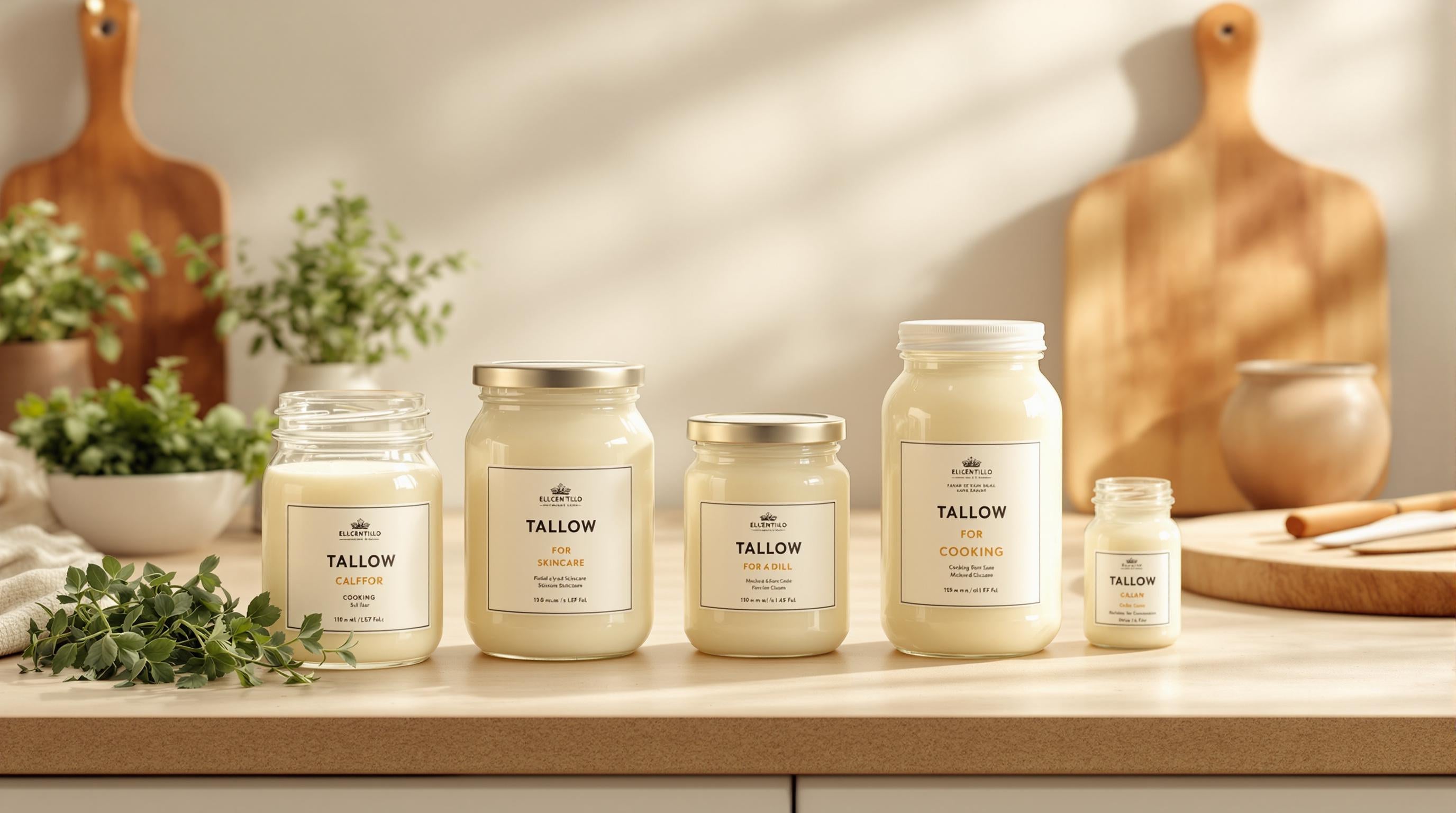
Credit: houseoftallow.com
Frequently Asked Questions
Does Tallow Need Refrigeration After Opening?
Tallow does not require refrigeration after opening if stored properly. Keep it in a cool, dark place in an airtight container. Refrigeration can extend shelf life but is not mandatory.
How Long Does Tallow Last Without Refrigeration?
Tallow can last up to six months without refrigeration when stored correctly. Keep it away from heat and sunlight to prevent spoilage and maintain quality.
Can Unrefrigerated Tallow Go Bad Quickly?
Unrefrigerated tallow can spoil faster if exposed to heat, light, or air. Proper storage in a sealed container slows oxidation and rancidity, preserving freshness.
Is Refrigerated Tallow Better For Skincare Use?
Refrigerated tallow stays fresher longer, making it ideal for skincare. Cooler temperatures prevent bacterial growth and maintain its beneficial nutrients and texture.
Conclusion
Tallow lasts long without refrigeration if stored properly. Keep it in a cool, dark place in an airtight container. Refrigeration can extend its shelf life but is not always necessary. Watch for changes in smell or color to spot spoilage.
Use tallow within a few months for best quality. Simple care keeps tallow fresh and safe to use. Store it right, and enjoy its benefits easily.