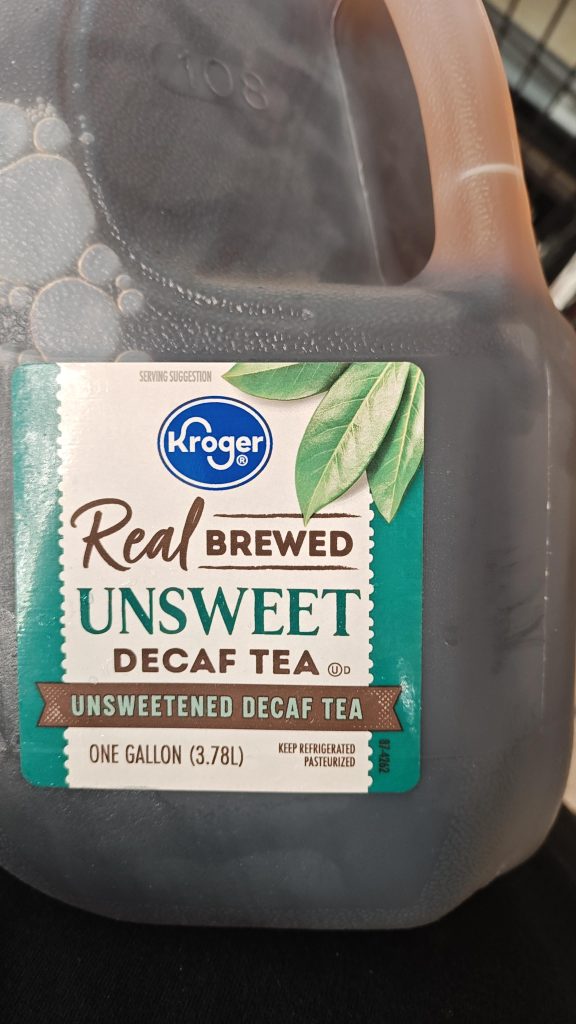
Have you ever found yourself wondering if your beloved cup of tea needs a spot in the fridge? You’re not alone.
Many tea enthusiasts, like yourself, grapple with the question of whether refrigerating tea is necessary or not. Perhaps you’re concerned about keeping your tea fresh, or maybe you’re just curious about the best way to store it. Whatever your reason, understanding the ins and outs of tea storage can enhance your tea-drinking experience and ensure you’re savoring every sip at its best.
Dive into this article to uncover the truth about tea storage and discover tips that might just transform the way you enjoy your next cup.
Tea Storage Basics
Proper tea storage can make a huge difference in how your tea tastes every time you brew it. You might think that just keeping tea in any container is enough, but small details in how you store it actually protect its flavor and freshness. Understanding the basics of tea storage helps you avoid common mistakes that can ruin even the best tea leaves.
Ideal Temperature For Tea
Tea is sensitive to temperature changes. Storing it at a cool, stable temperature is key to keeping its aroma and taste intact.
Room temperature, around 20°C (68°F), usually works well. Extreme heat can cause the oils in tea leaves to evaporate, making your tea lose flavor faster.
Have you ever noticed how tea kept near a stove or heater tastes flat? That’s because heat speeds up the degradation process. Avoid those spots in your kitchen for tea storage.
Impact Of Humidity And Light
Humidity is one of the biggest enemies of tea. Moisture causes tea leaves to become stale and can even lead to mold.
Keep your tea in an airtight container to block out moisture. This simple step can extend the life of your tea for weeks or even months.
Light also affects tea quality. Direct sunlight breaks down tea’s delicate compounds, dulling its flavor.
Opaque containers or dark cabinets are your best bet. Ask yourself: Is your tea container clear glass sitting on a sunny windowsill? If yes, it’s time to rethink where you keep your tea.
When To Refrigerate Tea
Knowing when to refrigerate tea helps keep its taste fresh and safe. Some teas last longer at room temperature, while others spoil quickly. Temperature affects flavor and quality. Understanding the right time to cool your tea prevents waste and preserves its aroma. This guide explains when refrigeration is needed for different tea types and signs to watch for.
Types Of Tea That Benefit From Refrigeration
- Green Tea:Fresh green tea tastes better when chilled. It keeps its delicate flavors and prevents bitterness.
- Black Tea:Strong black tea can be refrigerated, especially if brewed in large batches. It stays fresh longer.
- Herbal Tea:Herbal blends with fresh ingredients need cooling to avoid spoilage and maintain aroma.
- Fruit-Infused Tea:These teas have fresh fruit or juice. Refrigeration stops fermentation and keeps the drink safe.
- Cold Brew Tea:Cold brewing tea requires chilling throughout to develop smooth flavors and avoid bacteria growth.
Signs Your Tea Needs Cooling
- Unpleasant Smell:A sour or off smell means bacteria might be growing. Time to refrigerate or discard.
- Change in Color:Darkening or cloudiness signals the tea is spoiling without cooling.
- Off Taste:Bitter or sour flavors show the tea is no longer fresh.
- Time Since Brewing:Tea left out for more than 6 hours should be refrigerated or tossed to prevent spoilage.
- Warm Weather:High temperatures speed up spoilage. Refrigerate tea during hot days.
Storing Brewed Tea
Brewed tea is a refreshing drink enjoyed by many. Storing it properly keeps its flavor and safety. Understanding the best ways to store brewed tea helps avoid waste and maintain taste. Proper storage also prevents bacteria growth and spoilage. Let’s explore how to store brewed tea effectively.
Shelf Life Of Brewed Tea
Brewed tea lasts about 6 to 8 hours at room temperature. After this, it can develop a bitter taste and harmful bacteria may grow. In the fridge, brewed tea stays fresh for 3 to 5 days. Darker teas like black tea may last longer than green or white teas. Avoid drinking tea that smells off or looks cloudy.
Best Practices For Refrigeration
- Use a clean, airtight container to store brewed tea.
- Cool the tea to room temperature before refrigerating.
- Label the container with the date of brewing.
- Keep the tea away from strong-smelling foods in the fridge.
- Shake or stir the tea before drinking to mix any settled flavors.

Credit: www.reddit.com
Avoiding Common Storage Mistakes
Storing tea properly keeps its taste fresh and aroma strong. Many people make simple mistakes that spoil their tea. Avoiding these errors helps maintain tea quality for a long time. Proper storage protects tea from air, light, and moisture. These factors can quickly damage tea leaves and brewed tea. Follow easy tips to keep your tea flavorful and fresh.
Effects Of Improper Storage
Tea absorbs smells and moisture easily. Poor storage causes tea to lose its natural flavor. Exposure to air makes tea dry and stale. Light breaks down tea’s delicate compounds. Heat speeds up the aging process of tea leaves. Moisture causes mold and ruins tea completely. Old tea tastes bitter or flat. Storing tea in the wrong place wastes money and effort.
How To Prevent Flavor Loss
Keep tea in airtight containers to block air. Use dark containers to protect from light. Store tea in a cool, dry place away from heat. Avoid storing tea near strong smells like spices or cleaners. Only refrigerate tea if it is brewed and will be kept for more than a day. Use clean containers to stop contamination. Buy tea in small amounts to keep it fresh.
Alternative Storage Methods
Storing tea properly is key to keeping its flavor fresh and vibrant. While refrigeration might seem like the obvious choice, there are other effective ways to preserve your tea leaves or brewed tea. These alternative storage methods can be just as efficient, depending on the type of tea you have and how soon you plan to use it.
Using Airtight Containers
Airtight containers are your best friend for storing tea leaves. They keep air, moisture, and odors out, which helps maintain the tea’s aroma and taste. I once switched to glass airtight jars for my green tea, and I noticed the flavor stayed fresh much longer than when stored in simple plastic bags.
Choose containers made of non-reactive materials like glass or stainless steel. Avoid clear containers if possible, as light can degrade the quality of your tea over time. Keep these containers in a cool, dark place, away from heat sources and direct sunlight.
Freezing Tea Leaves
Freezing tea leaves might sound unusual, but it works well for preserving delicate teas like white or green tea. Freezing slows down the oxidation process and keeps the leaves fresh for months. However, you need to freeze tea properly to avoid moisture damage.
Seal your tea tightly in an airtight bag or container before freezing. When you want to use the tea, let it return to room temperature before opening the container to prevent condensation from spoiling the leaves. Have you ever tried freezing your tea? It might just extend your tea’s shelf life in a way you didn’t expect.

Credit: teasquirrel.com
Credit: cupsnchai.com
Frequently Asked Questions
Does Brewed Tea Require Refrigeration?
Yes, brewed tea should be refrigerated within two hours. This prevents bacterial growth and keeps it fresh for up to 3-5 days.
Can Unrefrigerated Tea Spoil Quickly?
Yes, tea left at room temperature can spoil within hours. Refrigeration slows spoilage and maintains flavor and safety.
Is Refrigeration Necessary For Iced Tea?
Yes, iced tea must be refrigerated to prevent bacteria and preserve taste. Always store in a sealed container.
How Long Can Tea Stay Refrigerated?
Properly refrigerated tea lasts about 3-5 days. Beyond this, flavor and safety may decline.
Conclusion
Tea stays fresh longer when kept in the fridge. Cold storage slows down bacteria and spoilage. Fresh tea tastes better and feels safer to drink. Room temperature works only for a short time. Always cover tea before refrigerating to keep flavors.
Drink refrigerated tea within a few days for best taste. This simple step helps you enjoy tea safely and fresh. Keep your tea cool and enjoy every sip.