Have you ever wondered if the air conditioner in your car uses gas? It’s a question many drivers ask but don’t always get a clear answer to.
Knowing how your car’s AC works can save you money and help you take better care of your vehicle. You’ll discover the simple truth behind your car’s cooling system and learn what really powers that refreshing breeze on a hot day.
Keep reading—you might be surprised by what you find out!
How Car Air Conditioners Work
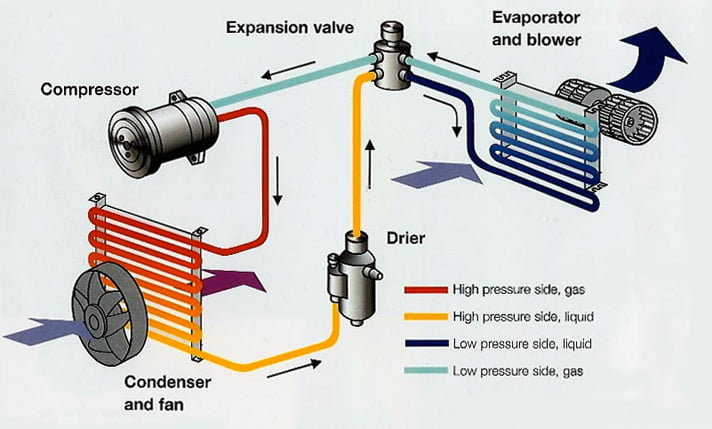
Car air conditioners use several basic componentsto cool the air inside. The main parts include the compressor, condenser, expansion valve, and evaporator. These parts work together to move a special gas called refrigerantthrough the system.
The compressorsqueezes the refrigerant gas, making it hot and high-pressure. It then moves to the condenser, which cools the gas and turns it into a liquid. Next, the liquid passes through the expansion valve, where it becomes cold and low-pressure.
The cold refrigerant moves to the evaporator. Here, it absorbs heat from the car’s air. This process cools the air, which is then blown into the car. The refrigerant turns back into gas and returns to the compressor to start again.
Role Of Refrigerant In Car Ac
A refrigerantis a special fluid used in car air conditioners. It helps take heat from inside the car and release it outside. This process makes the car cool. Refrigerants change from liquid to gas and back, carrying heat along the way.
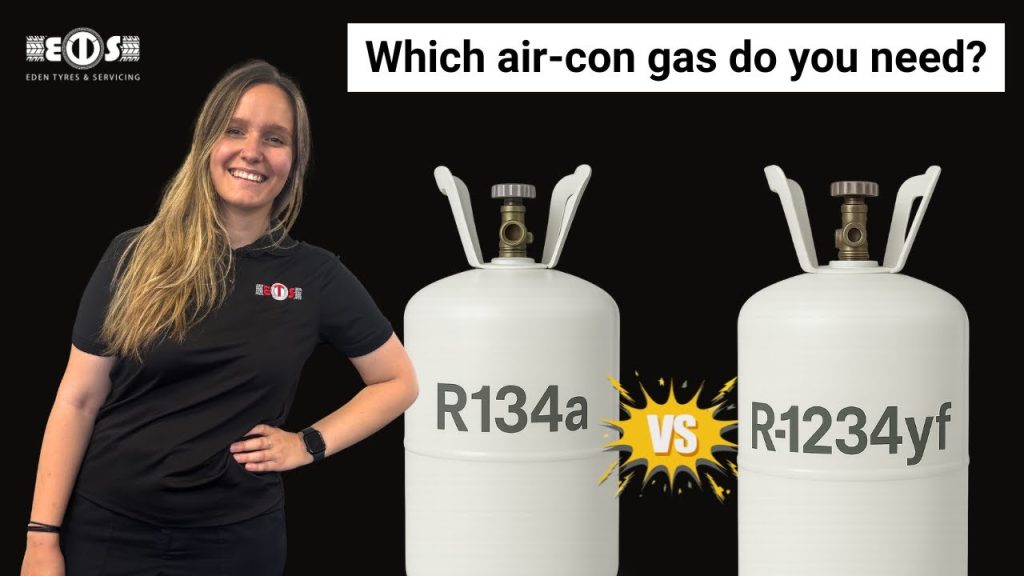
Different types of refrigerantsare used in car AC systems. Each type has its own features and impact on the environment.
| Type of Refrigerant | Description | Environmental Impact |
|---|---|---|
| R-12 | Old type, very effective but harms ozone layer | High ozone depletion potential |
| R-134a | Common in many cars, less harmful to ozone | Low ozone depletion, moderate global warming potential |
| R-1234yf | Newer and more eco-friendly refrigerant | Very low global warming potential |
Gas Vs Fuel: What Powers The Ac?
The air conditionerin a car does not use gasolineor fuel directly. Instead, it runs on a special fluid called refrigerant. This refrigerant moves inside the AC system and helps cool the air.
Gasoline powers the engine, which then powers the AC compressor. The compressor squeezes the refrigerant, making it cold. This cold refrigerant cools the air inside the car.
| Gas (Fuel) | Refrigerant |
|---|---|
| Powers the engine | Cools the air |
| Burned to create energy | Circulates inside AC system |
| Found in fuel tank | Found in AC pipes and compressor |
- AC does not burn fuel directly.
- Engine fuel powers the compressor that moves refrigerant.
- Refrigerant absorbs heat to cool the air.
Credit: www.hdaccondenser.com
Common Misconceptions About Car Ac
Many people think the car AC uses gasdirectly. This is not true. The AC system runs on electrical powerfrom the car’s engine. It cools the air using a chemical called refrigerant, not fuel.
Some believe using AC makes the car consume a lot more fuel. The engine does work harder, but the extra fuel used is usually small. Driving with windows down at high speed can use more fuel than AC.
Concerns about the AC’s environmental impactoften focus on the refrigerant gas. Modern cars use gases with lower harmto the environment. Still, leaks can affect the air. Proper maintenance helps reduce this risk.
Maintaining Your Car’s Air Conditioner
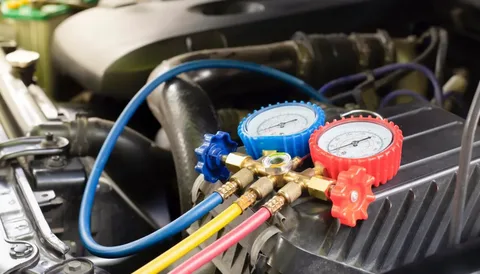
Signs of refrigerant leaksinclude weak cooling and strange noises. The air may smell sweet or oily. You might see oil stains near AC parts. These signs mean the refrigerant gas is escaping. Low gas levels reduce cooling power and can harm the system.
Regular servicinghelps keep the AC working well. Check refrigerant levels often. Clean or replace the cabin air filter. Inspect hoses and connections for cracks or damage. Run the AC regularly, even in winter, to keep parts moving. A well-maintained AC saves money and keeps you cool.
Credit: www.familyhandyman.com
Credit: wefixautoservices.com
Frequently Asked Questions
Does Car Ac Affect Fuel Consumption?
Yes, the car’s air conditioner affects fuel consumption. It uses energy from the engine to operate, leading to increased fuel use. The load on the engine rises when the AC is on, which decreases fuel efficiency. This is more noticeable at low speeds or in stop-and-go traffic.
How Does Car Ac Use Gas?
The car’s air conditioner uses gas indirectly. It requires power from the engine, which runs on gas. This means that while the AC doesn’t use gasoline directly, it increases the engine’s workload. Consequently, this results in higher fuel consumption overall when the AC is operating.
Can Using Car Ac Drain The Battery?
Yes, using the car’s AC can drain the battery if the engine is off. The AC requires electrical power to function, which can deplete the battery when the engine is not running. It’s advisable to use the AC sparingly with the engine off to avoid battery drain.
Is It More Efficient To Drive With Windows Down?
Driving with windows down can be more efficient at lower speeds. However, at higher speeds, open windows create drag, leading to increased fuel consumption. In contrast, using the AC at highway speeds can be more efficient than driving with windows down, due to reduced aerodynamic drag.
Conclusion
A car’s air conditioner does not use gas like the engine. It runs on electricity from the car’s battery and compressor. This system cools the air without burning fuel. So, it does not directly affect your car’s gas mileage. Keep the AC well maintained for best performance.
This helps your car stay cool and comfortable. Understanding this can help you use your AC wisely. It saves energy and keeps your drives pleasant.