Are you worried about your electricity bill soaring every time you turn on the air conditioner? You’re not alone.
Many people wonder if using an air conditioner drains a lot of power and costs more than it’s worth. Understanding how much electricity your AC actually uses can help you make smarter choices and save money. Keep reading to discover the truth about your air conditioner’s energy use and learn simple tips to keep your home cool without breaking the bank.
How Air Conditioners Consume Electricity
Air conditioners use electricity to cool indoor spaces. They remove heat from the air inside and send it outside.
The amount of electricity used depends on how the air conditioner works and its size.
Basic Working Principle
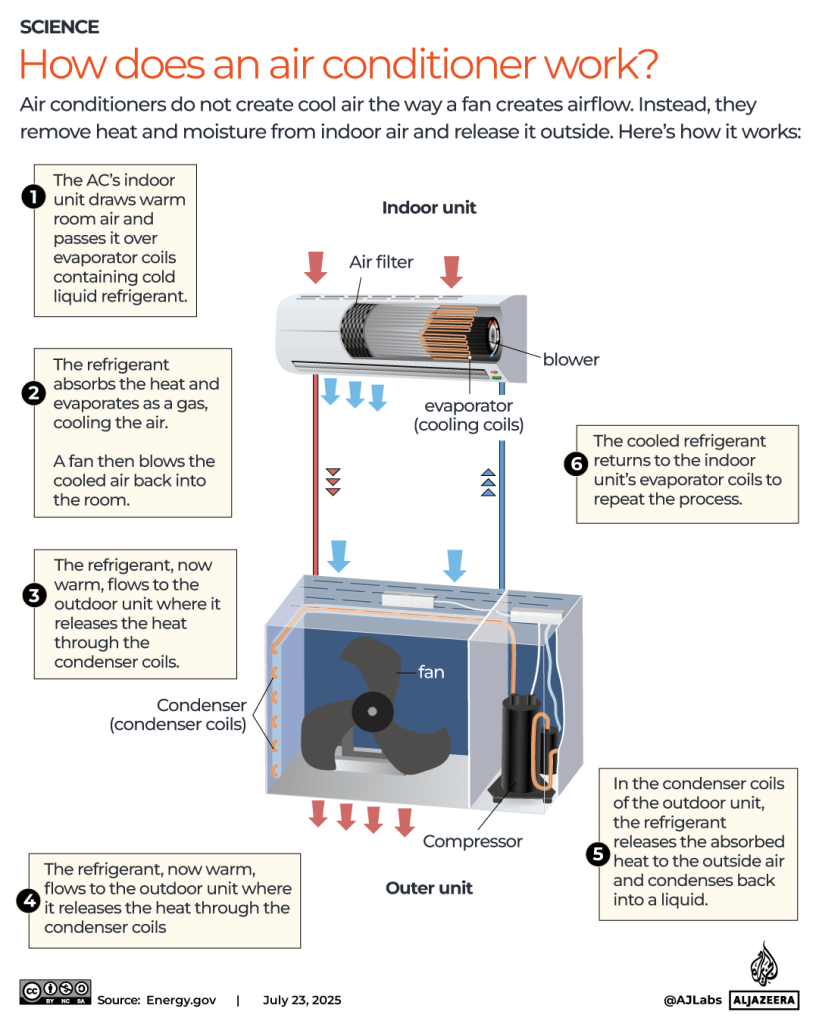
An air conditioner uses a refrigeration cycle to cool the air. It has four main parts: compressor, condenser, expansion valve, and evaporator.
The compressor pumps refrigerant gas, which absorbs heat from inside the room. The heat moves outside through the condenser. Then, the cooled refrigerant returns inside to cool the air.
Energy Consumption Factors
Several factors affect how much electricity an air conditioner uses:
- Size of the air conditioner
- Room size and insulation
- Temperature settings
- Usage time per day
- Energy efficiency rating
Types Of Air Conditioners And Usage
| Type | Typical Use | Electricity Use |
|---|---|---|
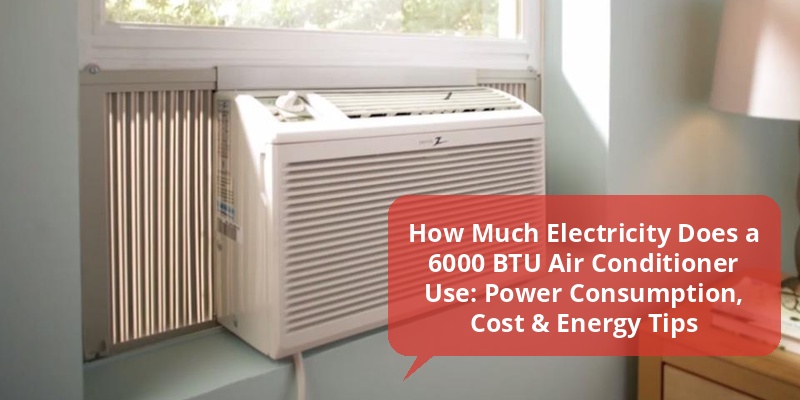
| Window AC | Small rooms | Moderate |
| Split AC | Medium to large rooms | Efficient |
| Central AC | Whole house | High |
| Portable AC | Temporary cooling | Variable |
Comparing Air Conditioner Energy Use
Air conditioners cool our homes but use electricity. It is important to know how much energy they use. This helps manage electricity bills.
This article compares air conditioner energy use with other devices. It also explains types of ACs and how size affects energy use.
Ac Vs Other Household Appliances
Air conditioners often use more electricity than many home appliances. Fans, lights, and TVs use less power. But ACs cool large areas and run longer.
| Appliance | Average Power Use (Watts) | Typical Usage (Hours/Day) | Daily Energy Use (kWh) |
| Air Conditioner | 1500 | 8 | 12 |
| Refrigerator | 150 | 24 | 3.6 |
| Ceiling Fan | 75 | 10 | 0.75 |
| LED Light | 10 | 6 | 0.06 |
Window Vs Split Ac Energy Efficiency
Window ACs and split ACs have different energy efficiency levels. Split ACs usually save more electricity. They cool better and are quieter.
- Window ACs are cheaper but less efficient.
- Split ACs have separate units for indoor and outdoor cooling.
- Split ACs often have better temperature control.
- Window ACs can waste more energy in hot weather.
Impact Of Ac Size On Electricity Use
The size of an air conditioner affects electricity use. A bigger AC uses more power but cools faster. A small AC may run longer and use more energy overall.
- Choose the right size for the room to save energy.
- An oversized AC cycles on and off often, wasting power.
- An undersized AC runs constantly, raising electricity use.
- Professional advice helps find the correct AC size.
Common Myths About Ac Electricity Use
Many people wonder if air conditioners use a lot of electricity. Some common ideas about AC power use are not true. Let’s clear up these myths.
Understanding how your AC works can help you save energy and money.
Does Turning Ac On And Off Waste Power?
Some think that turning the AC on and off wastes more electricity than leaving it running. This is not true. The AC uses energy mainly when cooling the air, not when starting up.
It is better to turn off the AC when you do not need it. Leaving it on all day uses more power.
Effect Of Temperature Settings
Setting your AC to a very low temperature does not cool the room faster. The AC cools at the same speed regardless of the setting.
- Lower temperatures make the AC run longer.
- Higher temperatures reduce electricity use.
- Setting the thermostat to 24-26°C is often best.
Role Of Insulation And Room Size
Good insulation helps keep the cool air inside. Poor insulation makes the AC work harder and use more power.
| Factor | Effect on AC Electricity Use |
| Good Insulation | Lower power consumption |
| Poor Insulation | Higher power consumption |
| Small Room | Less energy needed |
| Large Room | More energy needed |

Credit: www.aljazeera.com
Tips To Reduce Ac Electricity Bills
Air conditioners cool our homes but can use a lot of electricity. This can lead to high bills in summer.
There are simple ways to lower your AC power use and save money every month.
Optimal Temperature Settings
Setting your AC at the right temperature helps reduce power use. Too cold settings make the AC work harder.
Keep your AC at a comfortable but not very low temperature to save energy and money.
- Set thermostat to around 24-26°C (75-78°F)
- Avoid lowering temperature more than needed
- Use fans to help spread cool air
Regular Maintenance Benefits
Cleaning and checking your AC regularly keeps it running well. Dirty parts make it work harder and use more power.
Replace filters and clear debris to keep airflow good and energy use low.
- Clean or replace air filters every 1-3 months
- Check and clean the coils and fins
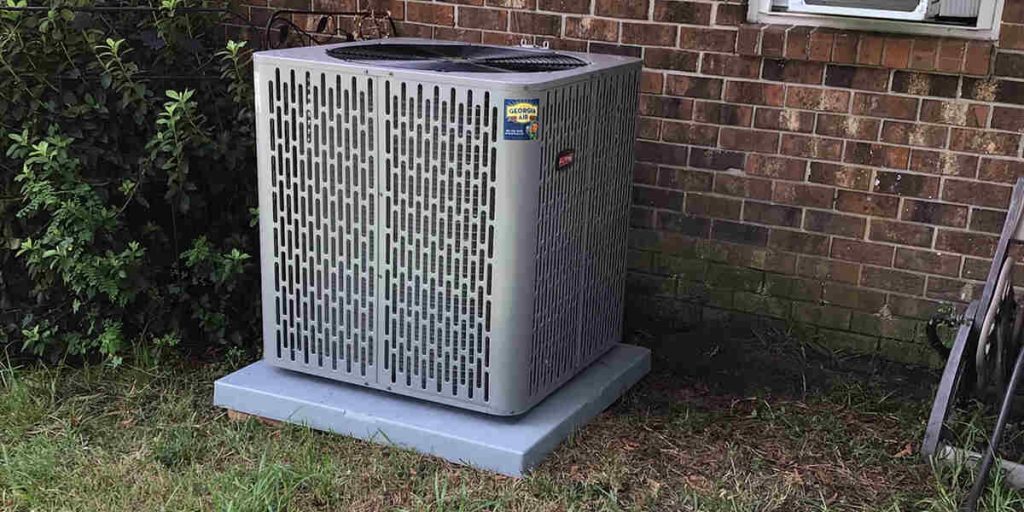
- Remove leaves and dirt from outdoor units
- Schedule professional check-ups yearly
Using Energy-efficient Models
Newer air conditioners use less electricity. Look for models with energy-saving features.
Energy-efficient ACs cost less to run and help cut your bills over time.
- Check for Energy Star or similar ratings
- Choose the right size AC for your room
- Look for inverter technology models
Smart Usage Practices
Using your AC smartly helps save power. Avoid running it all day if you don’t need to.
Use timers, close windows, and keep doors shut to keep the cool air inside.
- Use programmable timers to run AC only when needed
- Keep doors and windows closed when AC is on
- Close curtains or blinds to block sunlight
- Turn off AC when you leave the room
Future Trends In Ac Energy Efficiency
Air conditioners use a lot of electricity now. New trends aim to cut this energy use. These changes help save money and the environment.
We will look at new cooling technology, renewable energy use, and rules that support efficient ACs. These areas show how ACs will get better in the future.
Innovations In Cooling Technology
New cooling methods use less power and cool rooms faster. Smart sensors adjust cooling based on room use. Some systems recycle heat to save energy.
- Variable-speed compressors reduce power waste.
- Advanced refrigerants lower environmental harm.
- Smart thermostats learn and adapt to user habits.
- Improved insulation in AC units keeps cool air inside.
Renewable Energy Integration
Using solar or wind power cuts electricity costs for running ACs. Some homes have solar panels that work with their cooling systems. This lowers the carbon footprint.
| Energy Source | Benefit | Example |
| Solar Power | Clean and abundant | Solar panels powering AC units |
| Wind Energy | Renewable and reliable | Wind farms supplying electricity for cooling |
| Geothermal | Stable temperature source | Ground-source heat pumps for AC |
Government Regulations And Incentives
Governments set rules to limit AC energy use. They offer rewards to buyers of efficient models. These rules help reduce overall electricity demand.
- Minimum efficiency standards for new AC units.
- Tax credits for purchasing energy-saving models.
- Rebates for installing smart cooling systems.
- Public awareness programs on energy use.
Credit: northnjhvac.com
Credit: www.georgiaairrepair.com
Frequently Asked Questions
How Much Electricity Does An Air Conditioner Use?
Air conditioners use between 500 to 1500 watts per hour, depending on size and efficiency. Usage varies with model and settings.
What Factors Affect An Ac’s Electricity Consumption?
Electricity use depends on unit size, temperature setting, insulation, and usage duration. Higher settings and poor insulation increase consumption.
Can Energy-efficient Ac Units Save Electricity?
Yes, energy-efficient ACs use advanced technology to reduce power consumption. They often have Energy Star ratings, lowering electricity bills.
Does Running Ac Continuously Use More Electricity?
Running an AC nonstop uses more electricity than intermittent use. However, frequent cycling can also increase power usage.
Conclusion
Air conditioners can increase electricity bills. But smart choices help manage costs. Choose energy-efficient models. Keep your AC well-maintained for better performance. Regular cleaning and servicing save energy. Use your AC wisely. Set a comfortable temperature, not too low. Close doors and windows when the AC is on.
Fans can help circulate cool air. These simple steps reduce electricity use. You stay cool without high bills. Remember, smart use matters. Save energy, save money, stay comfortable.