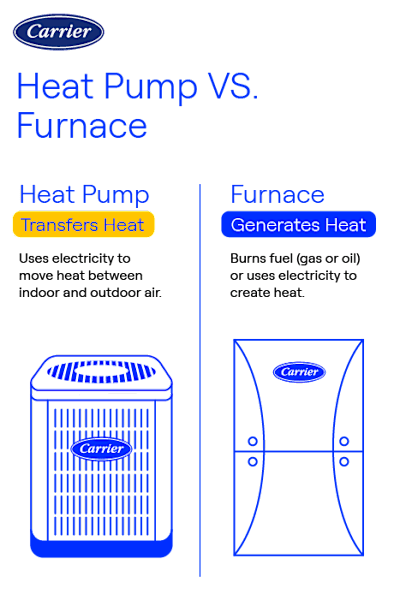
Have you ever wondered if your air conditioner is wasting gas? You might be surprised by how much energy and money could be slipping away without you even noticing.
Understanding how your AC works and whether it impacts your gas usage can help you save on bills and keep your home comfortable. Keep reading to find out the truth about air conditioners and gas waste—and learn simple tips that could make a big difference for your wallet.
Credit: www.ehpa.org
How Air Conditioners Use Gas
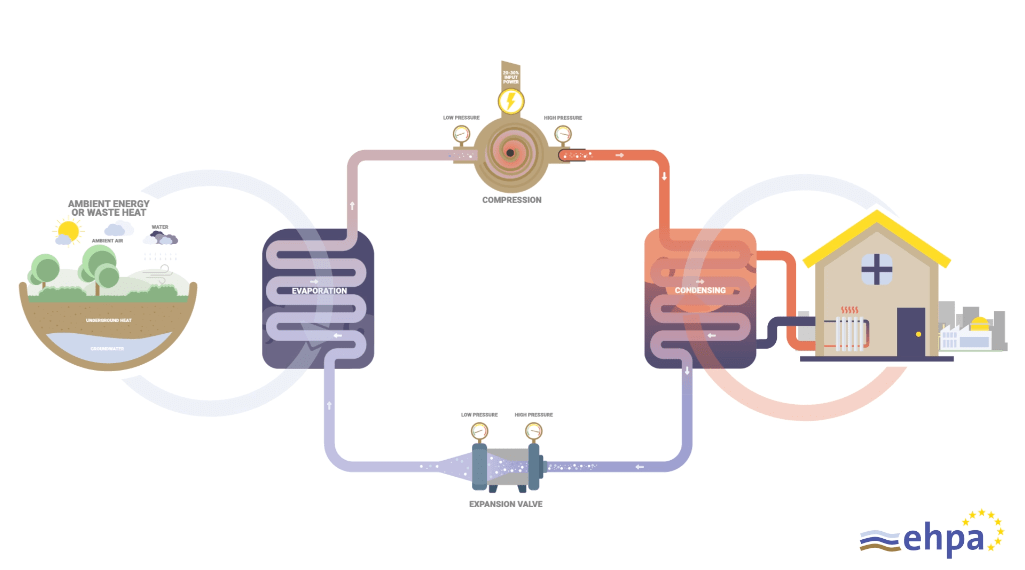
Air conditioners use special gases called refrigerantsto cool air. These gases absorb heat from inside your home and release it outside. This process keeps the indoor air cool and fresh.
There are different types of refrigerantsused in air conditioners. Some common ones include:
- R-22:Older and less eco-friendly gas.
- R-410A:Newer and safer for the environment.
- R-32:More efficient and gaining popularity.
Gas plays a key role in the cooling process. It changes from liquid to gas and back, carrying heat away. This cycle repeats to keep your room cool. Without gas, an air conditioner cannot work.
Credit: www.greenbuildermedia.com
Common Misconceptions About Gas Waste
Air conditionersdo not waste gas during normal use. The gas inside, called refrigerant, is sealed tightly. It moves in a closed loop to cool air. Any loss of gas means a leak, which is bad and needs fixing.
Leakscan cause the AC to cool less and use more energy. Regular checks help catch leaks early. Normal operation uses the gas efficiently without wasting it.
- Myth:ACs use a lot of gas like cars use fuel.
Fact:The refrigerant stays inside the AC system. - Myth:Gas escapes every time the AC runs.
Fact:Gas only escapes if there is a leak. - Myth:Running the AC wastes gas even when off.
Fact:Gas does not leak if the system is closed properly.
Causes Of Gas Leakage
Gas leakage in air conditioners happens due to several reasons. Wear and tear in partscauses small cracks or holes. These let the gas escape slowly. Parts like pipes and valves often get old and weak.
Improper installationalso leads to gas leaks. If the system is not set up correctly, connections might be loose. This creates gaps where gas can leak out.
Lack of maintenanceis a common cause too. Dirt and dust block parts and make the system work harder. Over time, this wears down components, causing leaks. Regular check-ups can catch problems early.
Environmental Impact Of Gas Leakage
Air conditioners can leak gases called refrigerants. These gases are powerful greenhouse gases. They trap heat in the atmosphere and make the Earth warmer.
Some refrigerants also harm the ozone layer. The ozone layer protects us from the sun’s strong rays. When it gets damaged, more harmful rays reach the Earth.
| Impact | Description |
|---|---|
| Greenhouse Gas Emissions | Refrigerants trap heat, increasing global warming. |
| Effect on Ozone Layer | Some gases break down ozone, reducing protection from UV rays. |
Signs Your Ac Is Wasting Gas
Reduced cooling efficiencyis a common sign that your AC may be wasting gas. The unit struggles to reach the desired temperature quickly. This happens because the refrigerant level is low or leaking. The cold air output feels weak or warm at times. This causes discomfort and longer running times.
Unusual noiseslike hissing or bubbling can mean gas leaks. These sounds come from escaping refrigerant or pressure issues. Strange noises also indicate worn parts or blockages inside the system. Ignoring these signs can lead to bigger problems.
Increased energy billshappen when the AC works harder to cool your space. Gas leaks make the system less efficient. The compressor runs longer, using more electricity. This extra cost is a clear warning that the AC needs checking and repair.
Credit: www.furnaceprices.ca
Preventing Gas Waste In Air Conditioners
Regular servicing keeps the air conditioner working well. It stops gas leaks and saves energy. A clean system cools better and uses less gas. Check filters and pipes often to avoid waste.
Proper installation is key to prevent gas loss. Place the unit in a shaded, open area. Avoid tight spaces that block airflow. Use correct piping and seals to keep gas inside.
| Eco-Friendly Refrigerants | Benefits |
|---|---|
| R-32 | Less harmful to the environment, uses less gas |
| R-410A | Good cooling, safer for the ozone layer |
| R-134a | Common, but higher global warming potential |
Choosing eco-friendly refrigerants helps reduce gas waste. It protects the planet and keeps your air conditioner efficient.
What To Do If Your Ac Is Leaking Gas
Leaking gas in an air conditioner is a serious problem. Professional repairis the safest choice. Experts can find the leak and fix it properly. They use special tools to check the system.
Safety precautionsare very important. Avoid touching or smelling the gas. Turn off the AC and open windows for fresh air. Keep children and pets away from the unit.
Sometimes, repairing is not enough. Replacing the unitmay be needed if the AC is old or damaged badly. New units use less gas and save energy. This can be a good investment for long-term comfort.
Frequently Asked Questions
Does An Air Conditioner Use Gas For Cooling?
No, most air conditioners use electricity, not gas, to power the cooling process. Refrigerants inside the unit absorb heat, cooling the air efficiently without burning gas.
Can An Ac Leak Gas And Cause Waste?
Yes, AC units can leak refrigerant gas if damaged or poorly maintained. This leak reduces efficiency and harms the environment, so timely repairs are essential.
How Does An Air Conditioner Impact Gas Consumption?
Air conditioners do not consume gas directly. However, if your home heating uses gas, inefficient cooling may increase overall energy use, indirectly affecting gas bills.
Is Refrigerant Gas Wasted In Air Conditioning?
Refrigerant gas is contained in a closed system and should not be wasted. Leaks or improper handling during maintenance can cause loss and environmental harm.
Conclusion
Air conditioners do affect fuel usage in cars. They increase gas consumption. But they offer comfort in hot weather. Balancing fuel efficiency and comfort is key. Regular maintenance can help. Clean filters and check for leaks. This ensures optimal performance.
Consider using AC wisely. Turn it off when not needed. This saves gas and money. Understanding this can help make smart choices. Enjoy cool rides without wasting too much gas.